
Nightly themed menus at Kenya’s Cottar’s 1920s Camp explore Maasai heritage, conservation, and wildlife
Cottar’s 1920s Camp, located in the private Olderkesi Conservancy in the greater Maasai Mara ecosystem has unveiled a new nightly dining experience that turns every evening into a journey through the flavours, history and ecology of one of Africa’s most extraordinary landscapes.
The camp now offers seven distinct themed dining experiences, each one a different lens on the world beyond the tent. The programmes draw on Maasai tradition, indigenous botany, early safari history, the ecological pressures facing the Maasai Mara, and even the food intelligence of primates - making every dinner as much an act of storytelling as well as giving guests a deeper sense of place.
“We wanted our dining experience to reflect everything that makes this place extraordinary,” said Louise Cottar, CEO and Co-Owner of Cottar’s Safaris. “The Maasai Mara is not just a backdrop - it is an ecosystem, a culture, and a living history. Our menus are designed to bring that world to the table, one course at a time.”
The Seven Dining Experiences
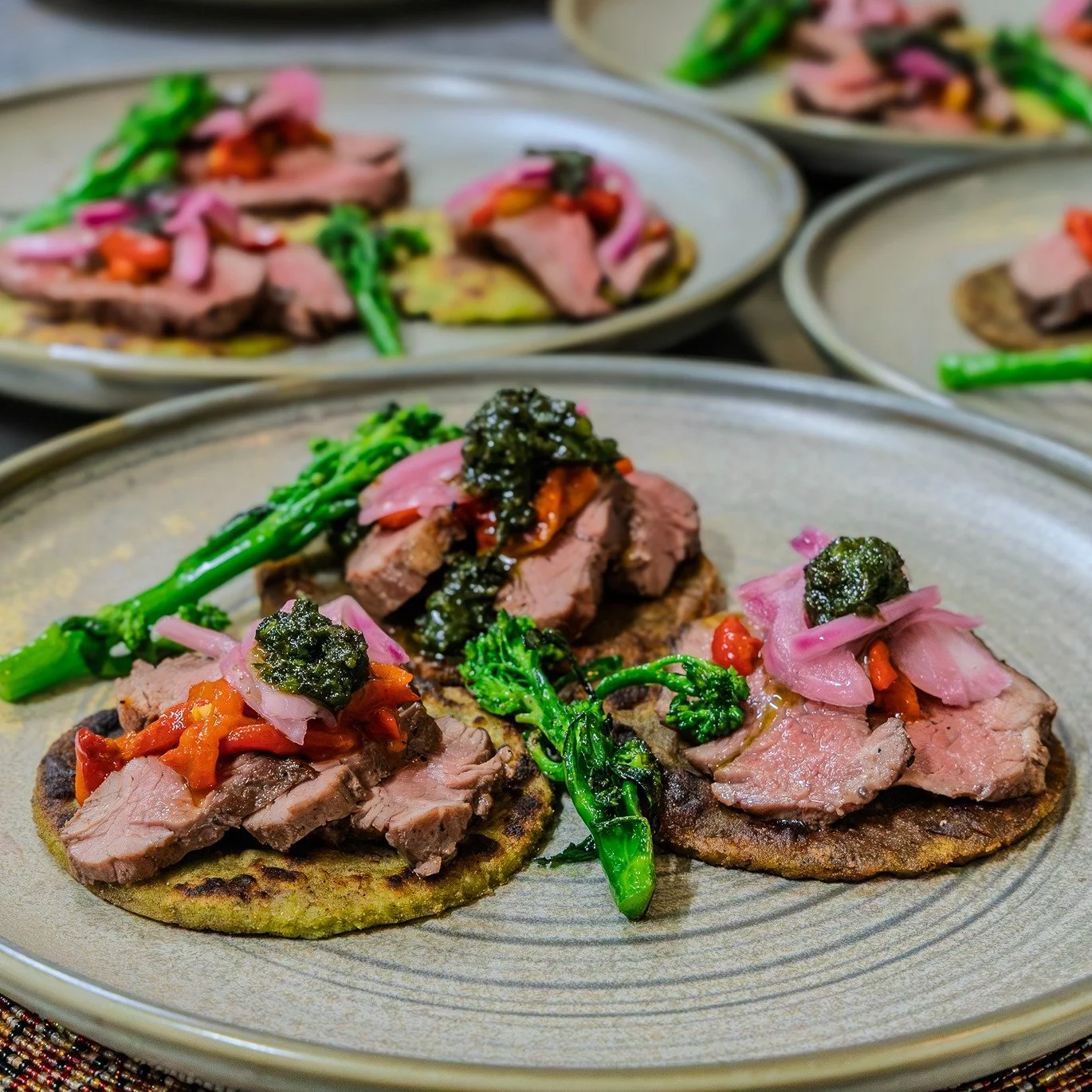
Maasai & Smoke: Honouring the deep bond between the Maasai people, their cattle and the power of fire, this menu opens with whipped goat chèvre, Maasai “killer bee” hot honey and crispy wild basil. The main course features Maasai Wagyu beef tenderloin gently smoked over dried savannah grasses, served with an irio taco and wild herb chimichurri. Dessert reimagines maziwa mala — Kenya’s traditional fermented milk - as a light parfait with fresh passion fruit and sesame tuile.
The Invasive Menu: The Maasai Mara is home to approximately 30 invasive plant species, several of them serious ecological threats. This menu turns that challenge into culinary inspiration. Trumpet mushrooms and Malabar spinach are wrapped with satay; a goat terrine - goats included for their role in grassland degradation - is served with heritage greens, crispy cassava and sour plum sauce; and dessert brings wild nettle cake and wild mint ice cream with pumpkin seed praline.
The Foraged Menu: Every ingredient on this menu has been gathered by hand from the hills, grasslands and woodland around camp. The starter pairs charred cabbage with an essence of Acacia nilotica bark - a tree long valued for its aromatic and medicinal properties. A main of handmade ravioli with wild spinach, foraged sage and mushroom sauce follows, and dessert spotlights the Carissa edulis berry, foraged from the hills behind camp and celebrated as a natural superfood.
The 1920s Menu: Inspired by the original recipes of early Cottar’s expeditions - when safari parties travelled deep into the bush for months with little opportunity for resupply - this menu revives slow-cooked, hearty dishes prepared over open fire in traditional cast iron potjie pots. The centrepiece is a classic ossobuco braised low and slow, served with roast potatoes and chargrilled vegetables, followed by a Pink Gin & Tonic sorbet - a nod to the enduring safari sundowner.
In Competition with Baboons: Rooted in the idea that early humans learned many foraging behaviours from other primates, this menu opens with Tilapia ceviche from Kenya’s Lake Victoria - a nod to the theory that baboons first showed humans how to fish. The main course is Mwea duck with matoke gnocchi and sour plum sauce, reflecting the opportunistic diet of baboons in the wild. Dessert celebrates the fruits and berries that form an important part of primate diets: a gooseberry custard tart with gooseberry sorbet and fresh gooseberries.
BBQ Eve: Inspired by the shared love of open-fire cooking across Kenya and East Africa, this social menu gathers guests around the flames. It opens with charred grapes and creamy camembert, before moving to a spread of barbecue favourites: gochujang chicken, lamb chops, boerewors, and oyster mushroom and cabbage skewers, all served alongside BBQ sweet potato with herby sauce. Dessert is sumac-dusted fire-roasted fruit with yoghurt cream.
Hints of Africa: A menu that draws on the breadth of the continent’s culinary traditions, combining locally sourced ingredients with regional flavour influences. Guests begin with carrot terrine and burnt carrot crumb, before a roast fillet of beef served alongside irio croquettes and kachumbari - East Africa’s vibrant fresh tomato salsa. The evening ends with malva pudding and Amarula butterscotch, finished with chai ice cream - a warm, richly spiced close to the meal.
A Refreshed Mess Tent and New Bush Dining Site
The new menu experience is complemented by two further enhancements to the camp’s dining offering.
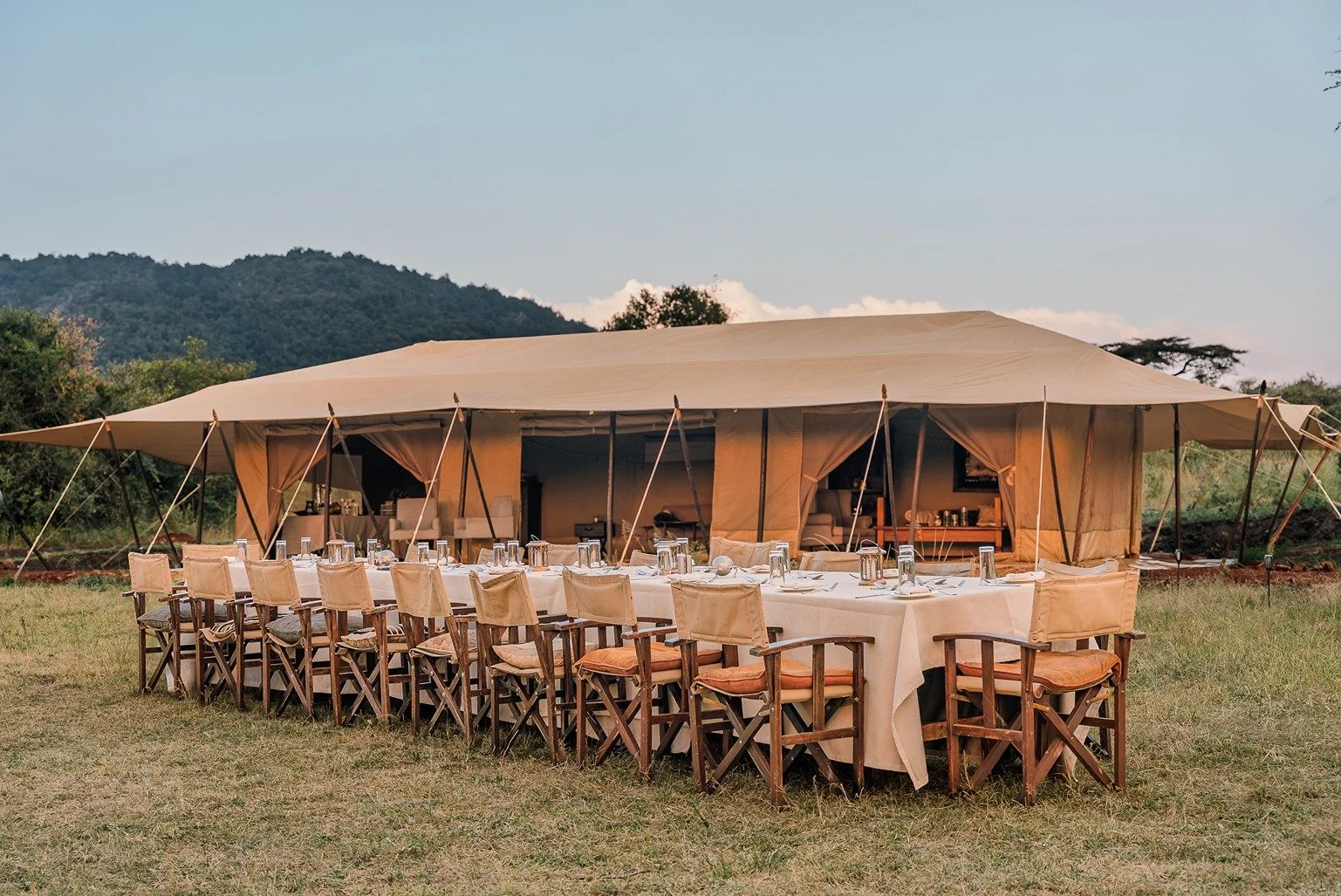
A Refreshed Mess Tent: Cottar's 1920s Camp Mess Tent, the social heart of camp, has been updated. New flooring, a dedicated wine cellar, a new fireplace and an open-air BBQ area have been added, while the space's much-loved character - including its bar, gramophone, and Lunatic Express lighting - has been carefully preserved.
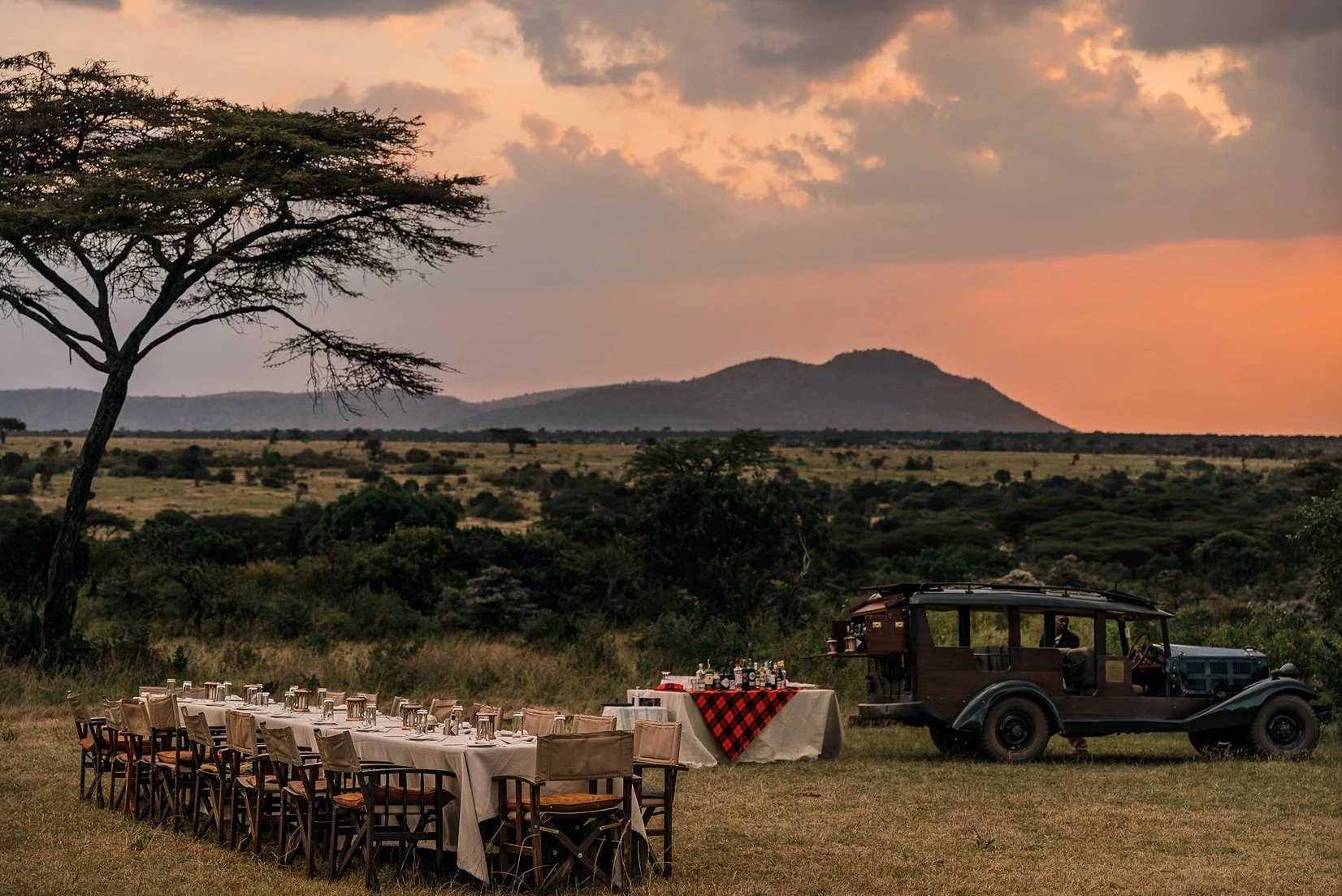
A New Bush Dining Site: Cottar's Safaris has also opened a dedicated bush dining site within the Olderkesi Conservancy, just ten minutes from camp. Available for breakfast after the morning wildlife drive, midday lunch, or dinner under the stars, the site offers an elemental experience: exceptional food served with nothing between guests and the wild landscape. The bush dining experience is included at no extra charge and can be booked in advance - ideal for a romantic evening or a celebratory group dinner.
Cottar’s 1920s Camp is available from $1,150 per person, per night, based on two adults sharing. Full-board accommodation, including house wines, soft drinks, beer and select spirits, Cottar’s Private airstrip transfers, laundry, nanny service (with prior booking), Cottar’s Safaris canvas bush bath. The rate also includes safari activities such as guided wildlife drives, bush walks and runs, Maasai Warrior School, Explorer’s Tent educational visits, stargazing, coffee tasting, cultural and sustainability talks.
For more information: www.cottars.com
