
From Michelin Stars to the High Seas: Inside the Culinary World of Robin Sjöström
Meet the Swedish chef bringing fine-dining precision, global flavours and a love of exceptional ingredients to some of the world’s most extraordinary yachts
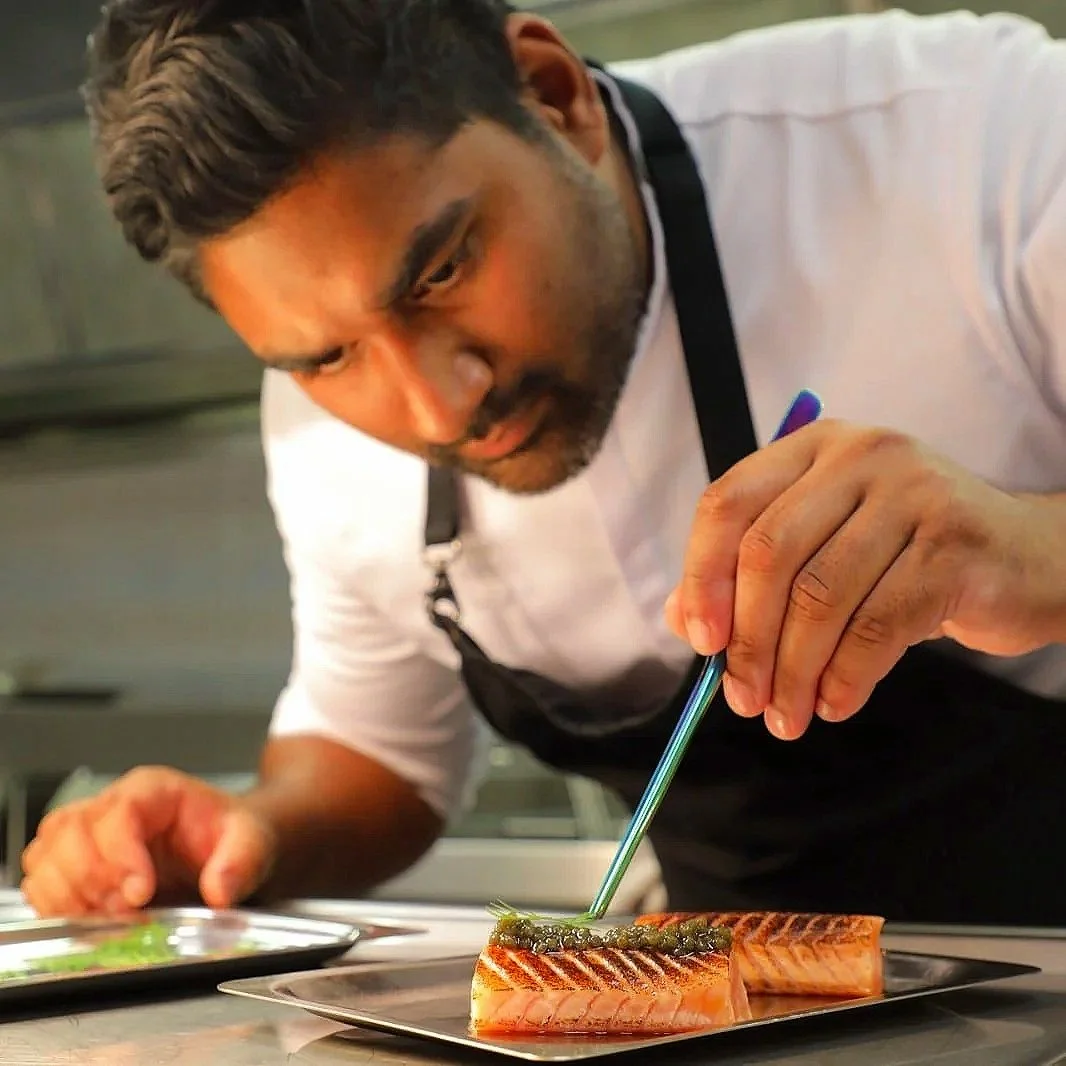
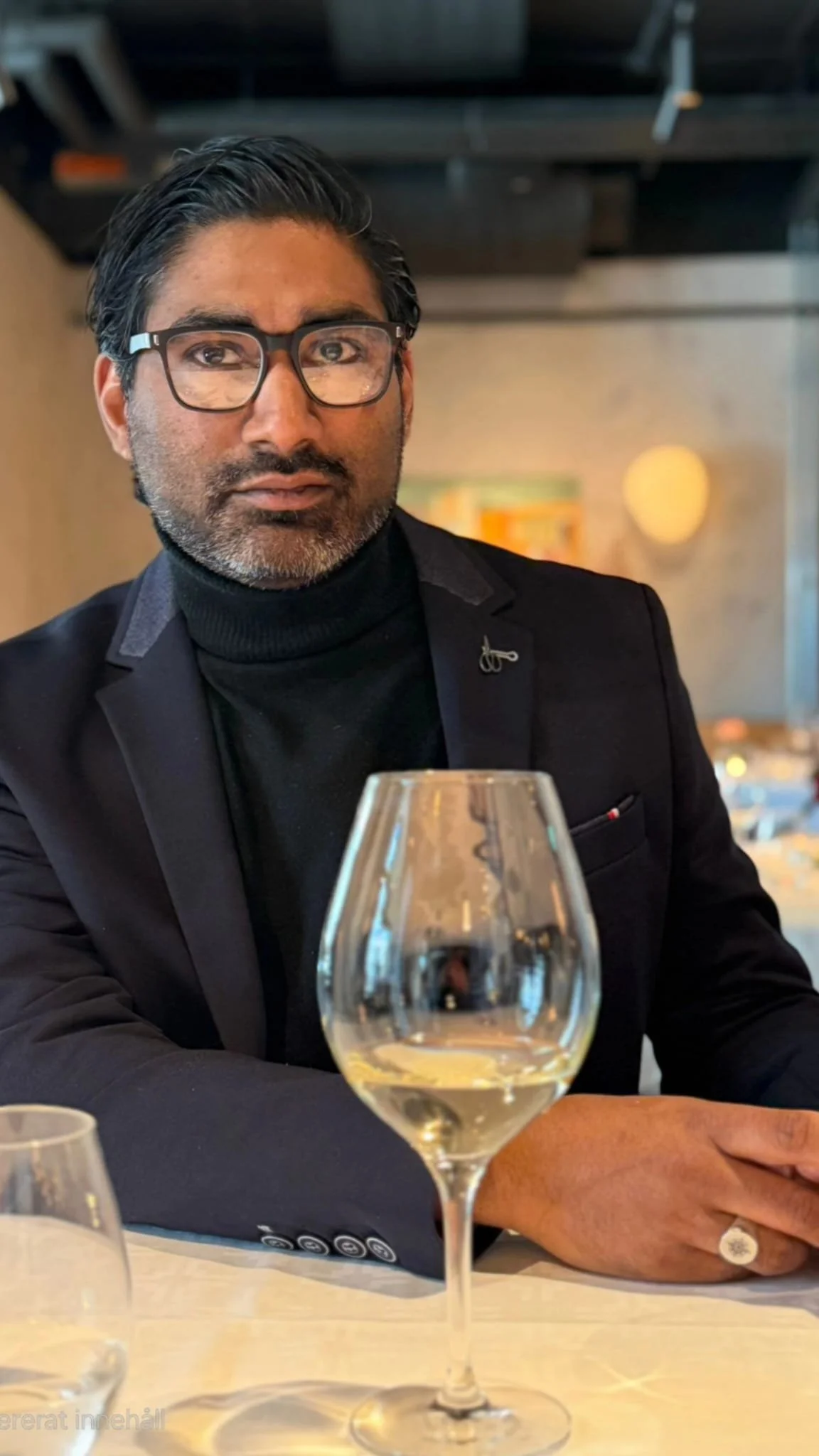
For Swedish chef Robin Sjöström, cooking and travel have always been inseparable. Starting his professional career at just 14 in a Michelin-starred restaurant in Gothenburg, Sweden, Robin went on to work in some of Europe’s most respected kitchens, including The Fat Duck, Gordon Ramsay Restaurant, and Mathias Dahlgren at Stockholm’s Grand Hôtel.
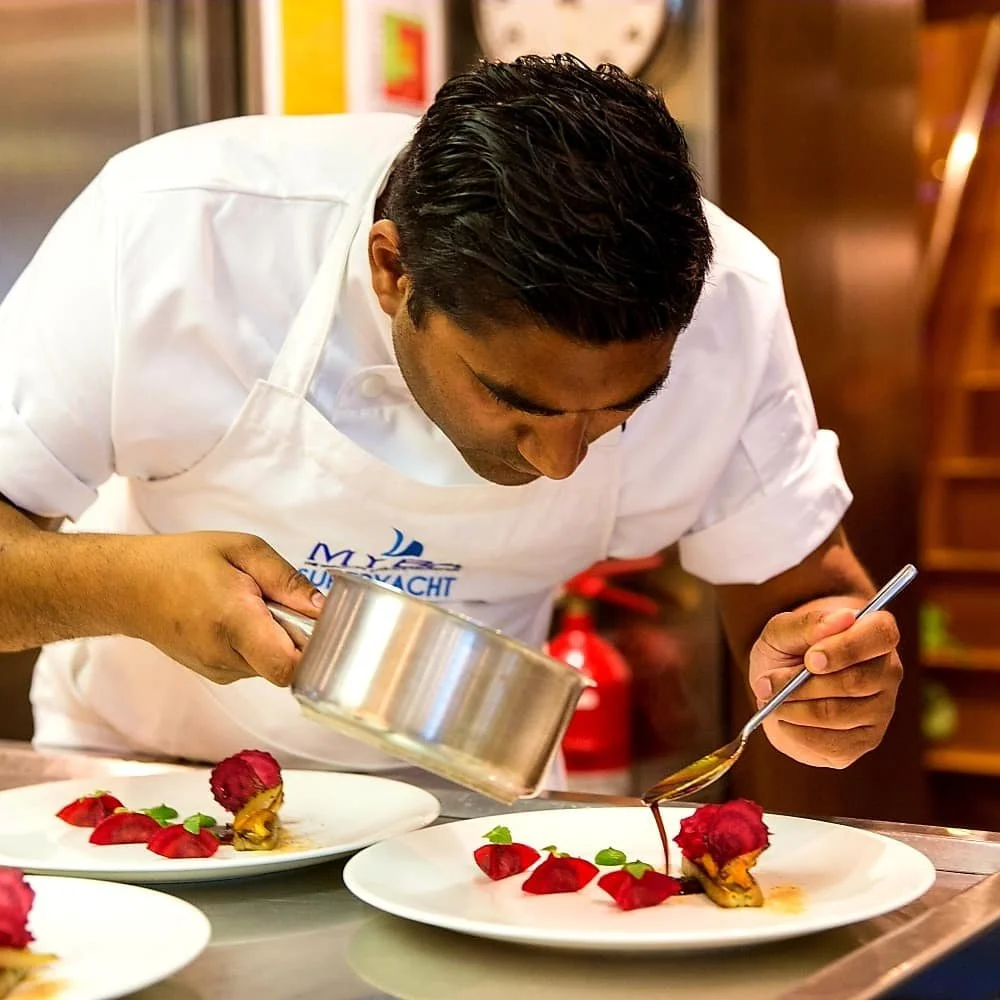
Today, he can be found aboard some of the world’s most luxurious superyachts. Over more than two decades, Robin has cooked his way across the Mediterranean and Caribbean and into some of the most remote destinations, including Antarctica and Patagonia. His culinary repertoire is equally wide-ranging, drawing on Scandinavian, French and Mediterranean traditions alongside Japanese, Thai, Chinese, Vietnamese and Middle Eastern influences. Robin’s philosophy is simple: exceptional ingredients, strong technique, clarity of flavour and, above all, understanding the people you are cooking for.
We caught up with Robin to discover what life is really like as a chef at sea, how remote destinations influence his cooking, why freshly baked bread can be the ultimate luxury, and what he hopes to do next.
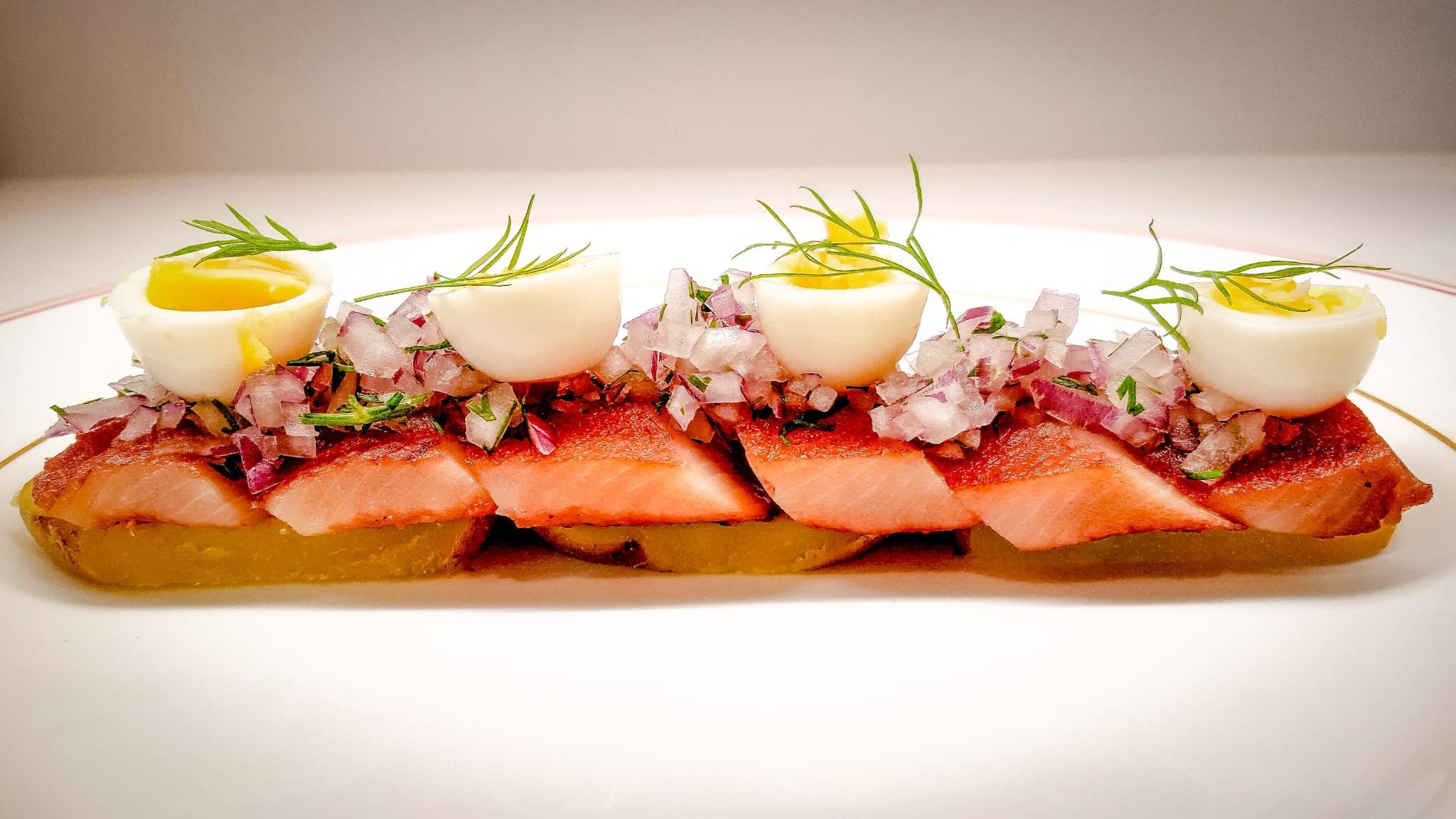
What made you want to become a chef?
I started very young. I was just 14 when I began cooking at Kock & Vin in Gothenburg, a Michelin-starred restaurant where my cousin was the head chef. Being exposed to a Michelin-starred kitchen at that age had a huge impact on me - I was fascinated by the discipline, precision and creativity of a professional kitchen. I loved that you could take relatively simple ingredients and, through technique and attention to detail, turn them into something memorable. Once I experienced that environment, cooking became much more than a job for me, it became the direction I wanted my life to take.
What is it really like being a chef on a luxury yacht? What would surprise people most about the job?
It is probably much more demanding than people imagine. From the outside, you see beautiful yachts travelling to incredible destinations, but behind the scenes there is an enormous amount of work, planning and logistics. As a chef, you need to be incredibly adaptable. Guests might want Japanese for lunch, Mediterranean food for dinner and something completely different the following day. At the same time, you are managing provisioning, dietary requirements, food safety, storage, crew meals and sometimes several galleys.
What might surprise people most is how much of the job happens before you actually start cooking. Organisation and anticipation are everything. On a yacht, you can't simply assume that if you run out of something you can get it tomorrow, especially when you're somewhere like Antarctica or Patagonia.
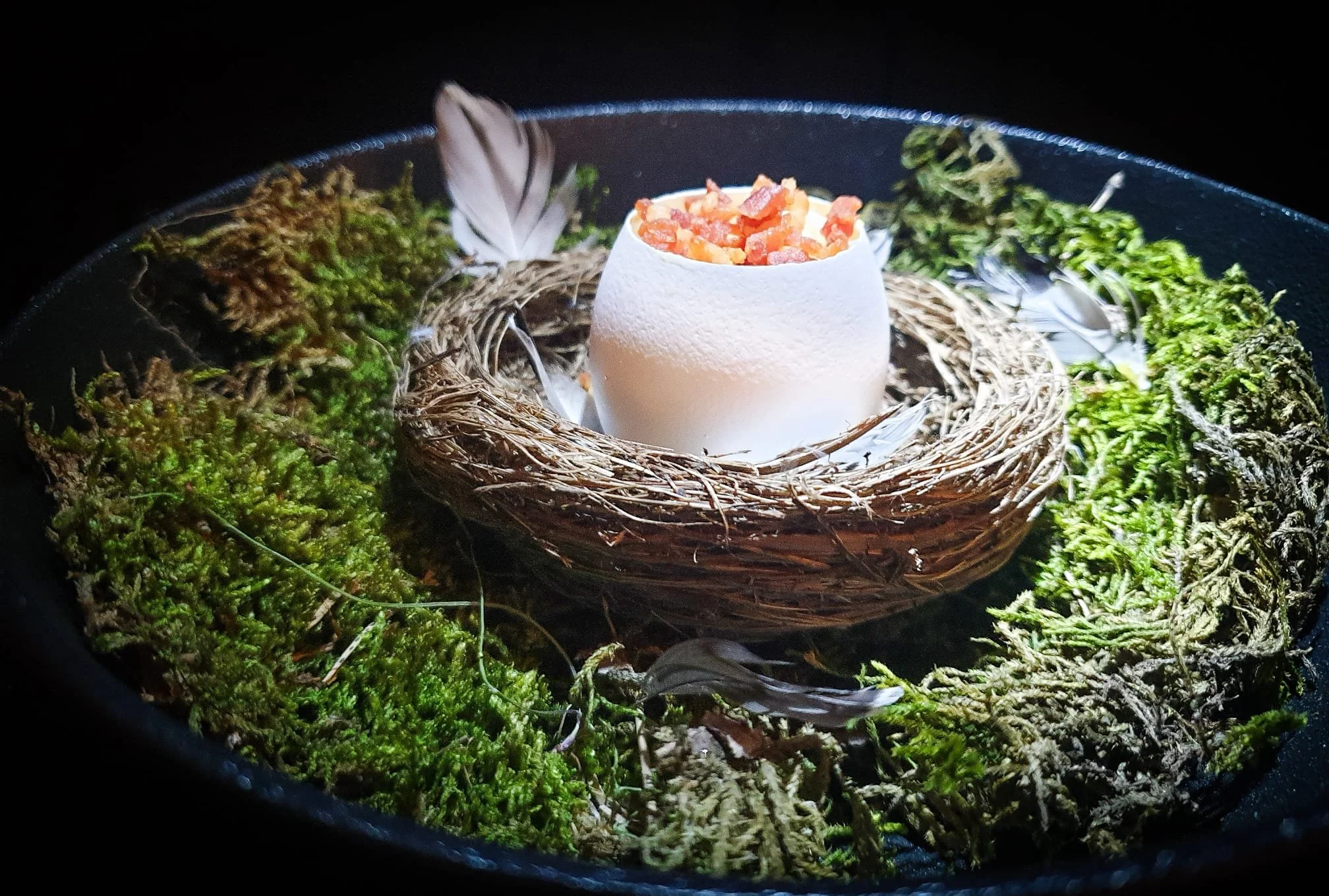
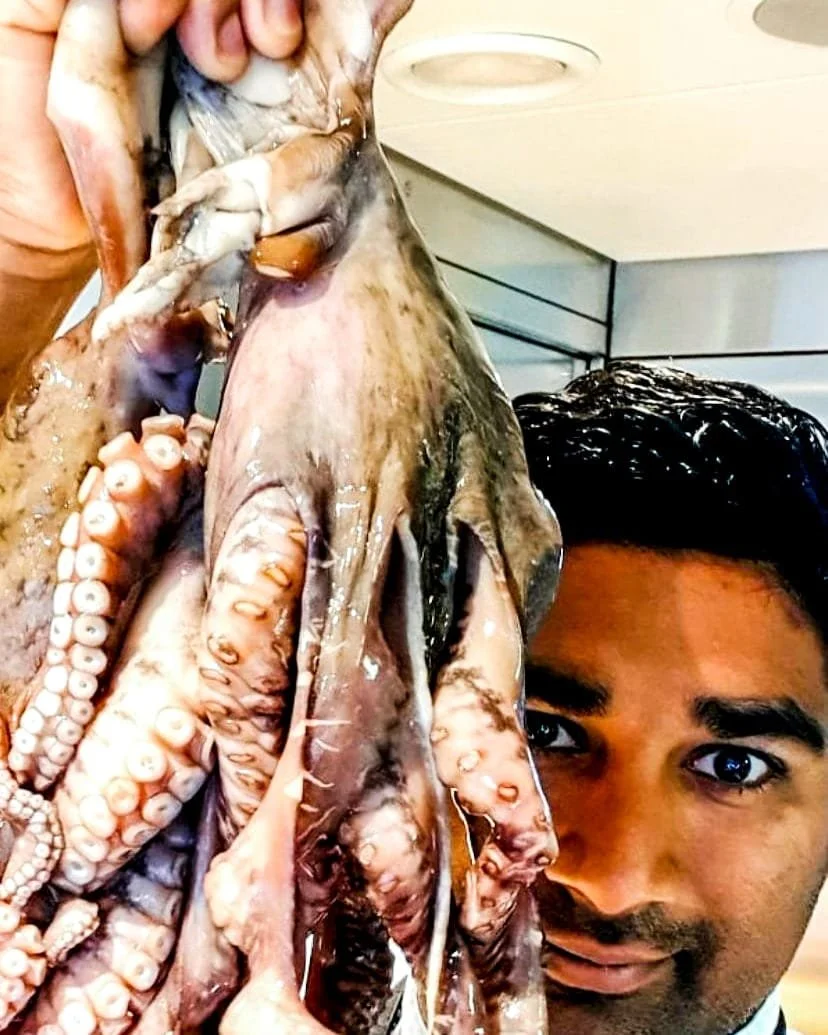
What does a typical day look like for you when you are at sea?
There isn't really a typical day, which is one of the things I enjoy about it. The day revolves around the guests and the programme of the yacht. It starts with checking what is happening that day, looking at menus, preparations, dietary requirements and what needs to be produced for both guests and crew. From there, it can be breakfast service followed almost immediately by preparing lunch, afternoon snacks and dinner. Between services, you're checking provisions, preparing breads, pastries, sauces, fermented products or condiments, organising the galley and planning ahead. On a busy charter, there can be very long days up to 17 hours, so organisation and having a strong team around you is essential.
What are the biggest challenges of cooking in a yacht galley?
Space, movement, logistics and unpredictability. You're cooking at a very high level, but you're doing it in a moving environment with limited storage and sometimes limited access to ingredients. You also need to think much further ahead than you would in a restaurant. When you're cruising somewhere remote, good provisioning becomes just as important as good cooking. You have to understand what will last, what needs to be produced in-house and how to maintain quality even when the nearest specialist supplier may be thousands of kilometres away. That challenge is also part of what makes yacht cooking interesting.
How do you plan menus when travelling between different countries?
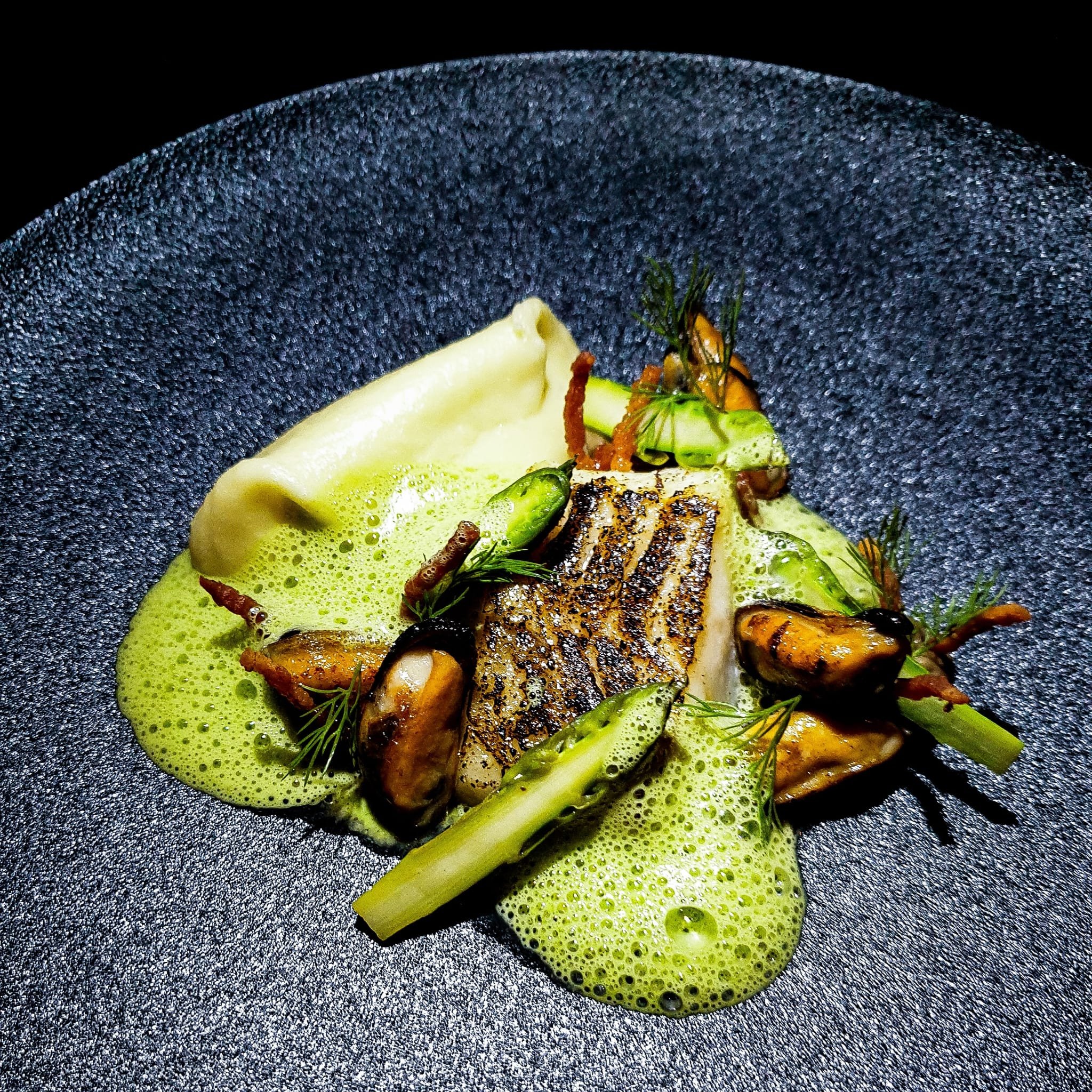
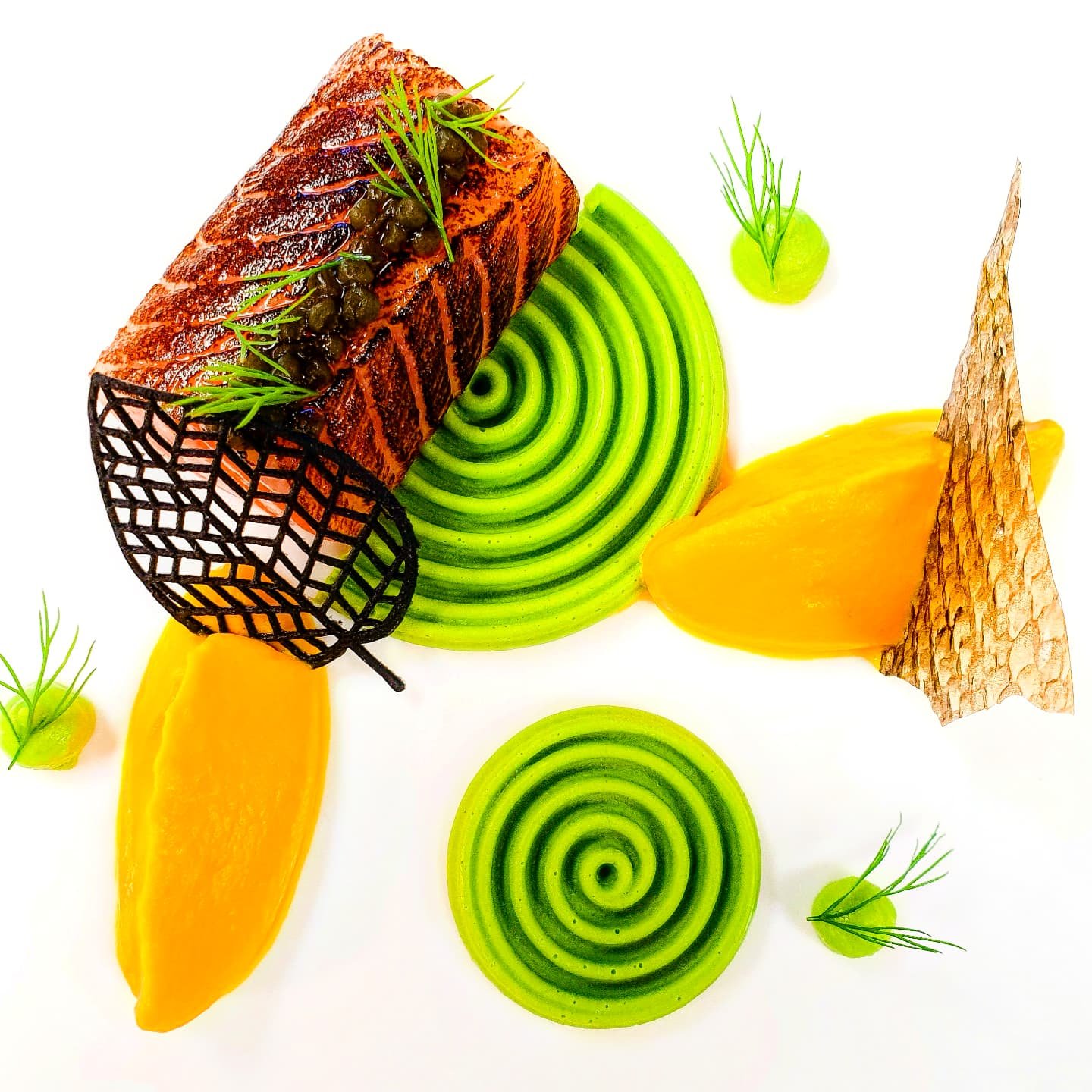
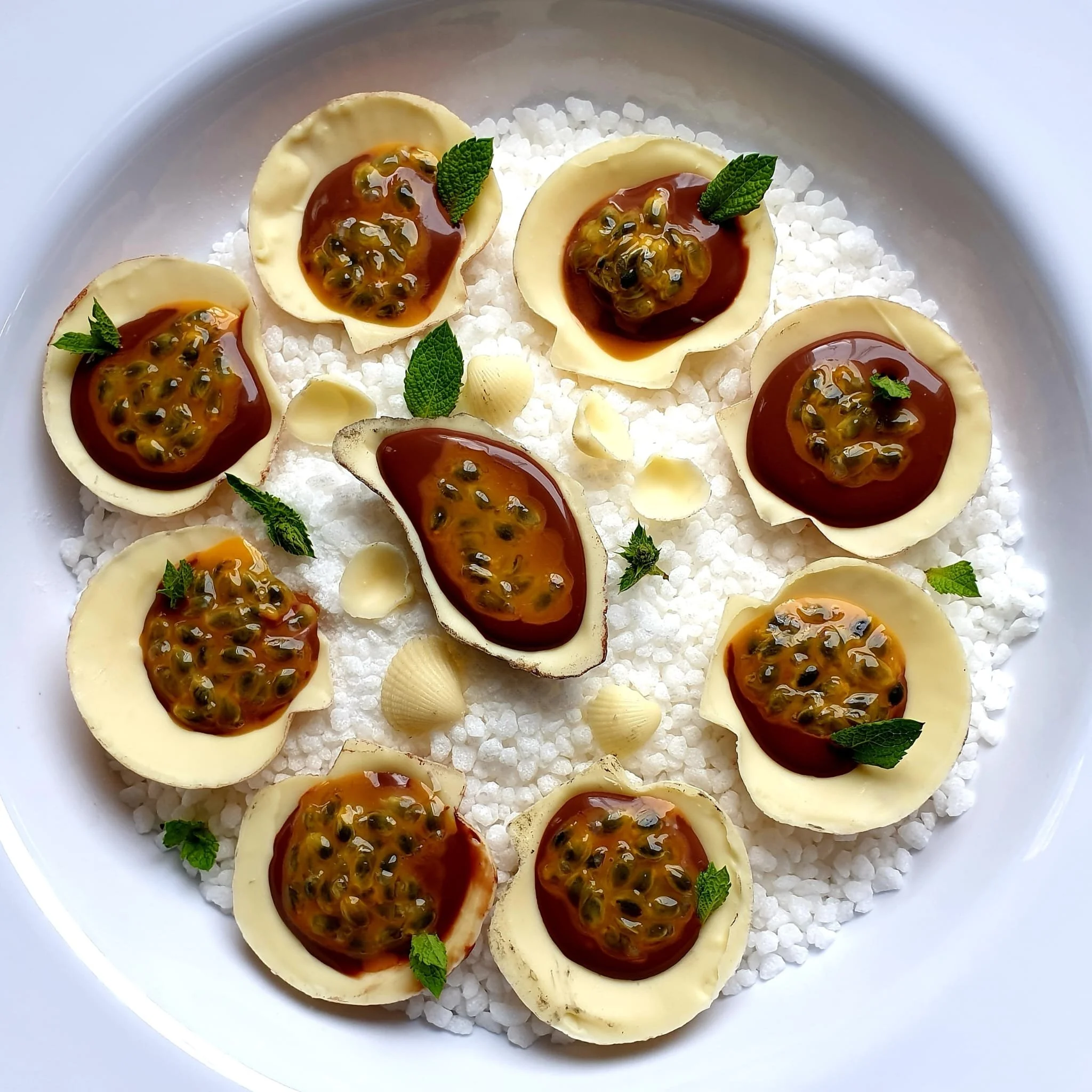
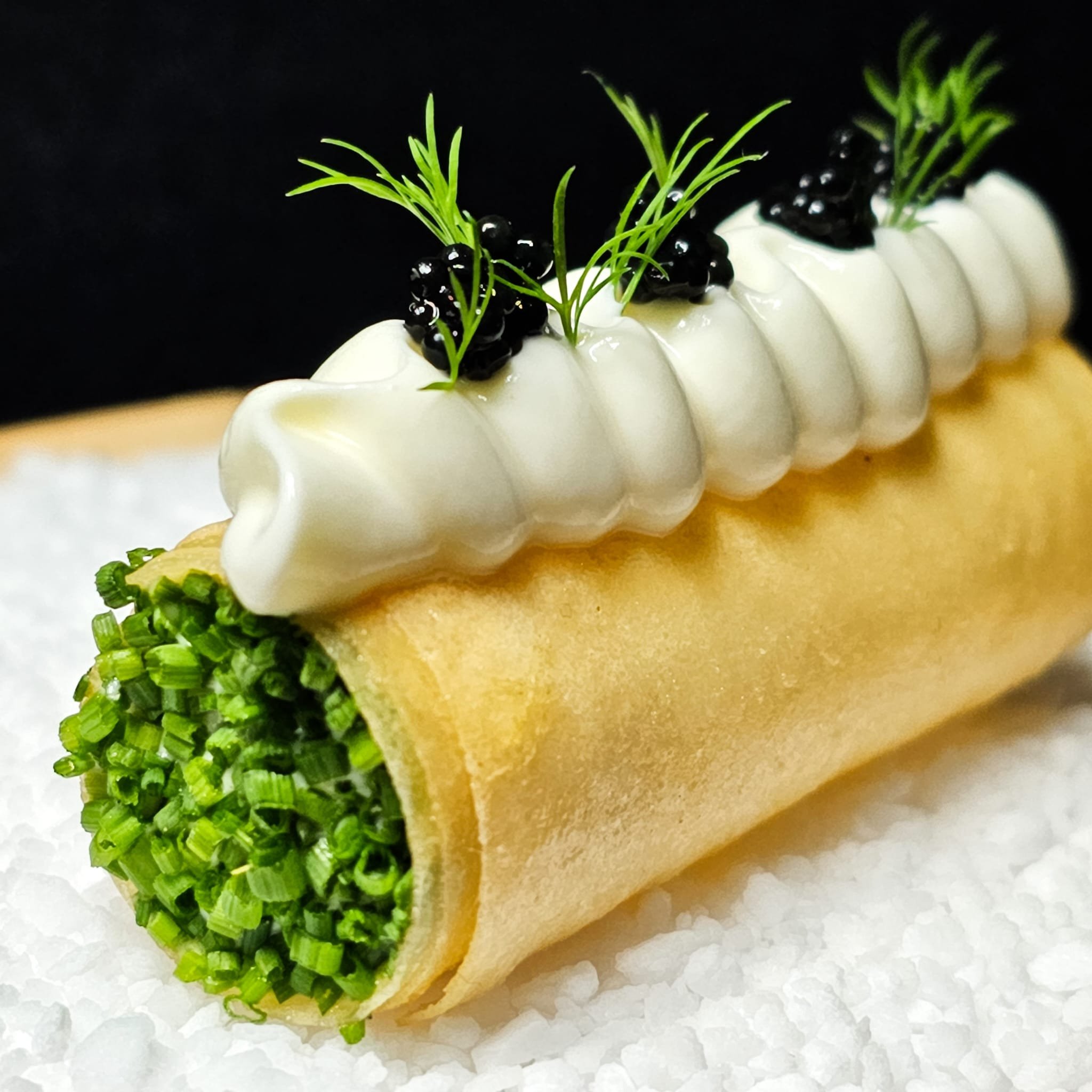
I like the destination to influence the menu rather than simply cooking the same food everywhere. Travelling gives you access to local markets, fishermen, producers, spices and ingredients that you might not find elsewhere. I try to combine those opportunities with what I know about the guests and how they like to eat. My background covers French, Scandinavian and Mediterranean cooking, but I've also spent a lot of time developing my knowledge of Japanese, Thai, Chinese, Vietnamese and Middle Eastern cuisines. That gives me a broad vocabulary to work with. The goal isn't to make food complicated. It's to use the best ingredients available and make them taste like themselves.
Which destination has had the biggest influence on your cooking?
It is difficult to choose just one because travelling has influenced my cooking enormously. Scandinavia will always be part of my identity as a Swedish chef, particularly the respect for seasonality, preservation and clean flavours. At the same time, working around the Mediterranean and Caribbean, and travelling extensively by yacht has opened up completely different ingredients and approaches to food. Expedition destinations such as Antarctica and Patagonia also teach me something different: resourcefulness. When you're cooking somewhere extremely remote, you learn that creativity isn't always about adding more - sometimes it's about doing more with what you have.
How do you stay creative when you are cooking every day, sometimes for weeks without a break?
I think curiosity is extremely important. I have never wanted to limit myself to one area of cooking. Alongside savoury cooking, I've spent a lot of time working with pastry, chocolate and bread. Moving between those disciplines keeps me interested because you're constantly learning different techniques. Travelling also gives you inspiration. A market, a local ingredient or even one dish in a small restaurant can give you an idea. But creativity on a yacht also has to be practical. Ultimately, you're not cooking to impress yourself, you are cooking for the guests. Understanding what they enjoy and finding new ways to surprise them within that framework is where the creativity comes in.
What does your own food look like when you finally get time off?
Much simpler - when you've spent weeks concentrating on presentation, technique and multiple courses, you don't necessarily want that on your day off. For me, good food doesn't have to be complicated. Give me great ingredients, something cooked properly, and good company and I'm happy. Sometimes simplicity is the greatest luxury.
What is one simple dish that, when made perfectly, is the most luxurious?
Freshly baked bread is difficult to beat. It sounds incredibly simple, but really good bread requires time, fermentation, temperature control and understanding. When it's done properly and served warm with exceptional butter, you don't need very much else. I've always believed strongly in making things from scratch, and bread is a perfect example of why. Simple ingredients don't give you anywhere to hide.
What is one ingredient you believe is always worth spending more on?
Butter - good butter changes everything, whether you're making sauces, pastry, bread or simply serving it on the table. With fundamental ingredients, quality is immediately noticeable. When there are only a few components on the plate, buying the best version you can becomes even more important.
What is the best piece of advice you can give to new chefs?
Learn the fundamentals properly and don't rush. Young chefs naturally want to be creative, but creativity becomes much more powerful once you have technique behind it. Learn how to make stocks and sauces properly. Learn pastry. Learn bread. Understand fermentation. Learn how ingredients behave and why techniques work rather than simply following recipes - technique gives you the freedom to become creative later.
And stay humble. Some of the best chefs I've worked around have been people who never stopped learning.
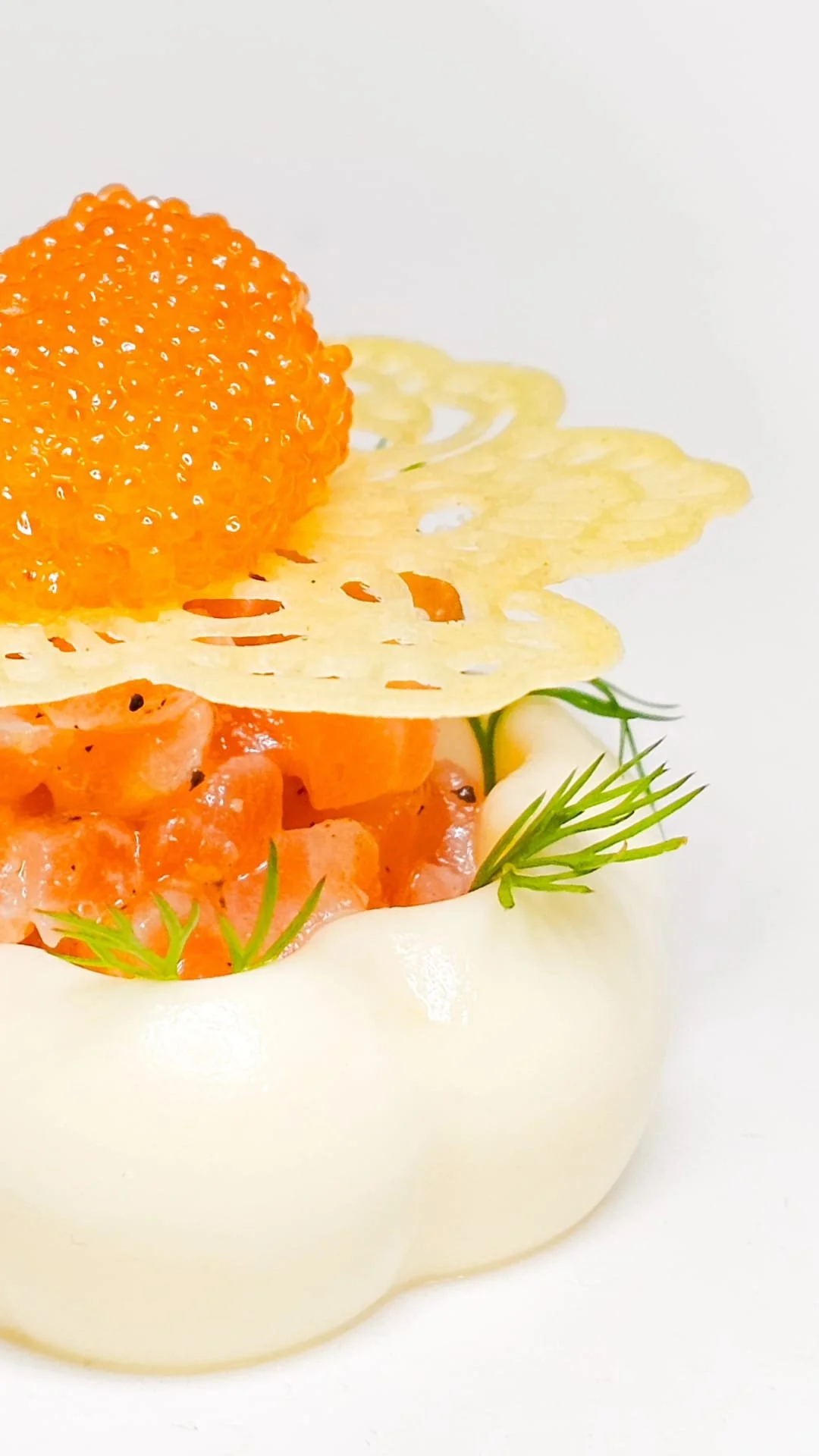
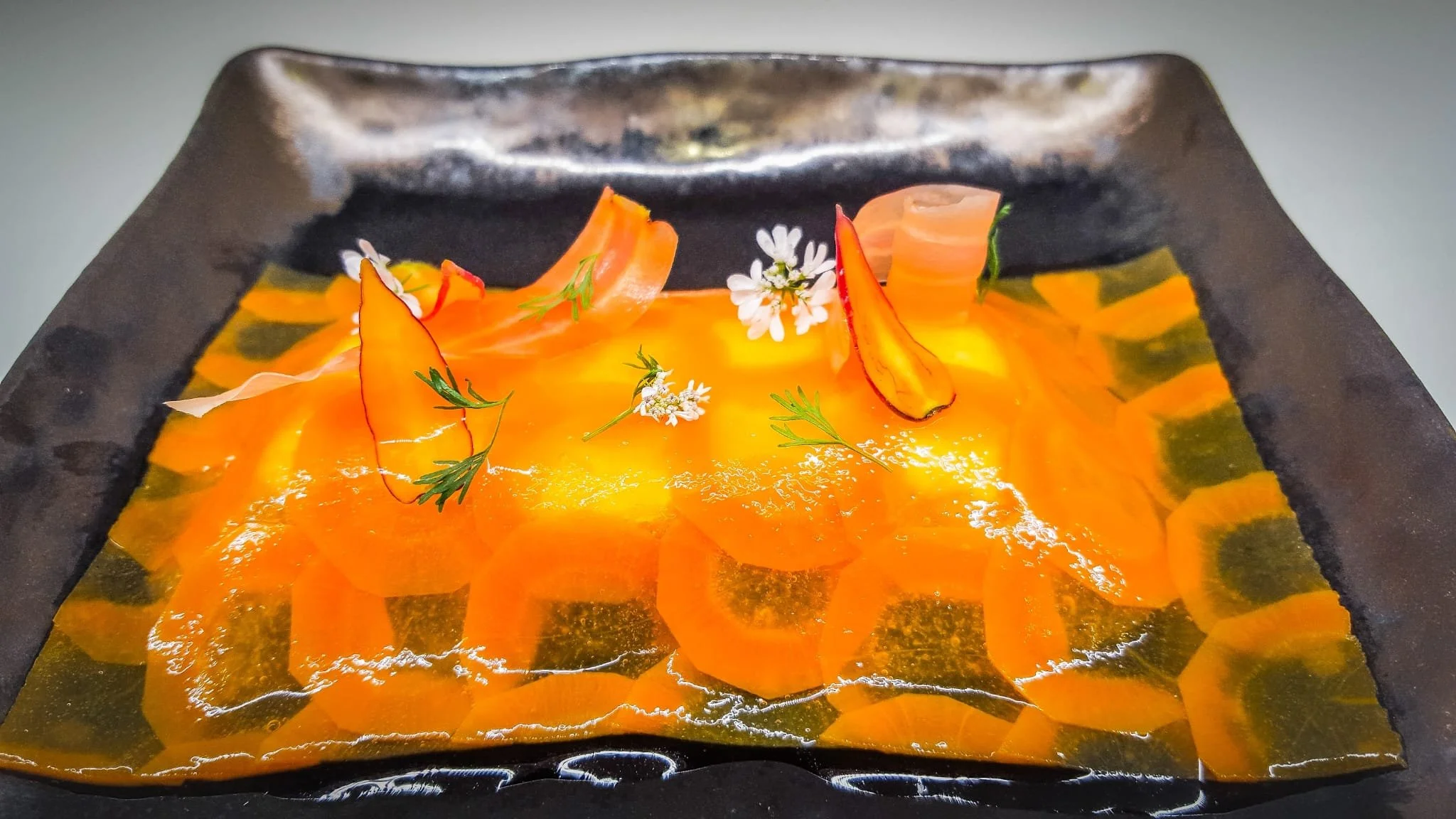
After experiencing some of the world’s most incredible food, what do you still crave when you are away from home?
The food you miss is often not the most show-stopping food. For me, being Swedish, it's the familiarity and simplicity of Scandinavian flavours that can bring you straight back home. After travelling and cooking elaborate food for long periods, there is something very satisfying about simple, honest food made properly. You can eat at some of the greatest restaurants in the world, but food is also about memory. Sometimes what you crave most is simply something that tastes like home.
What is next for you? Your own restaurant, a cookbook, or something completely different?
I've been fortunate to experience many different sides of the industry, from Michelin-starred restaurants and luxury resorts to some extraordinary yachts. What interests me now is continuing to develop at the highest level while also passing on what I've learned. Mentoring chefs and building strong galley teams has become an increasingly important part of what I do.
A cookbook would certainly be an interesting possibility in the future, particularly something that could bring together the different influences I've collected throughout my career - Scandinavian roots, classical technique, international flavours and the experiences of cooking around the world. But whatever comes next, I still want the same thing that attracted me to cooking in the beginning: to keep learning, keep pushing myself and create memorable experiences through food.
Follow Robin on Instagram: https://www.instagram.com/chef_robin_sjostrom/
