
In a world where every spare second is filled with scrolling, watching and consuming, perhaps the most radical thing we can do is simply be bored.
By Ameera Batlay
When did having nothing to do become something we have to avoid?
There is something almost uncomfortable about having absolutely nothing to do.
Not the kind of nothing where you have a show playing in the background, your phone beside you, and a dozen tabs open in your mind. I mean genuine nothing. Sitting in the passenger seat of a car without music playing. Waiting for someone without immediately reaching for your phone. Lying in bed with no particular reason to be there other than that you have finished everything you needed to do. At some point, we seem to have forgotten how to do it.
“The next time there is nothing to do, maybe we do not need to immediately find something. Maybe we can sit in the car and look out the window, let a conversation happen without checking our notifications, or spend an afternoon without feeling the need to make it productive. Not because boredom is something we should romanticise, but because we should not be so afraid of it.”
Think about the last time you stood in line somewhere, waited for a friend, or sat through a few minutes of silence. How long did it take before you reached for your phone? A minute? Ten seconds? You most likely didn't even notice yourself doing it. We have become remarkably good at filling empty spaces. A spare moment becomes an opportunity to check notifications, scroll through videos, answer messages, or see what everyone else is doing. Even when there is nothing particularly interesting happening, there is always something available to look at.
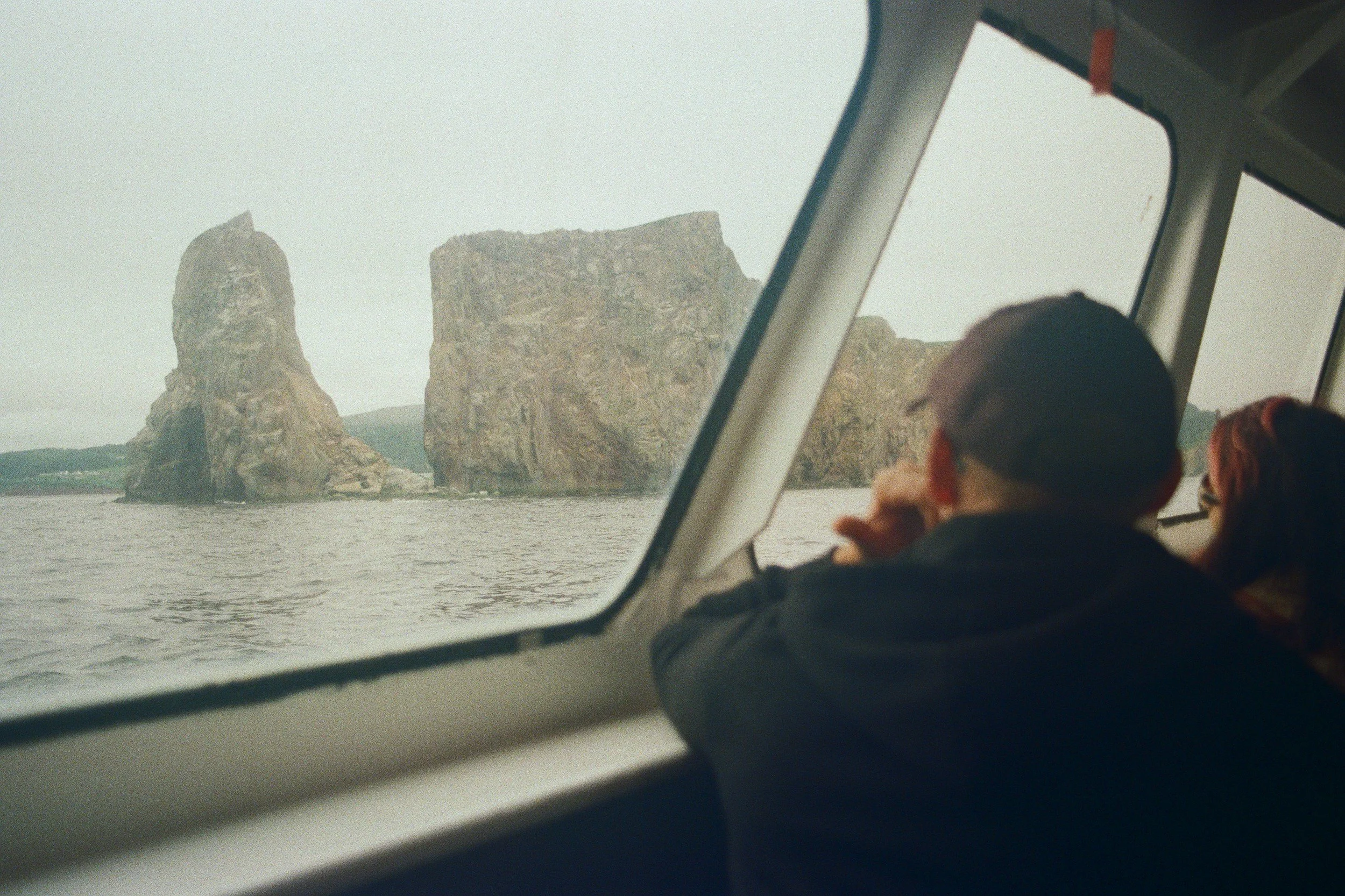
Boredom used to be an ordinary part of growing up. It was sitting in the back of the car on a long drive, staring out the window and inventing stories about the houses passing by. It was spending an afternoon at home with no plans, eventually finding something to do simply because there was nothing else. It was calling a friend because you were bored, not because you had something important to tell them. Sometimes, it was just being alone with your thoughts. These moments were rarely memorable at the time. In fact, most of them probably felt incredibly uneventful. Yet there was something valuable about them. Without a constant stream of entertainment, we had to create our own.
Now, boredom has almost become something we treat as an inconvenience. The moment we experience it, we look for a way out. Our phones offer an immediate solution, and the solution is practically endless. There is always another video, another post, another conversation happening somewhere else. We rarely have to sit with the feeling for more than a few seconds.
The interesting part is that we are not necessarily looking for something meaningful when we reach for our phones. Sometimes, we are simply looking for something. Anything. We have become accustomed to having our attention occupied, even when there is no real reason for it to be. And while technology has undoubtedly made entertainment more accessible, it has also changed our relationship with our own attention.
There is a difference between choosing to watch something and feeling uncomfortable when there is nothing to watch. One is entertainment. The other is almost a reflex. This is why even the smallest moments of silence can feel unfamiliar. We are so used to consuming information, opinions, images, and other people's lives that being left with our own thoughts can seem strangely unproductive.

But boredom is not necessarily wasted time. In fact, it can be where some of our most interesting thoughts begin. When we are not constantly being entertained, our minds have room to wander. We start making connections, imagining possibilities, remembering things we had forgotten, and occasionally thinking about questions we would otherwise never stop to consider. It is in these quieter moments that creativity can develop without being directed by an algorithm or influenced by whatever happens to be trending.
There is also something to be said about the way constant entertainment affects our expectations. When we are used to having something new presented to us every few seconds, ordinary experiences can begin to feel less interesting. A quiet afternoon, a long conversation, or even a walk without anything playing in our headphones might seem insufficient. We begin to expect every moment to offer something.
Yet not everything needs to be interesting. Not every afternoon needs a plan, every conversation needs a purpose, or every quiet moment needs to be filled. There is a certain freedom in allowing life to be uneventful sometimes. I think we have also underestimated how much of our lives happens in between the moments we consider important. We remember birthdays, holidays, graduations, and trips, but so much of growing up happens on ordinary afternoons that we never thought to document. The conversations in the car, the afternoons spent doing absolutely nothing, the familiar route home from school. These moments rarely feel significant while they are happening.
I am not suggesting that we abandon our phones or pretend that life was somehow better before social media. Technology has given us ways to communicate, learn, discover, and connect that previous generations could hardly have imagined. There is nothing inherently wrong with wanting entertainment, either. But perhaps we should question why we have become so reluctant to experience a moment without it.
The next time there is nothing to do, maybe we do not need to immediately find something. Maybe we can sit in the car and look out the window, let a conversation happen without checking our notifications, or spend an afternoon without feeling the need to make it productive. Not because boredom is something we should romanticise, but because we should not be so afraid of it.
We have become very good at filling our time. I wonder whether we have forgotten how to simply spend it. And perchance the lost art of being bored is not really about having nothing to do. It is about learning that nothing happening, sometimes, is enough.
Follow Ameera on Pinterest (https://pin.it/15BWcsI1c).
