
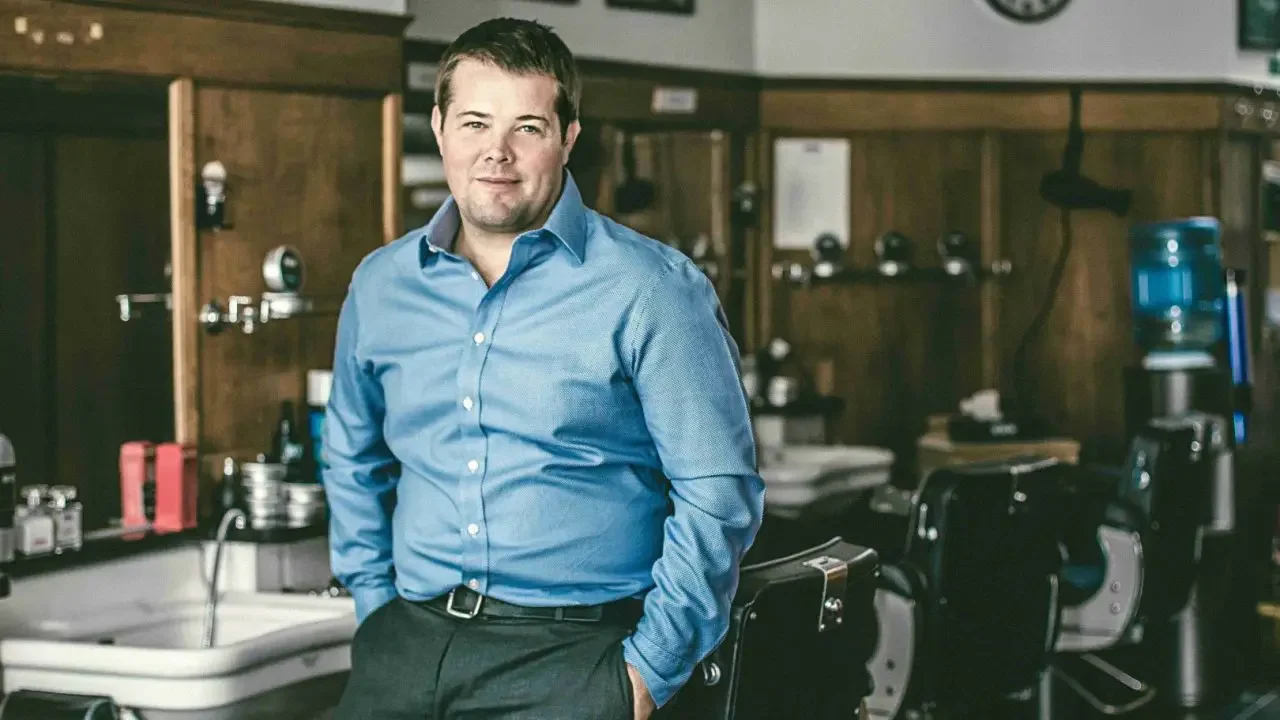
Richard Marshall MBE discusses building his career from the barbers chair up to British entrepreneurship and building an international business
We talk to Richard Marshall MBE on his extraordinary journey from humble beginnings to laying down his own path to success and the evolution of Pall Mall Barbers. Richard started in barbering at 12, was kicked out of school at 15 with no qualifications and could not read or write until he was 40. He bought the Whitcomb Street shop at 29 and has since grown it from that single site into an international business.
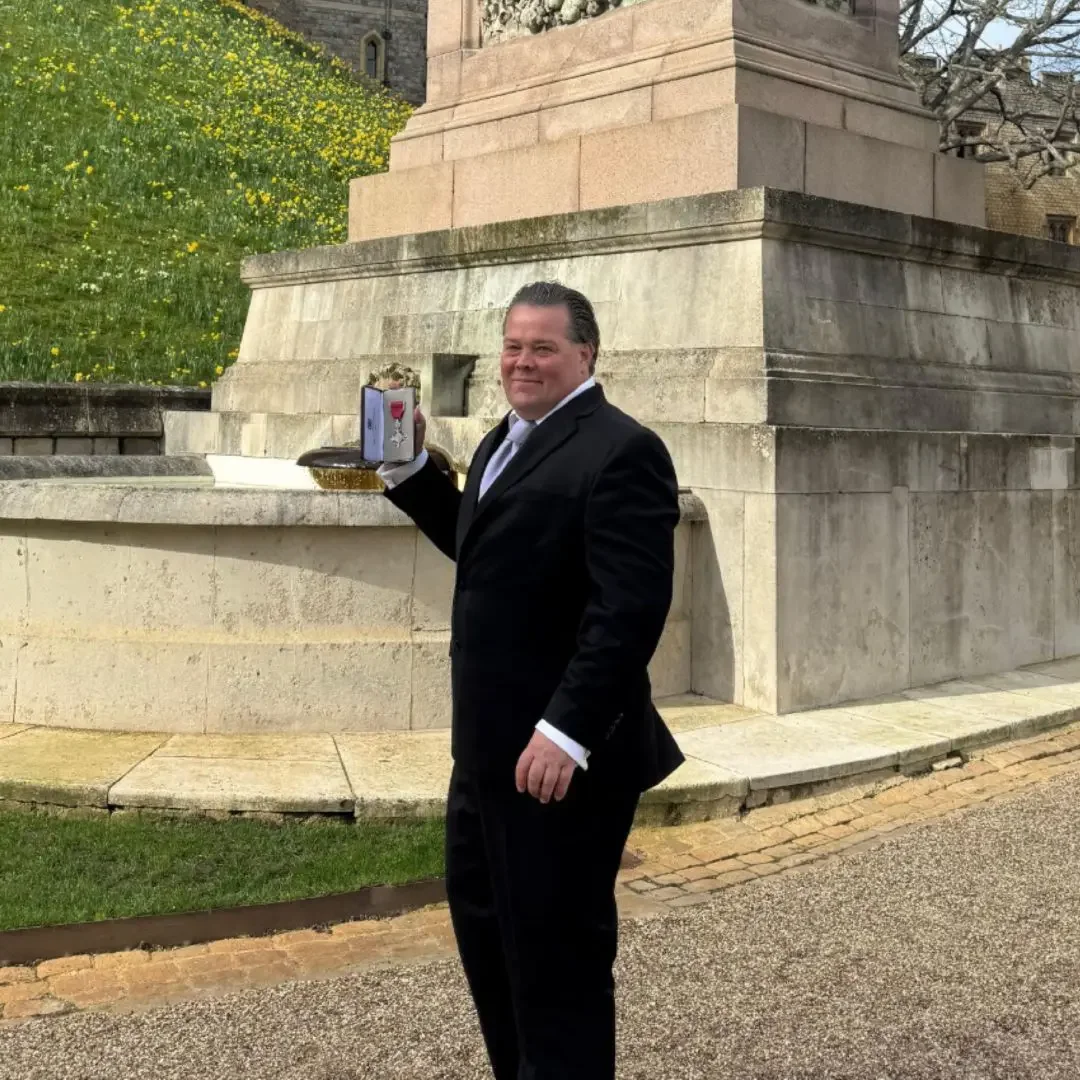
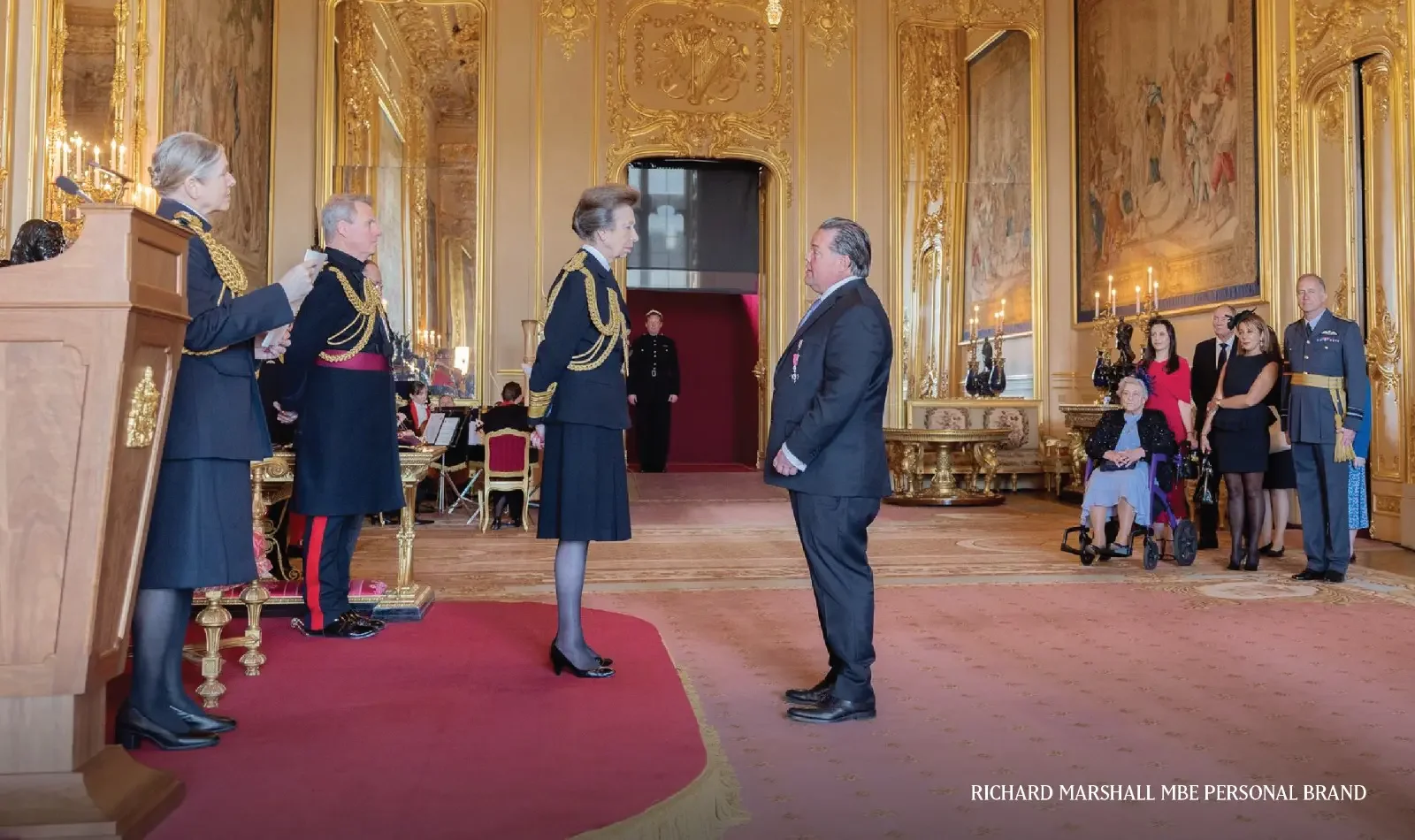
For eighteen months until November 2025 he advised the UK Government as a member of the Small Business Growth Council, working on the industrial strategy for the UK’s 5.6 million SMEs. He was also awarded an MBE in the King's New Year Honours List 2026 for services to international trade, mentoring and to people with dyslexia.
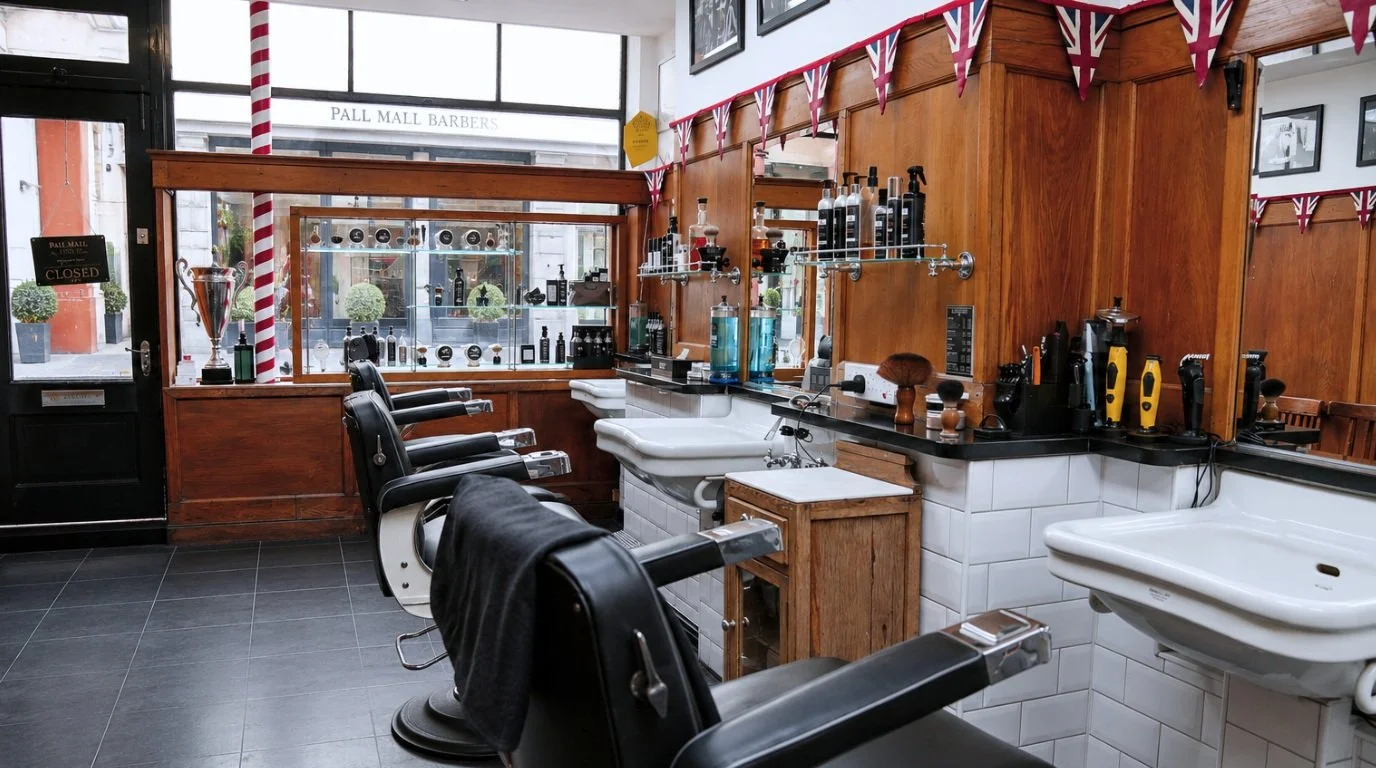
Pall Mall Barbers has been trading from the same Whitcomb Street location since 1896. What does it feel like to be the head of a business with 130 years of history behind it?
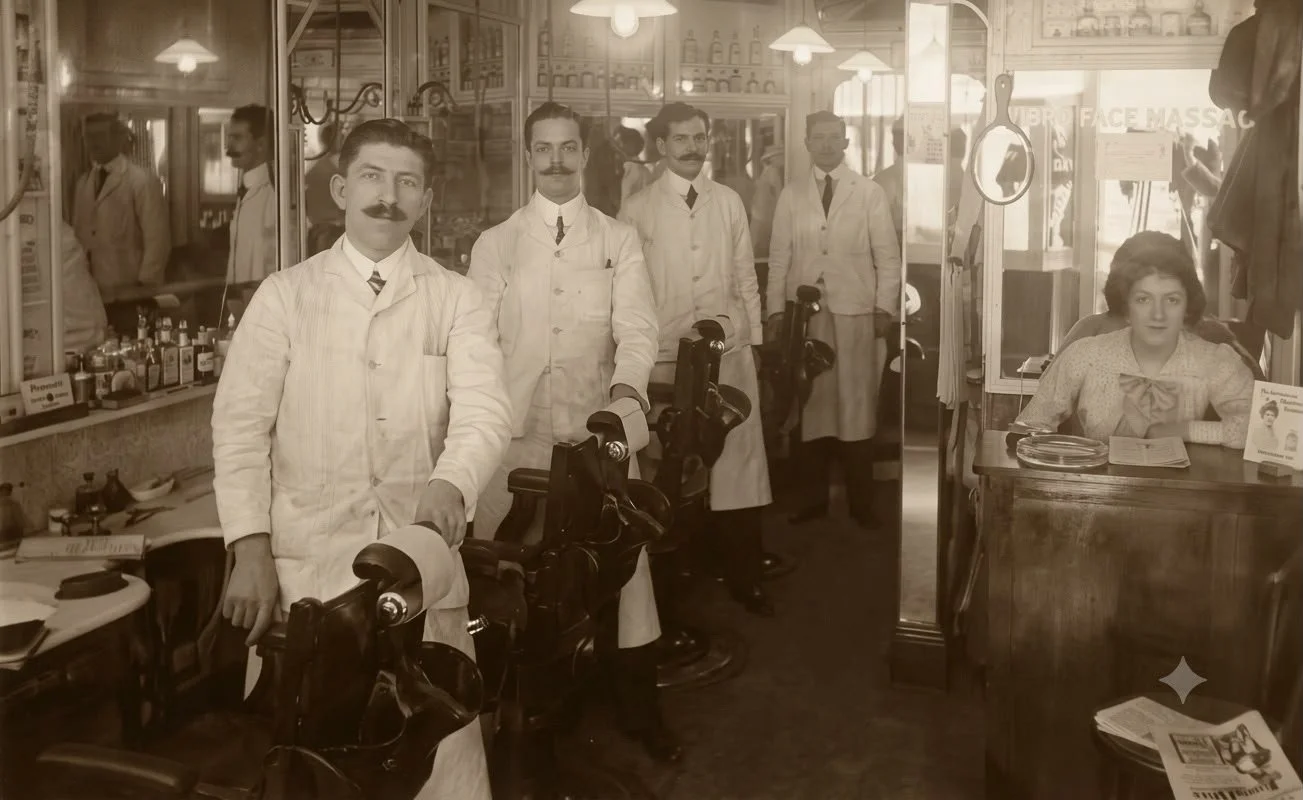
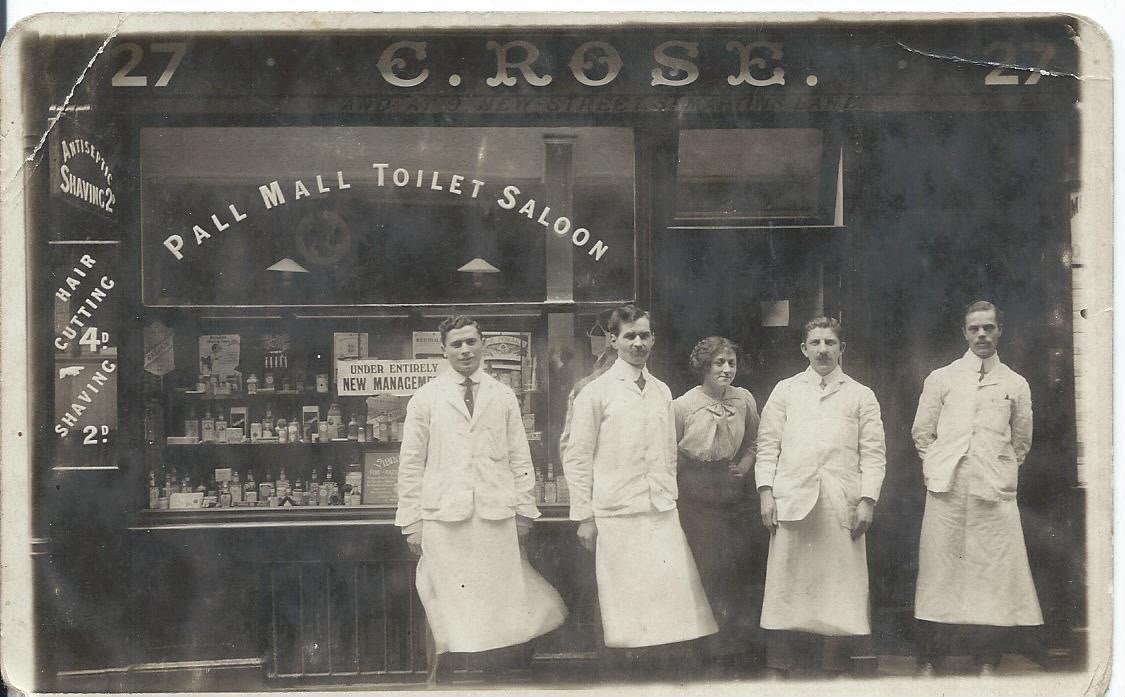
It is an incredible privilege, but also a big responsibility. When you think about how much London has changed since 1896, through two world wars, economic crashes, changing fashions and everything else, it's quite something to know that people have continued walking through those same doors for 130 years.
I don't really see myself as the owner of 130 years of history. I see myself as somebody who's looking after it for the next generation. The business was here long before me, and I'd like to think it'll be here long after me too. I am proud of what we've built, but I'm equally proud that we've managed to grow without forgetting where we came from.
You discovered the shop's 1896 history by finding an original business card underneath the Victorian floorboards. What went through your mind when you realised what you had uncovered, and how did that discovery change the way you viewed the business?
It was one of those moments when you suddenly realise you're part of something much bigger than yourself. We'd found this old business card underneath the floorboards, and there it was, a connection to the people who had been barbering in that very building back in 1896.
Until then, I'd been focused on building the business, making it successful and looking ahead. That discovery made me look backwards for the first time and appreciate what we already had. It changed my perspective completely. I wasn't just building a barbershop anymore. I was continuing a story that other people had started more than a century earlier. It made me realise that we had something genuinely special, and that we needed to protect it while taking the business forward.
You describe your approach as "Modern Heritage", preserving the traditional character of the barbershop while evolving everything else. Why do you think this balance has been so important to Pall Mall Barbers' success?
I think people want authenticity, but they also expect things to move with the times. There's no point having 130 years of history if you're still operating like it's 1896! For me, Modern Heritage is about keeping the things that made traditional barbershops special in the first place. The personal service, the craftsmanship, the conversation and that feeling of walking into somewhere you belong.
But everything around that has to evolve. The training, the products, the customer experience, the technology and how we run the business all need to reflect what men want today. We've never wanted to be a museum, and equally we've never wanted to become just another modern grooming brand with no personality or history. I think finding that balance has been a huge part of our success.
You started barbering at 12, left school without qualifications and have spoken openly about not being able to read or write until you were 40. Looking back, what did those experiences teach you about resilience, learning differently and building a successful business?
I struggled terribly at school. I was expelled at 15, had no qualifications, and for a long time I believed that because I couldn't learn in the same way as everybody else, I wasn't particularly clever. But I could cut hair. I'd started at 12, and I realised quite quickly that I was good with my hands, good with people and that I could learn by watching, listening and doing.
I think one of the biggest lessons I've learned is that intelligence comes in lots of different forms. Just because somebody struggles academically doesn't mean they lack ability or ambition. My dyslexia created challenges, particularly when it came to running a business, but it also made me approach problems differently. I had to become resourceful, learn to ask questions and surround myself with people whose skills complemented my own.
I don't think resilience means never failing. I've made plenty of mistakes along the way. It's about being willing to get up, learn something and have another go. I wish somebody had told me when I was younger that struggling at school didn't mean I couldn't succeed in life. It would have saved me years of doubting myself.
You have grown Pall Mall Barbers from one historic London shop into nine locations across the UK and US. What have been the biggest lessons and challenges in taking a genuinely British heritage brand onto the international stage?
The biggest lesson is that you can't build a successful international business simply by copying what worked in your first shop. What makes Pall Mall Barbers special is our British heritage, the standards of barbering and the way we treat customers. Those things have to remain consistent wherever we operate. But you also have to understand different markets, different cultures and different customer expectations.
Expanding internationally has taught me a huge amount about leadership and trusting other people. When you're running one barbershop, you can be involved in absolutely everything. When you're operating across different cities and countries, that's impossible. You have to build a team that understands your values and can deliver them without you standing over their shoulder.
There have been challenges, of course. Finding the right people, protecting standards and maintaining the personality of the business as it grows are all things you have to work at constantly. But there's something incredibly rewarding about seeing a business that started in a little shop in London establish itself internationally. It proves that a British heritage business can have a place in the modern world without losing its identity.
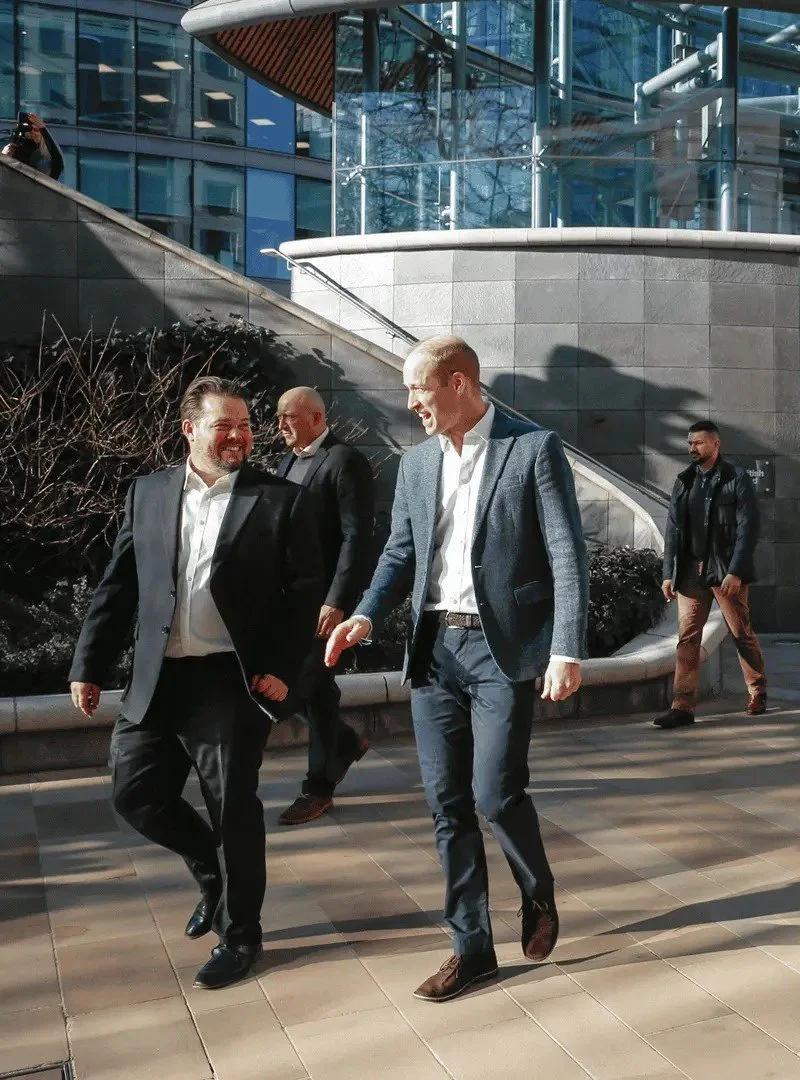
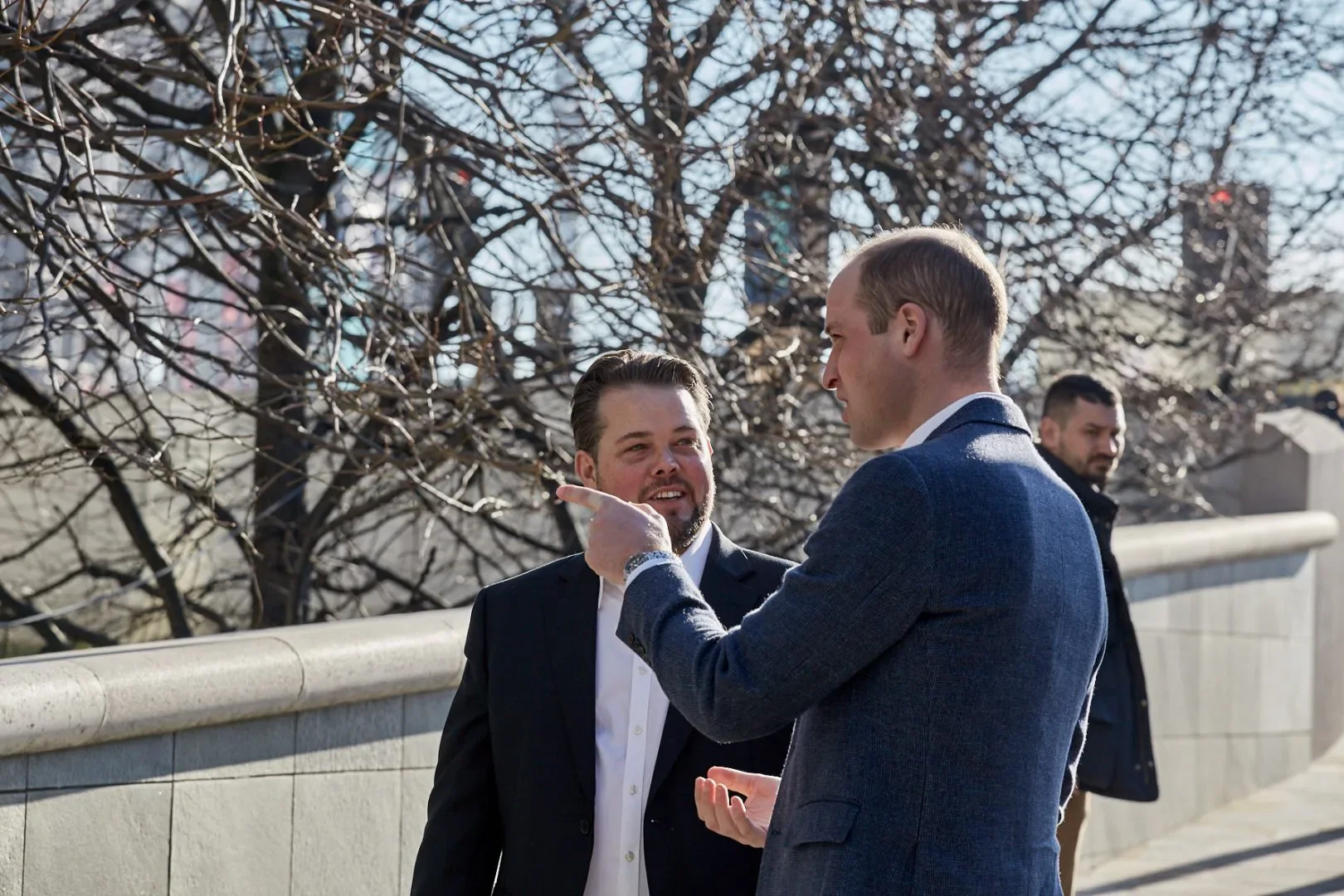
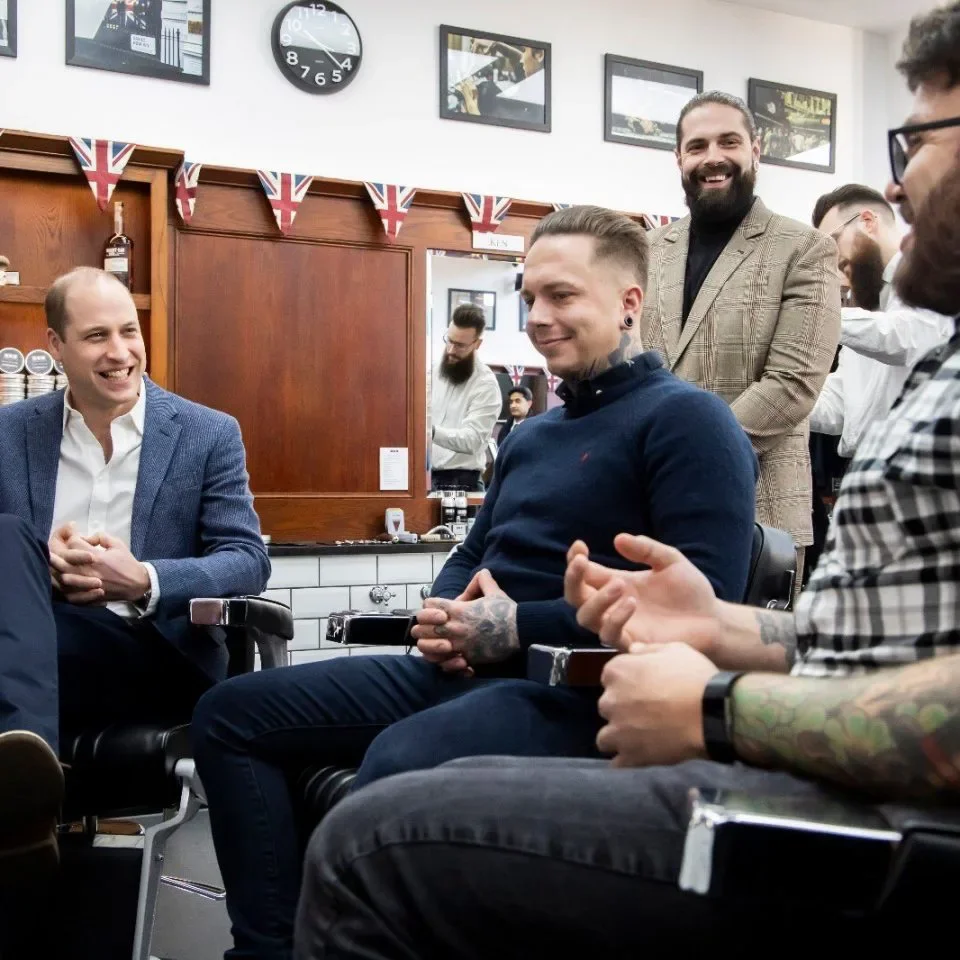
A royal visit from Prince William
The traditional barbershop has always been a place for conversation and connection as well as grooming. How do you see the role of the modern barbershop, particularly when it comes to men's wellbeing and creating a sense of community?
I think barbershops have always played a much bigger role in men's lives than people realise. For some men, their barber is one of the few people outside their family or close friends that they talk to regularly. You might see the same customer every few weeks for years. You get to know about their work, their relationships, their families and what's going on in their lives.
Sometimes they want to have a laugh and talk about football. Sometimes they'll tell you something they might not feel comfortable discussing anywhere else. I think that's incredibly important, particularly when we know how many men struggle to talk openly about their mental health. A barber isn't a therapist, and we shouldn't pretend to be, but we can listen. We can create an environment where people feel comfortable, valued and able to be themselves.
For me, the modern barbershop should still be a community space. Somewhere a customer walks in, gets a great haircut, has a conversation and hopefully walks out feeling a little better than when he arrived. That's something worth preserving.
You have received an MBE for services to international trade, mentoring and people with dyslexia, and have advised the UK Government on small-business growth. What message would you most like to share with young people or entrepreneurs who feel that their education or circumstances are holding them back?
Don't let somebody else's idea of what success looks like determine what you believe you're capable of. If you'd told the 15-year-old me, who'd just been expelled from school, that one day I'd be running an international business, advising the Government and receiving an MBE, I would never have believed you. For years, I carried around the belief that I wasn't good enough because I hadn't done well academically. And I know there are thousands of young people who feel exactly the same way today.
Education is important, absolutely, but exam results don't define your future. There are so many different ways to learn, to develop skills and to build a career. My advice would be to find something you're passionate about, get really good at it, ask for help when you need it and don't be afraid of starting small. I'd also say that you don't have to know everything to become successful. Some of the most important decisions I've made have involved recognising what I don't know and finding people who do. Success isn't about where you start. It's about what you're prepared to learn and do along the way.
Pall Mall Barbers has survived 130 years by adapting while retaining its identity. If the business is still here in another 130 years, what do you hope it will have kept? What do you think will have completely changed?
I'd love to think that in 130 years, somebody could still walk into Pall Mall Barbers on Whitcomb Street, sit in a barber's chair and experience that same sense of welcome and personal service that customers have enjoyed since 1896. The tools might be completely different. Technology will almost certainly change how people book appointments, how businesses operate and perhaps even how some grooming services are delivered. But I hope the fundamentals never change. The craftsmanship, the relationships between barbers and their customers, the pride in doing a good job and the sense of community.
I also hope Pall Mall Barbers is still creating opportunities for people. That's something that's incredibly important to me, particularly for young people who might not have had the easiest start in life. And who knows, perhaps somebody will lift the floorboards in another 130 years and discover something we've left behind. I'd like them to feel the same excitement and responsibility that I felt when we found that original business card. Because ultimately, I think the real achievement isn't building a business that lasts for your lifetime. It's building something that can outlive you.
For more information: https://www.pallmallbarbers.com/
