

Jabali Ridge
As the desire for nature-led travel grows, safari specialist Asilia Africa is shining a spotlight on two of Tanzania’s most spectacular yet lesser-visited national parks, where remote luxury camps, extraordinary wildlife encounters and meaningful conservation experiences offer a different kind of African safari
The search for meaningful travel experiences is taking a decidedly wilder turn. Online searches for “connected to nature” have risen by 1,050% over the past year, reflecting a growing appetite for journeys that bring travellers closer to the natural world. In response to this shift, safari operator Asilia Africa is encouraging travellers to look beyond Tanzania’s better-known northern safari circuit and discover the remarkable wilderness of the country's south. Here, Ruaha and Nyerere National Parks offer vast, uncrowded landscapes, exceptional wildlife and the opportunity to experience Africa at a slower, more immersive pace.
There is a compelling reason to make the journey south. A 2026 review published in People and Nature found that people who feel more connected to nature are more likely to take action to protect biodiversity. It is a philosophy that sits at the heart of Asilia’s approach to safari tourism, where memorable wildlife encounters can also help support the long-term protection of fragile ecosystems.
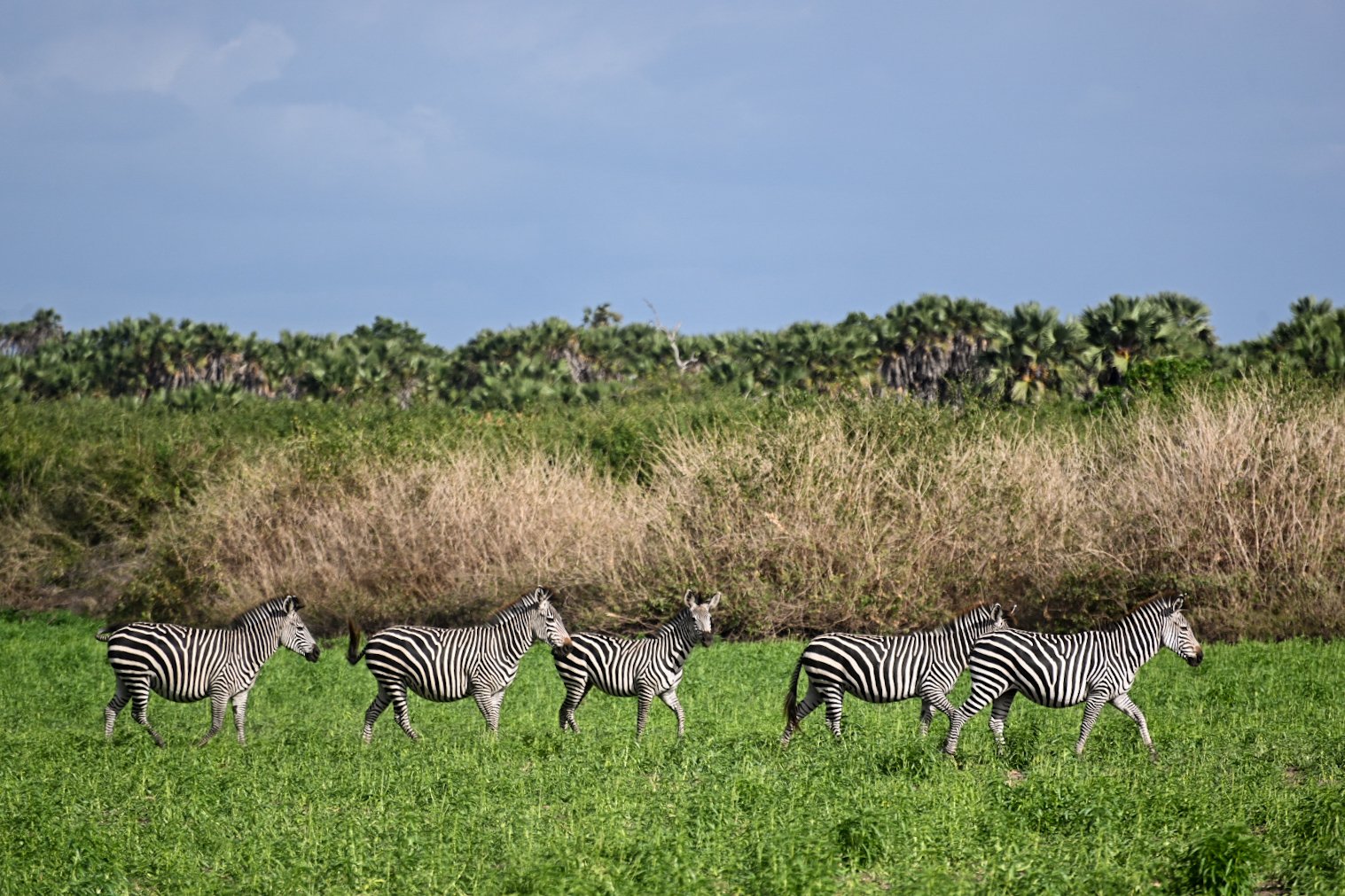
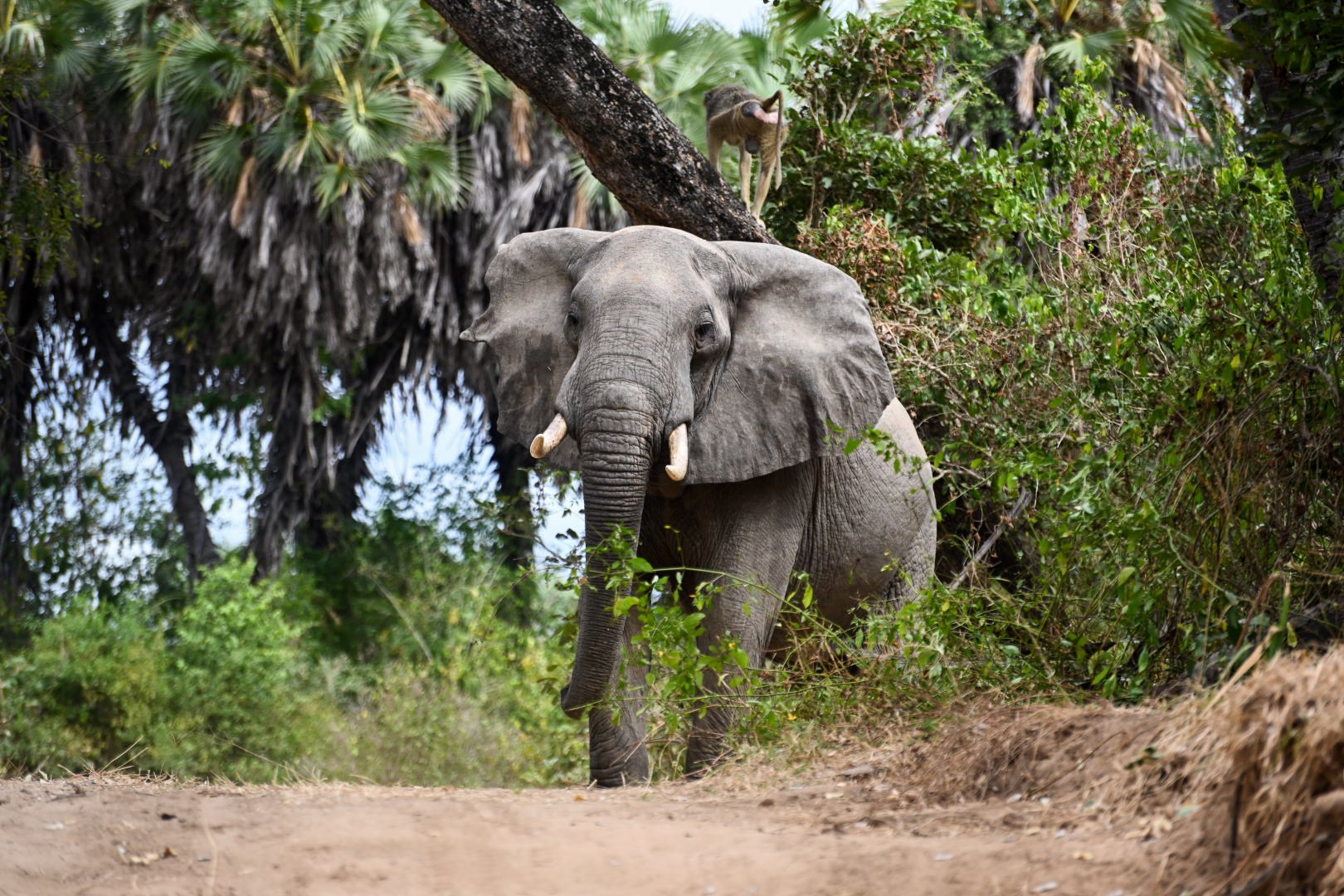
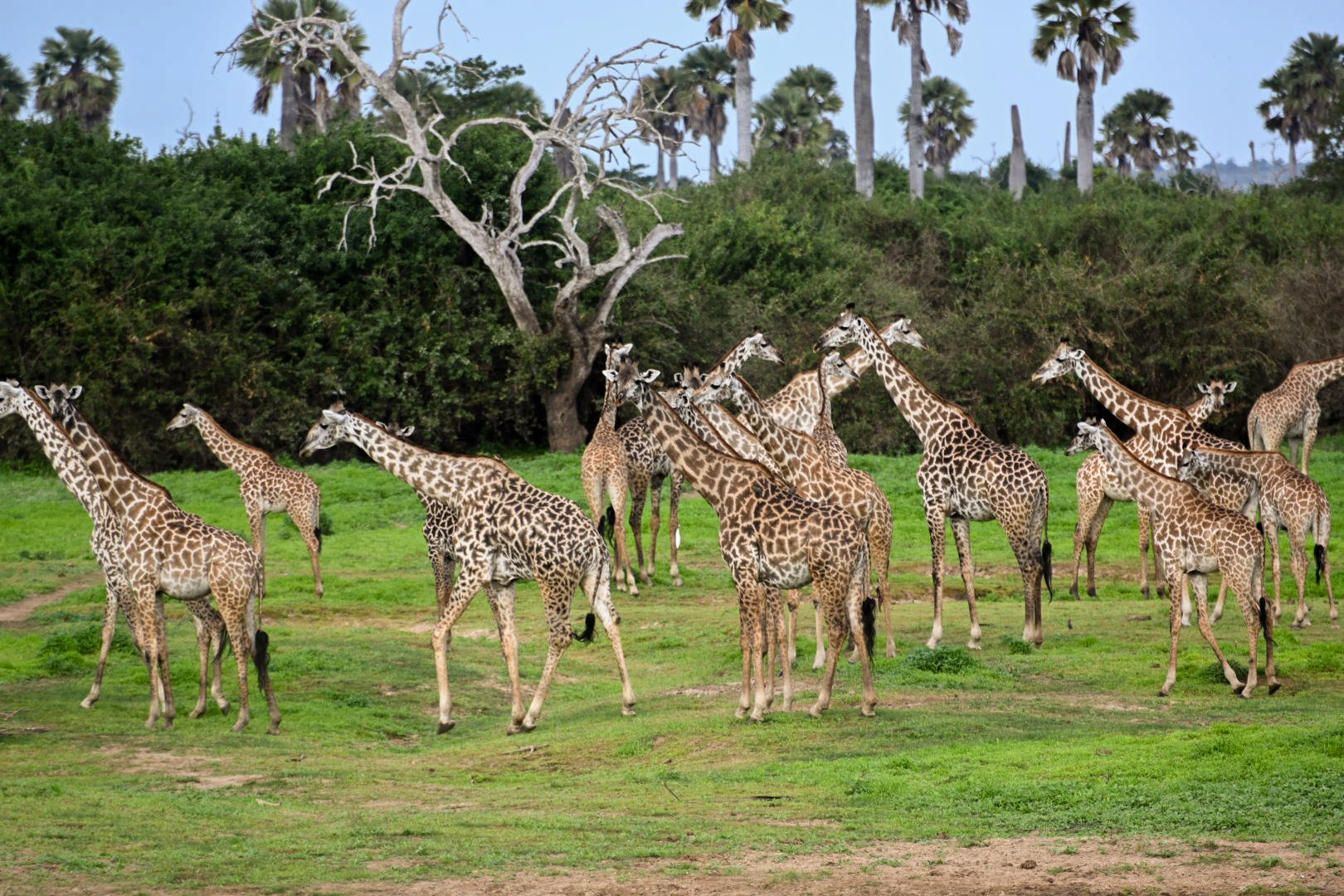
Ruaha is larger than the Serengeti yet attracts only a fraction of its visitors. One of Africa’s largest national parks, it is home to an estimated 10% of the world's lions, alongside leopard, African wild dog, elephant and more than 550 bird species. Its dramatic landscapes, ancient baobab trees and opportunities for walking safaris make it an extraordinary destination for those seeking a more adventurous safari experience.
Among the most distinctive places to stay is Usangu Expedition Camp, tucked away in the remote Usangu Wetlands. With just six tents, the camp offers an expedition-style experience that extends beyond traditional game drives. Guests can explore seasonal floodplains on foot, enjoy boating and fishing, and participate in biodiversity audits and camera-trapping activities that contribute to ongoing conservation and ecosystem rehabilitation. Night drives using thermal cameras add another dimension to wildlife viewing.
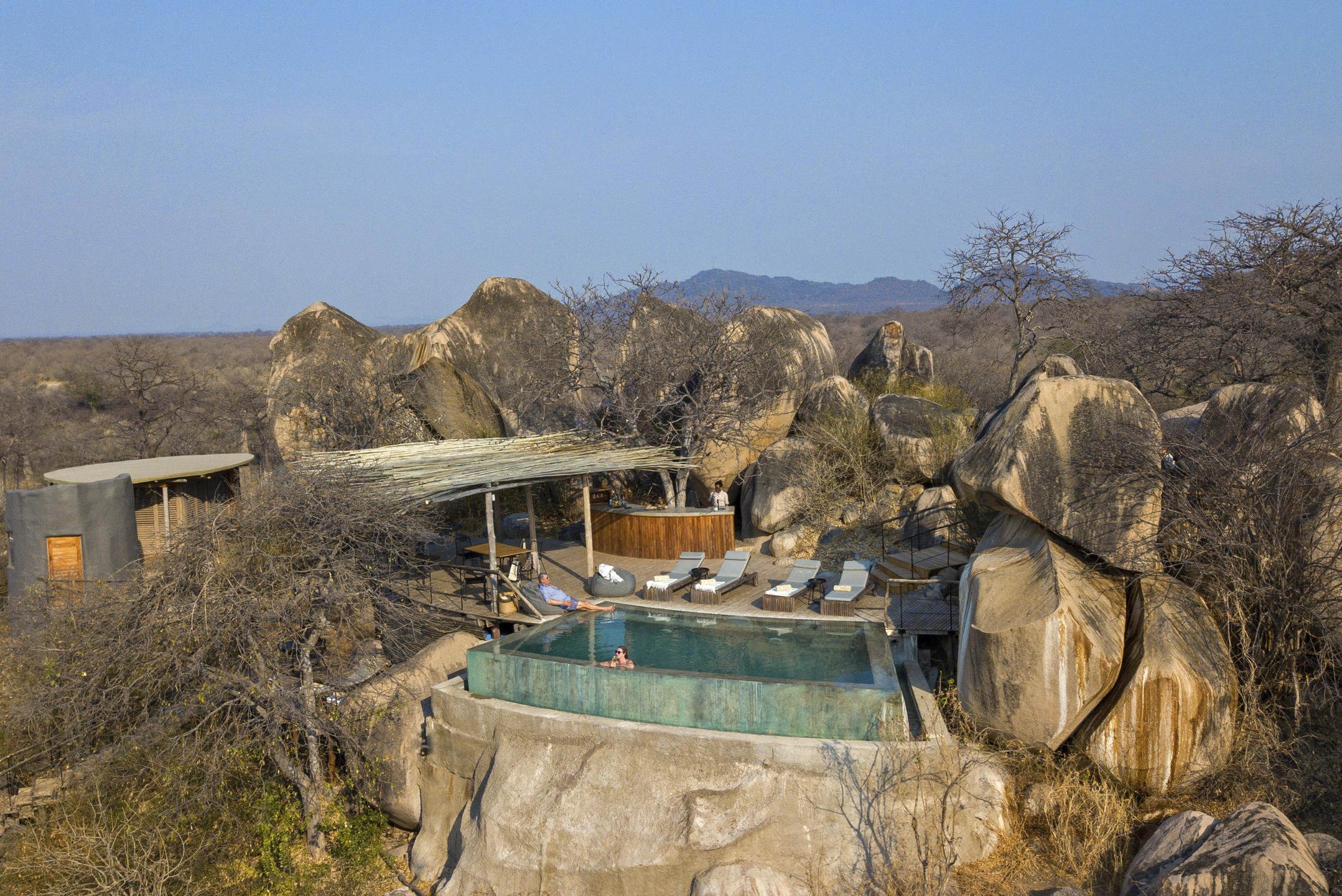
For a more luxurious retreat, Jabali Ridge combines contemporary safari design with a spectacular setting among the park's rocky outcrops. Its eight suites overlook the surrounding wilderness, with an infinity pool and spa providing a welcome contrast to days spent exploring. Guests can also opt for Jabali Private House, an exclusive-use property accommodating up to six people, complete with a private safari vehicle, guide and chef.
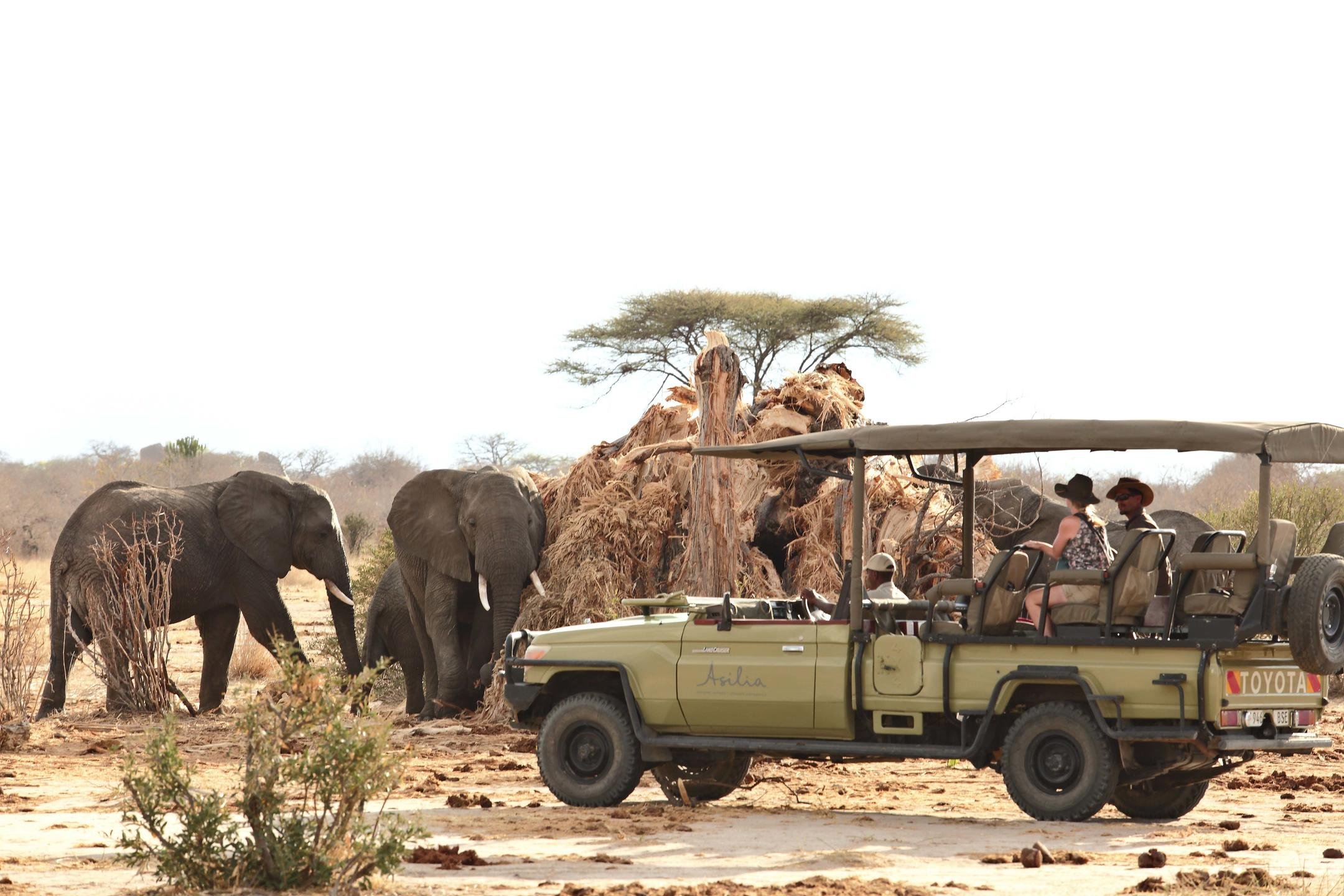
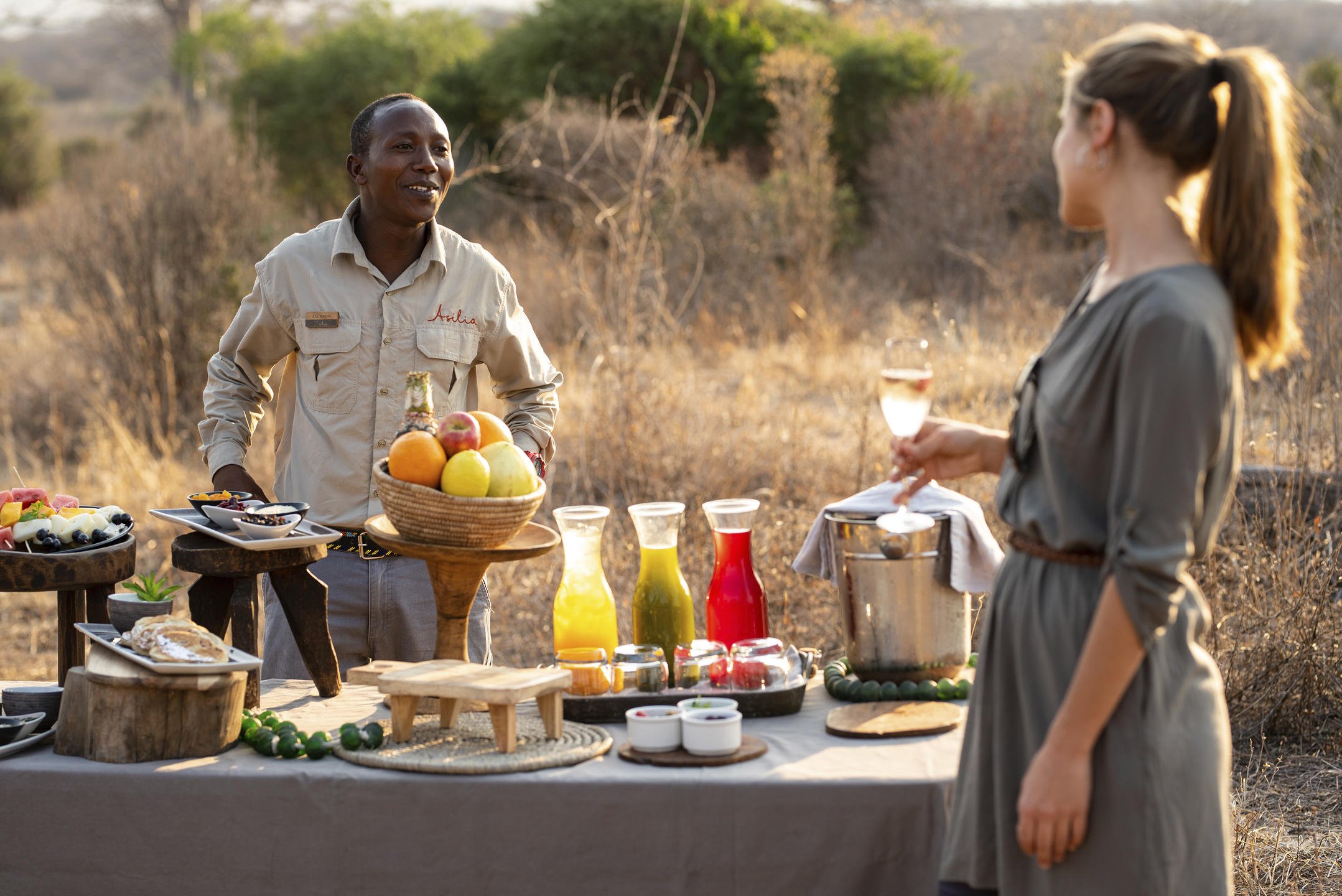
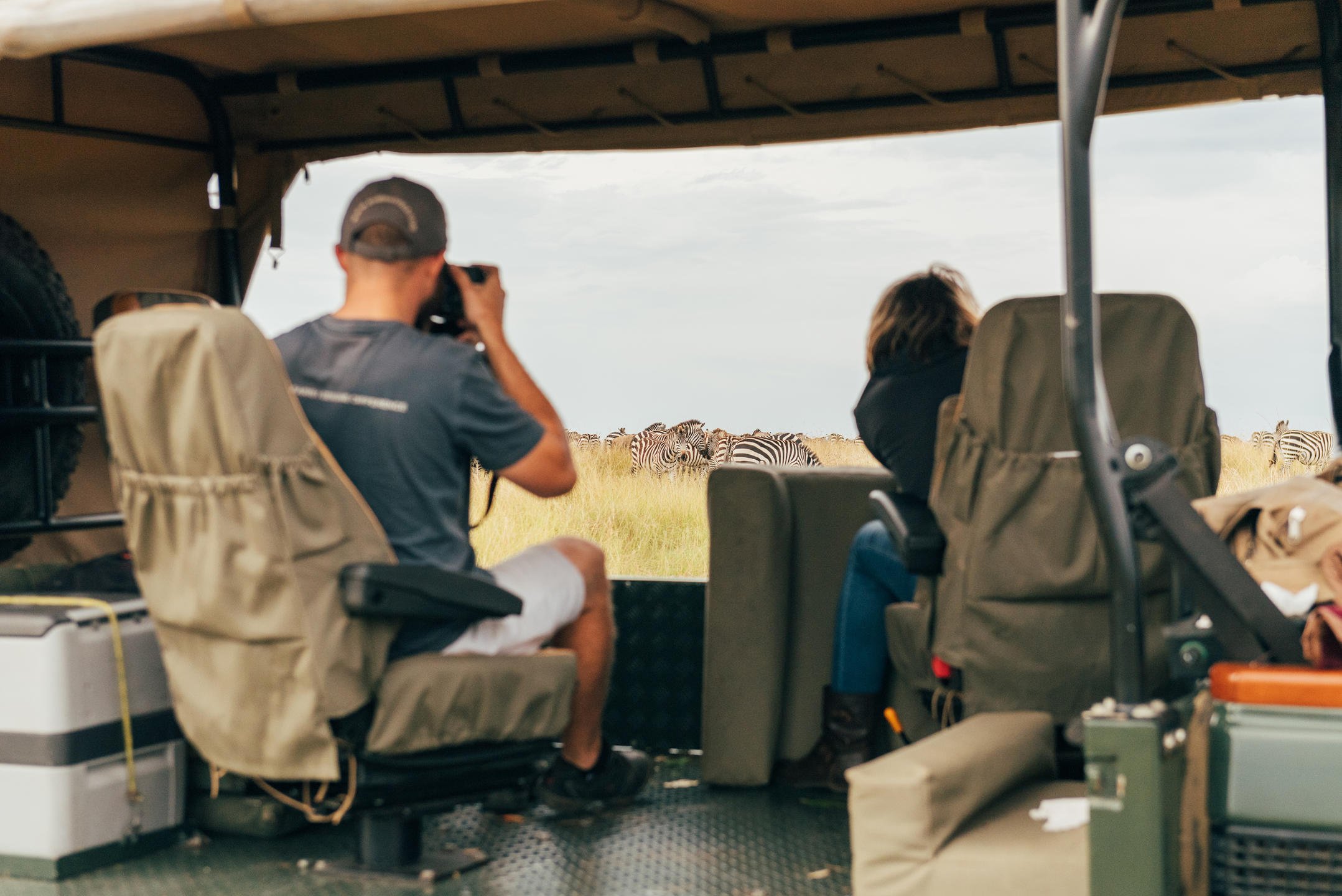
Meanwhile, Kokoko Camp offers something altogether more adventurous. Overlooking the dry Mwagusi riverbed, this intimate, exclusive-use camp has just three tents, each with a retractable roof for sleeping beneath Tanzania's spectacular night sky. Walking safaris are a particular highlight, especially in August and September, when the dry season brings wildlife closer to the remaining water sources.
Further south, Nyerere National Park, formerly part of the Selous Game Reserve, offers another extraordinary wilderness experience. One of Africa's largest national parks, it is particularly renowned for its significant population of African wild dogs, as well as elephants, buffalo, lions and leopards. Its waterways also provide a different perspective on safari, with boat excursions along the tributaries of the Rufiji River.
Here, Roho ya Selous occupies a beautiful position on a peninsula overlooking Lake Nzerakera. The eight-tent camp runs entirely on solar power, and guests can explore the surrounding wilderness on game drives, guided walking safaris and boat trips. With more than 400 bird species recorded in the park, it is also a rewarding destination for birdwatchers.
Beyond the wildlife and exceptional accommodation, what makes Southern Tanzania particularly appealing is the sense of space. Visitor numbers remain relatively low, allowing travellers to experience the wilderness without the crowds often associated with more established safari destinations. Tourism revenue, including park fees, also plays an important role in funding the protection of these remote ecosystems.
As Matt Starkey, Managing Director of Asilia Africa, explains, the experience can stay with guests long after they have returned home. Time spent walking through wild landscapes, watching wildlife gather at a waterhole or falling asleep beneath a canopy of stars can create a lasting connection with the natural world.
For travellers looking for an African safari that offers more than extraordinary wildlife sightings, Southern Tanzania makes a compelling case. It is a chance to discover a quieter side of the continent, immerse yourself in some of its most remarkable landscapes and experience the kind of wilderness that reminds you why protecting the natural world matters.

Planning your trip
The best time to visit depends on the experience you are looking for. July to November is generally ideal for exploring Ruaha, with August and September particularly good for walking safaris. October offers excellent wildlife viewing during the height of the dry season. In Nyerere, June to January is a good period for walking safaris, while June and February to mid-March are particularly suited to boating and fishing.
Where to stay: Asilia Africa's Southern Tanzania collection includes Usangu Expedition Camp, Jabali Ridge, Jabali Private House and Kokoko Camp in Ruaha National Park, and Roho ya Selous in Nyerere National Park.
Prices: From £626 per person per night at Usangu Expedition Camp, £664 at Jabali Ridge, £950 at Roho ya Selous and £1,328 per camp per night at Kokoko Camp. Jabali Private House starts from £3,327 per night.
For more information: Asilia Africa
