
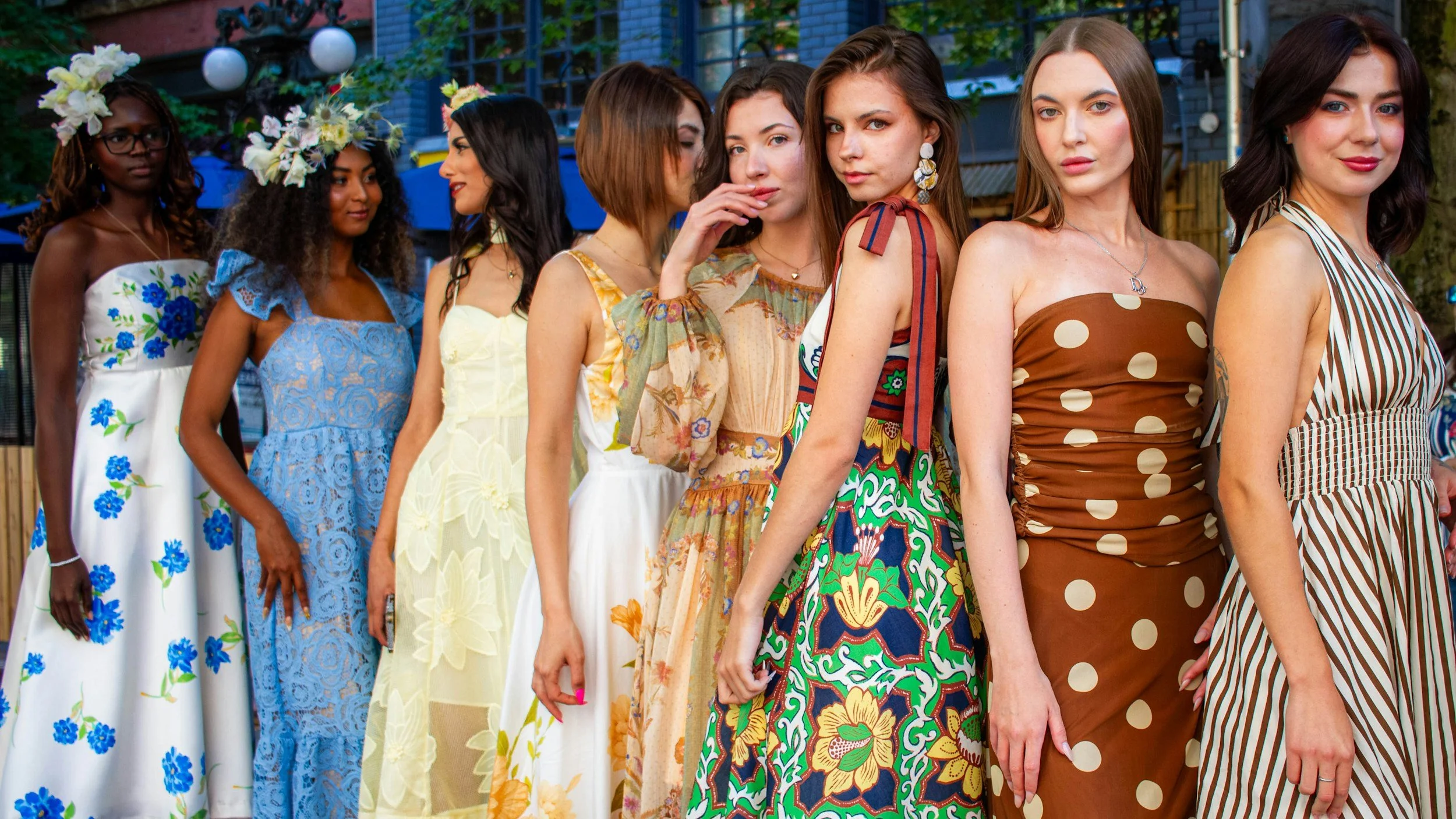
By Ameera Batley
From Renaissance ideals of femininity to Victorian social status and today's billion-pound beauty industry, the definition of beauty has always been shaped by power, privilege and the pursuit of perfection
We often speak about beauty as though it were an objective quality, something that is easily recognisable and agreeable. Yet, beauty standards throughout the centuries have drastically changed, leaving us to question what the true definition of beauty is. If beauty is truly universal, why does its meaning keep changing?
Beauty is Never Timeless
We have this habit of speaking about beauty as though it exists independently of time. We call certain faces timeless, certain silhouettes elegant, and numerous works of art unique and breath-taking. Although, the history of beauty tells us a different story. What one century praises, the next rejects, and so on. It becomes almost impossible and unethical to follow constant beauty trends because, realistically, there isn't one. Beauty cannot be defined by micro-trends that last two milliseconds; it is defined and built on eras of history which shaped our world today.
Beauty has never existed in isolation from the society that defines it. Take the Renaissance, for example. Physical appearance was often intertwined with extreme amounts of wealth, social class and ideals of femininity. In particular, the distinction between those who possessed beauty and those who could afford to cultivate its appearance was not always so easily separated. During the Renaissance period, a pale complexion in females represented class and security. The lighter complexion suggested a connection to aristocratic heritage, which gave women more status within society. This proves how elaborate garments, facial complexion and constructed silhouettes could communicate far more than physical attractiveness, but rather a person's position within their society.
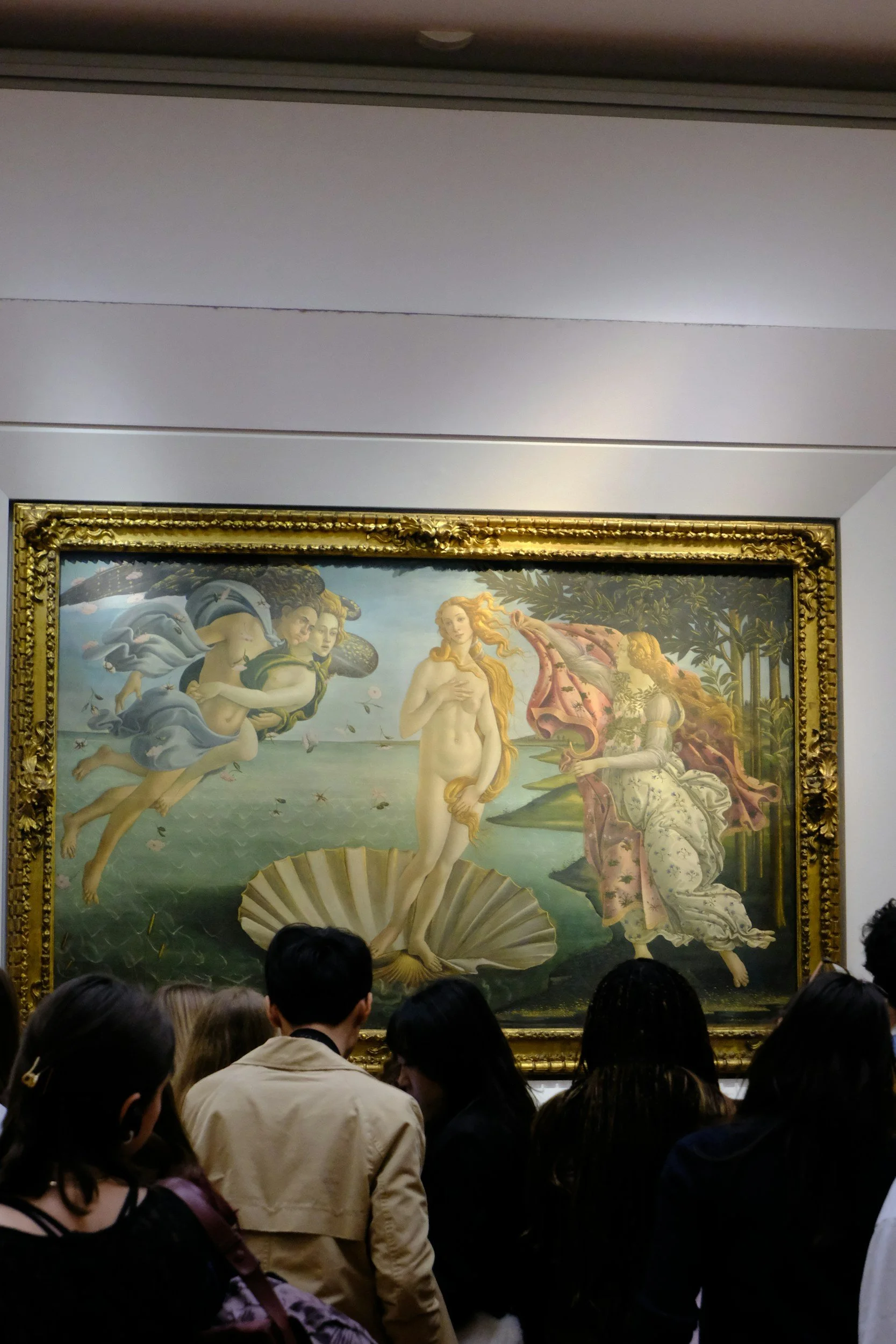
These ideals were not only expressed through clothing and appearance, but were also immortalised through art. In Sandro Botticelli's The Birth of Venus, the female figure becomes an idealised representation of divine feminine beauty, shaped by the artistic and intellectual values of Renaissance Florence. Botticelli's portrayal of Venus offers a revealing example of how beauty was understood as purity and spirituality during this period. Inspired by classical mythology, Venus is presented not simply as a woman, but rather as an embodiment of idealized feminine beauty. Her flowing hair and delicate features contribute to the image of femininity clearly and delicately. Venus is represented as a pearl born of the sea; she is tied to the shell's fertility and innocence, focusing on how her virtue and grace contribute to her remarkable beauty rather than just standard looks. This painting therefore raises a more relevant question: when artists present idealized beauty, does it merely reflect the values of the society around them during the period, or does it rather help establish and encourage them?
Beyond Appearance: Beauty and Respectability
The relationship between art and beauty, however, extended far beyond the painted canvases that illustrated these ethereal paintings. Artistic representations helped circulate ideals of femininity that reflected the cultural values of their time. Beauty was not the sole reason for admiration; women were measured against the expectations shaped by the societies that they lived in. Thus, the distinction between being considered beautiful and being perceived as respectable often became difficult to separate.
Centuries later, the harsh relationship between beauty and social status remained, although its expression had changed. During the Victorian era, more particularly among the upper British class, femininity was closely associated with modesty, decorum and maintained appearances. A woman's femininity not only depended on how restrictive her clothing was, but also on her ability to be pure, stable, and a moral and spiritual anchor for her husband. Beauty changed from being admired only in paintings to being represented through clothing, excessive accessories and personal lives.
Beyond the structured silhouettes, intricate gowns and physical appearances, fashionable dresses carried an important social meaning. The materials, construction and condition of a woman's clothing could not only communicate her fashion sense, but also her wealth and position within society. In this sense, appearance becomes a form of universal social language, allowing individuals to communicate their status without having to explicitly say it.
The Business of Beauty: An Ever-Changing Ideal
As fashion and consumer culture developed, the relationship between beauty and wealth evolved. Appearance and attractiveness were no longer shaped by social customs, artistic traditions or access to expensive clothing alone. They increasingly became connected to commercial industries built around the promise of refinement and self-improvement. Cosmetics, fashion publications and advertising helped establish new expectations of appearance while simultaneously offering products through which individuals could pursue them. Beauty had become not only a social ideal, but also an increasingly profitable market that many took advantage of.
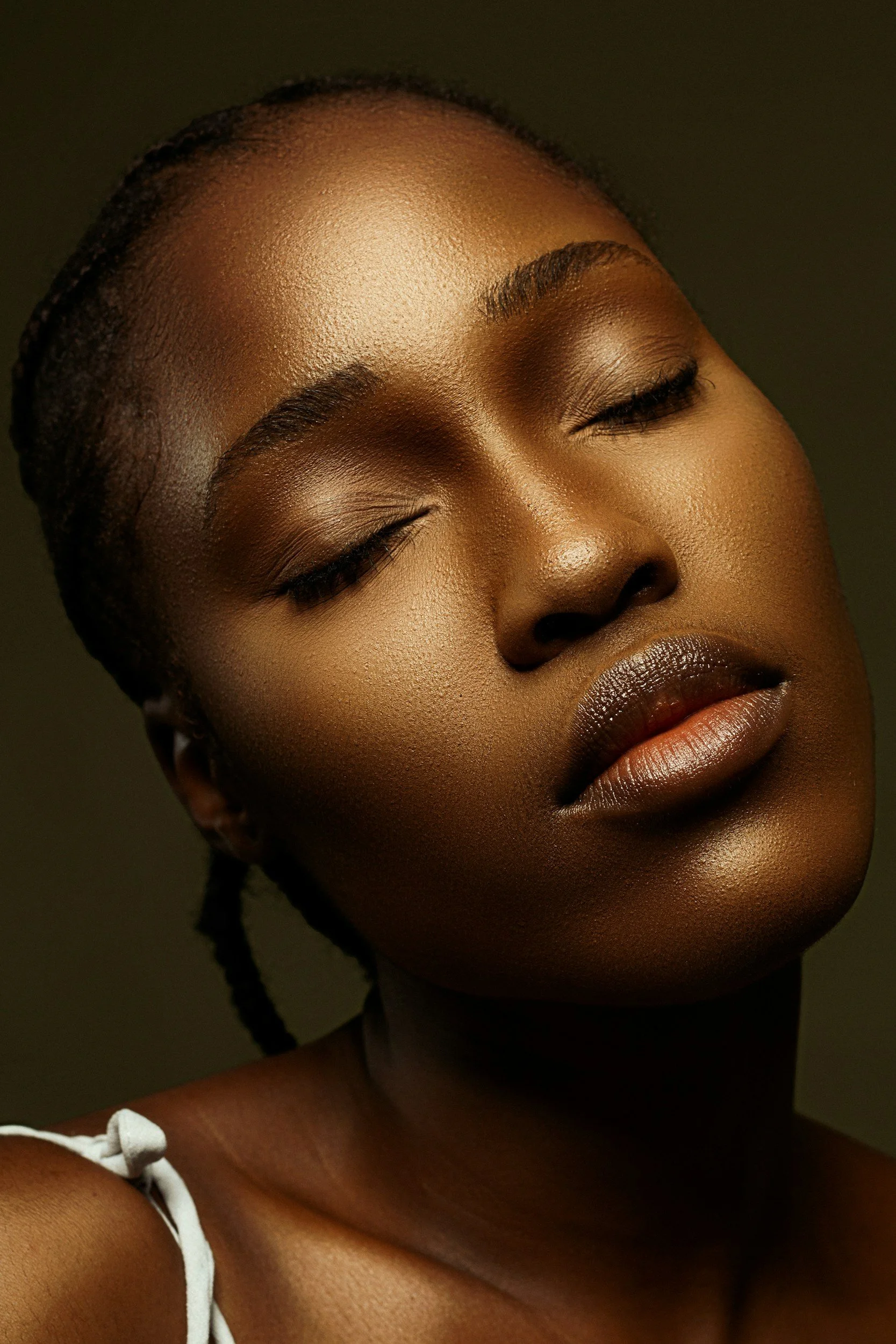
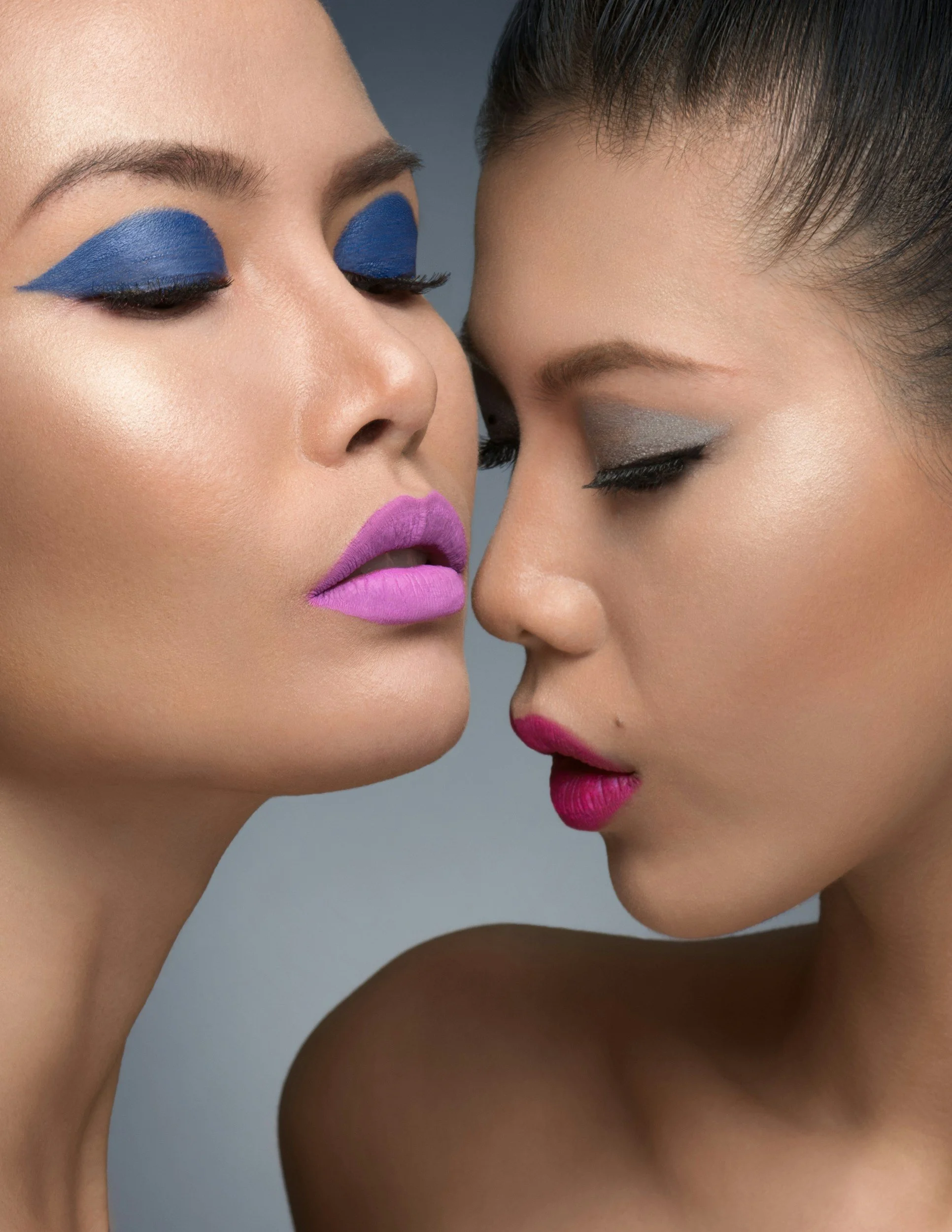
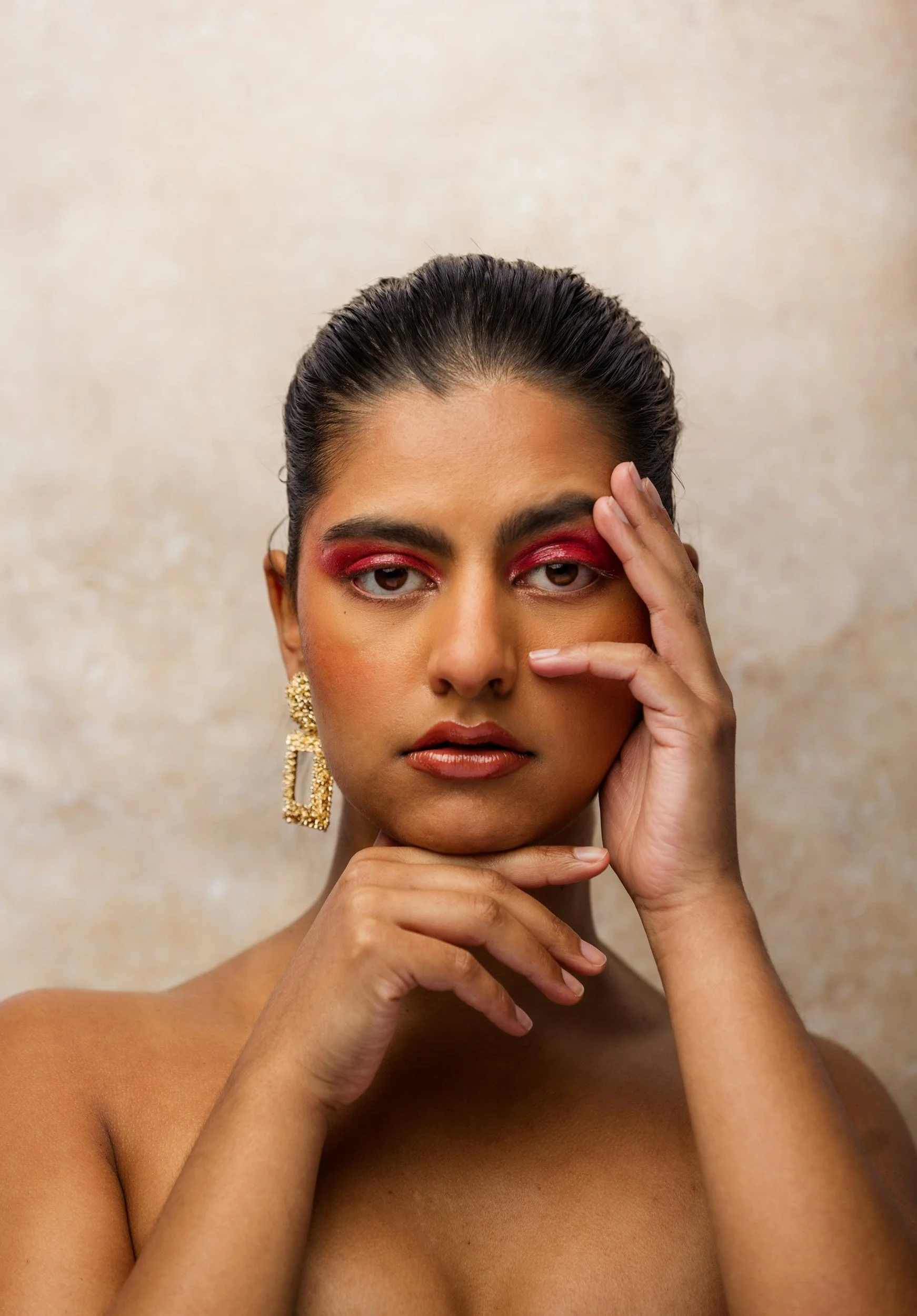
Now, there is truly an interesting contradiction within an industry built around beauty: the standards it promotes are rarely permanent. Features, silhouettes and styles that are celebrated in one decade can become unfashionable in the next, creating an endless cycle of reinvention, waste and consumerism. This raises an important question about the relationship between beauty and consumption. If the definition of beauty is constantly changing, to what extent are individuals pursuing an ideal that can ever truly be achieved? Is the beauty standard even achievable? Maybe the beauty industry survives forever by ensuring its standards never do.
From the idealised figures of Renaissance paintings to the carefully constructed silhouettes of Victorian fashion and the commercial beauty industries of today, the definition of beauty has continually reflected the values of the societies that shaped it. Its history reveals that appearance has rarely existed as an isolated aesthetic preference. Instead, it has been carefully intertwined with wealth, femininity, social standing and the expectations of each generation.
