
Why Successful People Struggle to Find Love
By Cath Gosden, Professional Matchmaker and Founder of Genuine Connections
On paper, they have everything. A successful career. Financial security. A lovely home. A busy social life. Perhaps grown-up children, wonderful holidays and a lifestyle they have worked incredibly hard to create.
And yet there is one thing missing, someone to share it with.
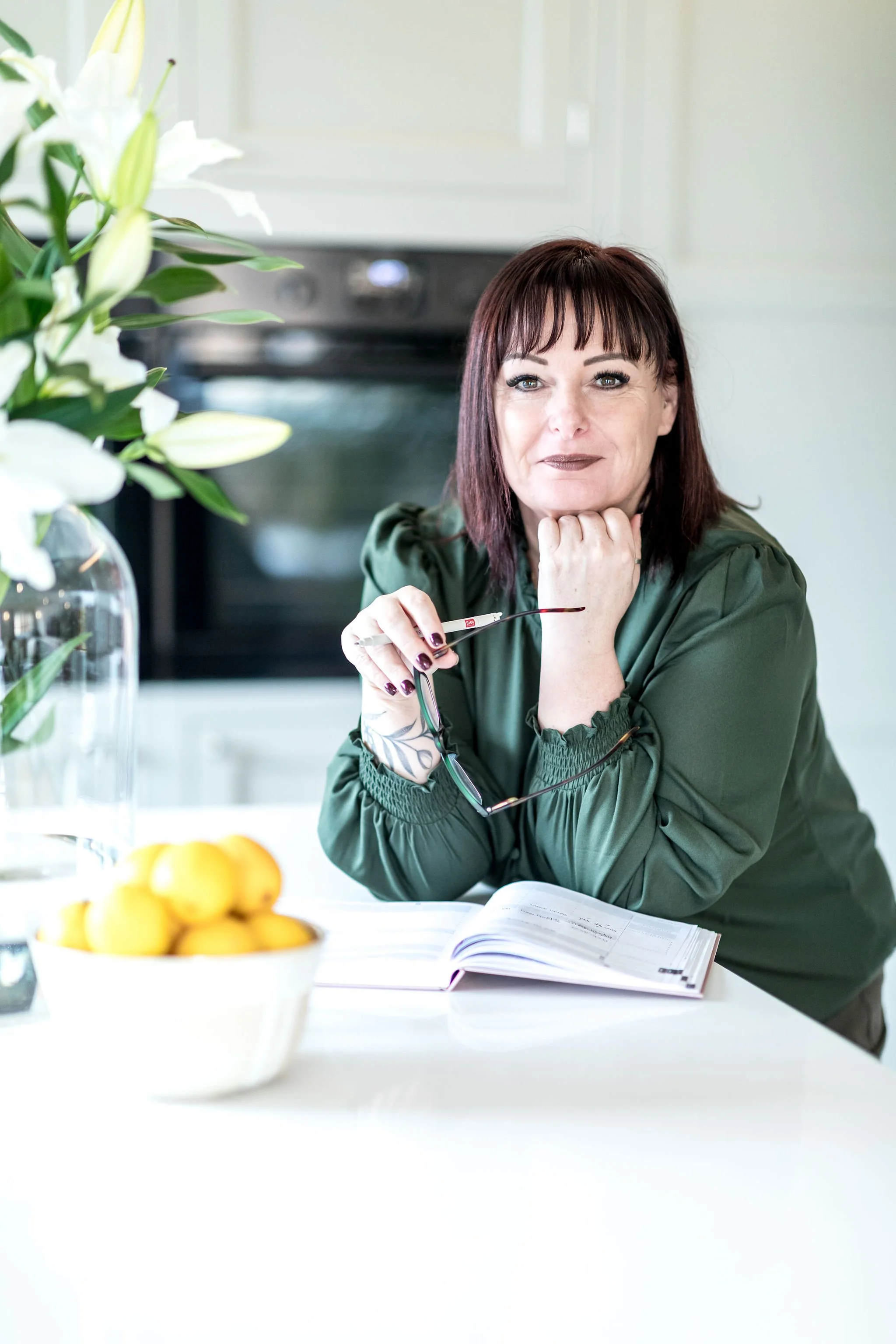
Cath Gosden, Founder of Genuine Connections
As a professional matchmaker, I meet successful, accomplished people who are genuinely surprised to find themselves single, when they achieve success in other areas of their lives. So why has finding love proved so difficult?
Interestingly, I think sometimes it is because they are successful, rather than despite it. Some of the characteristics that help us succeed professionally don't necessarily translate quite so neatly into our romantic lives.
Here are some of the patterns I see most often:
They put their career first until suddenly they realise how much time has passed
Building a career or business takes time, energy and focus. Add children, maybe a divorce, ageing parents, a home and all the other responsibilities of adult life and finding a partner can quietly slip further and further down the list.
I've spoken to many people who didn't make a conscious decision to stay single for years. Life simply happened. And then one day they looked up and thought: Where did those five years go? Or ten. I've had clients say to me, "I wish I'd done this years ago."
Longer working hours and increased work demands have caused more work-life conflict, while work interfering with a relationship can affect relationship satisfaction. Success requires us to prioritise what matters. The same is true of our personal lives. If finding a partner really matters to you, it can't permanently sit at number 17 on the to-do list.
They mistake being busy for being fulfilled
Successful people are often incredibly busy. And when life is that full, it can be surprisingly easy not to notice what's missing. Being busy can become a very effective distraction from loneliness. It's often during the quieter moments that it becomes more apparent - a Sunday evening when there's nobody to share dinner with. Coming home from a wonderful holiday to an empty house. Or getting some brilliant news and realising there isn't that special person you immediately want to tell.
I see this particularly with people who have spent years rebuilding their lives after divorce or bereavement. But survival mode can quietly become a way of life. Years later, they realise that although they have created a life that is busy, successful and enjoyable there is still something they would really like to have, someone to share it with.

That doesn't mean a relationship is necessary for a fulfilling life. But if having a partner is something you genuinely want, filling every available space with work and activity won't necessarily make that desire disappear.
They approach dating like recruitment
Successful people are often very good at making decisions. That's useful in business. In dating? Not so much. I've met singles with incredibly detailed lists of what their future partner should be like. Of course you should have standards, and there are certain things, values, relationship goals and lifestyle compatibility, that really do matter. But a partner isn't a job vacancy.
One of the biggest mistakes people make is confusing compatibility with criteria. The person who makes you laugh, makes you feel safe, and brings out a softer side of you may not arrive in quite the packaging you imagined. Sometimes successful dating requires being willing to ask not, "Do they tick every box?" but "How do I feel when I'm with this person?"
They expect to feel an instant spark
If there aren't fireworks in the first ten minutes, people assume there is no romantic potential. But some of the strongest relationships don't begin with fireworks. They begin with curiosity; a conversation that becomes easier as the evening goes on or a sense that you'd quite like to see this person again.
I regularly encourage clients not to ask themselves whether they've just met the love of their life after one date. Ask instead: "Would I enjoy spending another couple of hours with this person?" If the answer is yes, go on the second date.
Their high standards become perfectionism
Successful people are often used to striving for the best. But searching for the "best" person is a dangerous way to date. Research has linked certain forms of perfectionism with poorer romantic relationship outcomes.

Love requires something that professional success doesn't always demand - accepting another human being in all their imperfectness. The goal isn't to find a perfect person. It's to find someone whose values, character and way of living fit well with yours - and whose imperfections you can happily live with.
They've become too good at being independent
They have built a life they enjoy. They know exactly how they like their home, their weekends, their holidays and their routines. But this independence can become inflexibility, because relationships require compromise.
Someone else is going to have opinions about where you go for dinner, what you do on Sunday, where you holiday. After years of complete autonomy, making room for somebody else can feel surprisingly uncomfortable.
The question becomes: Do you actually have space in your life for the relationship you say you want? Not just an empty chair at the dinner table, but emotional and practical space for another person to become part of your world.
They try to control the outcome
There is an element of vulnerability and uncertainty in falling in love that no amount of professional competence can eliminate. For people who are used to being in control, that can be incredibly uncomfortable.
You can control whether you put yourself out there. You can control how you communicate. You can control the opportunities you create to meet people. But you can't control chemistry, timing or another person's feelings. And that's OK.
They assume love will simply happen
Successful people rarely leave the important areas of their lives entirely to chance. They have plans for their careers, finances, businesses, health and retirement. Yet when it comes to finding a partner, they'll often say "I'd just like to meet someone naturally."
But if your normal week consists of work, the gym, seeing the same friends and spending Sunday walking the dog, exactly where is this mysterious new person going to appear from?

Finding love doesn't have to mean turning your search into a massive project. It does however mean creating opportunities for something different to happen. Tell friends you're genuinely open to being introduced to someone. Accept more invitations. Try events or activities that expand your social circle. Explore matchmaking. And if you use dating apps, use them intentionally rather than endlessly scrolling. Do something that increases the chances of your path crossing with someone else's.
Stop trying to be successful at dating
Don't try to "win" at dating. Try to become more open to it. Be curious about people rather than immediately assessing them. Allow attraction time to develop. Loosen the criteria that don't really matter while holding firm to the values that do.
And most importantly, give your personal life some of the time and attention you have given to creating everything else. If sharing your life with someone matters to you, don't keep waiting until life becomes less busy. There will always be another deadline, another project and another reason to put it off. Sometimes finding love begins with simply deciding that this part of your life deserves your attention too.
For more information: www.genuineconnections.co.uk
Cath Gosden is a professional matchmaker and founder of Genuine Connections. Through her work, she helps people navigate modern dating and find meaningful, lasting relationships.
