Why We Are Dressing for a Life We Haven't Lived yet
Exploring the influence of social media and the rise of aesthetics
By Ameera Batlay
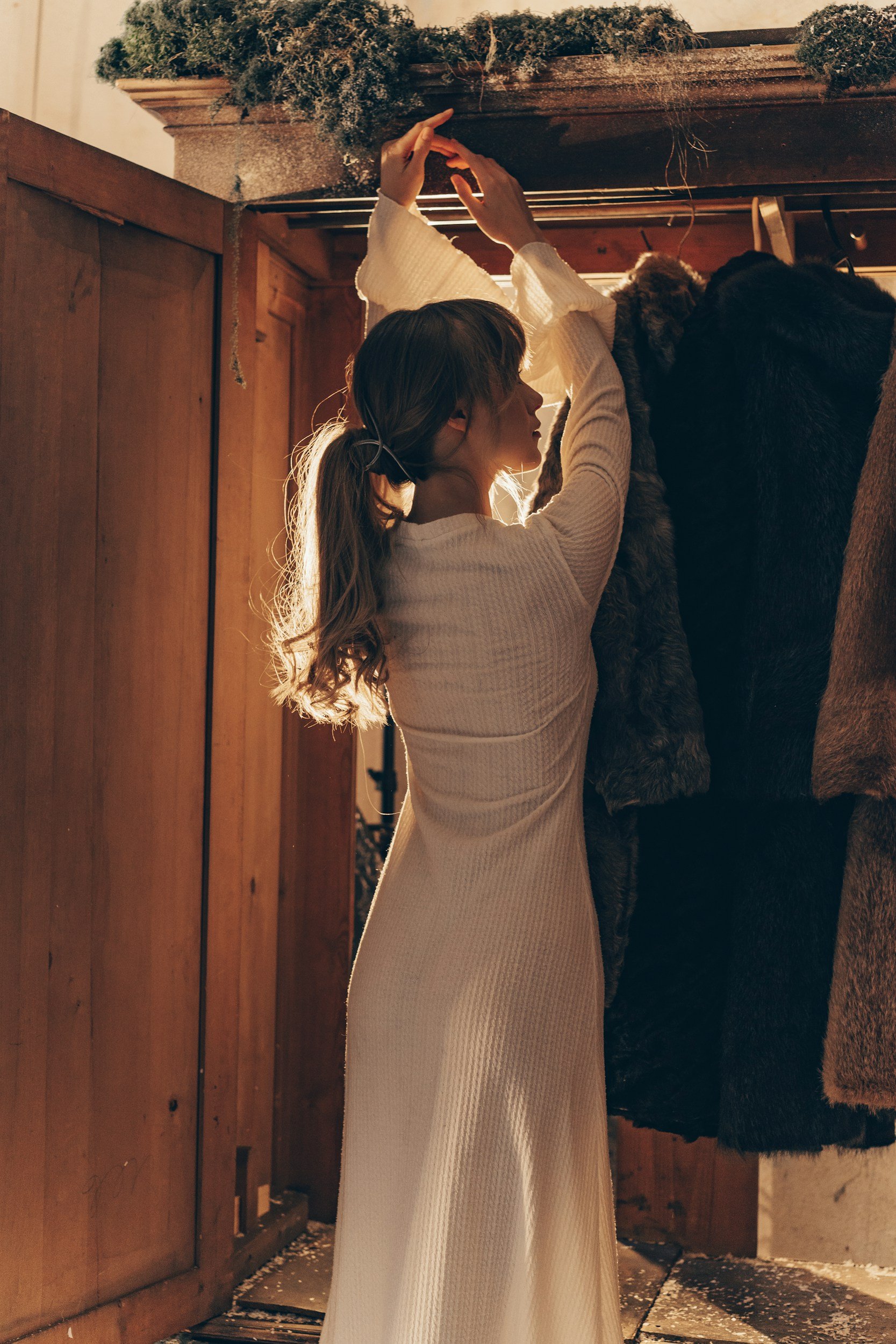
There is a strange kind of confidence that comes from putting on an outfit for a life you don't have yet. The blazer bought for the job you hope to get. The dress saved for the version of yourself who goes to an echelon dinner on Thursday nights. The perfectly structured bag that somehow makes you feel like you have your life together, even though that could be further from the truth. We like to think we get dressed based on who we are, but sometimes it feels more accurate to say we get dressed based on who we are trying to become.
More Than Just an Aesthetic
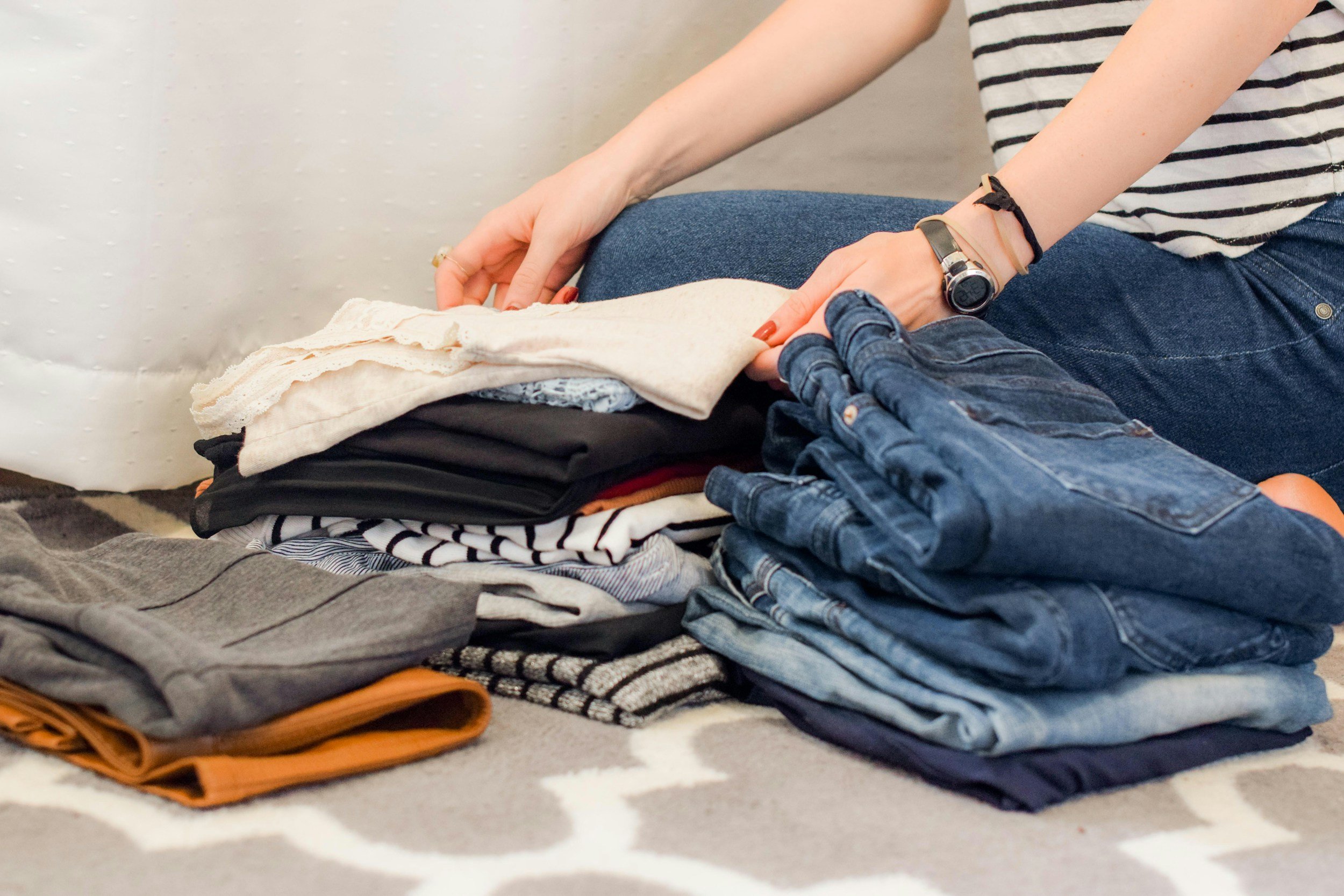
Maybe that is why aesthetics have become so much more than clothes. The clean girl, the It Girl, the romantic, the academic, the downtown aesthetic, each one offers more than a colour palette or a list of what should be hanging from your wardrobe. They offer the idea of a pretentious life. And in a world where we can scroll through someone else's morning routine, apartment, career, friendships, and wardrobe before even brushing our teeth, it has become easier than ever to imagine that life as our own. Fashion has always allowed us to reinvent ourselves, but now we aren't just dressing for the person we want to be. We are dressing for a version of a life we have not lived yet.
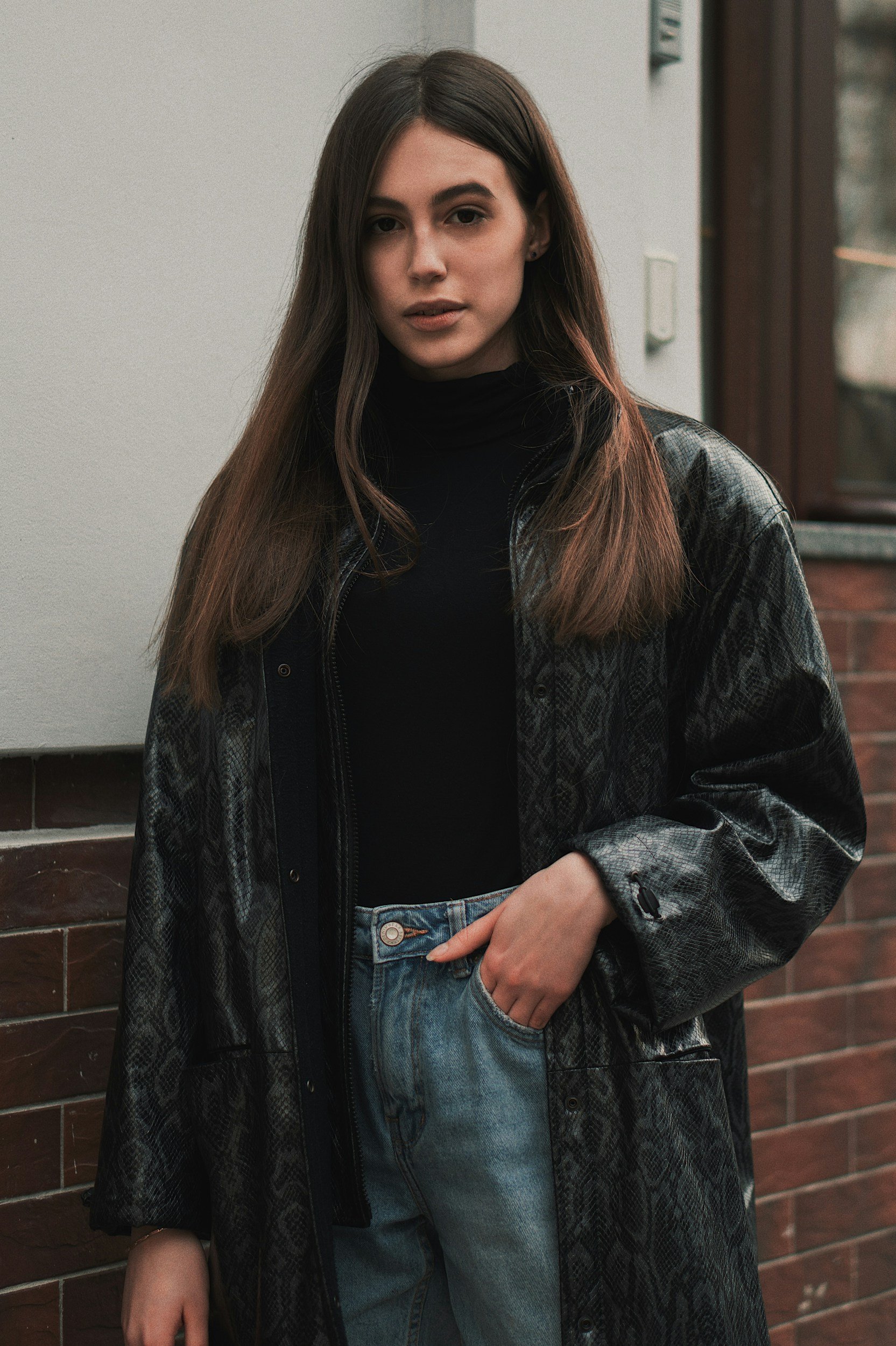
An aesthetic works because it gives us an immediate shortcut. Instead of having to explicitly define who we are from scratch, we can borrow the visual language of someone we want to become. A leather jacket can feel rebellious. A ballet flat can feel feminine. A button-down and a pair of glasses can make someone feel more intellectual, even if they woke up 30 minutes late and are now drowning in the depths of procrastination. None of these things actually change who we are, but they can change how we see ourselves, even if it's just for a moment.
The Life Behind the Clothes
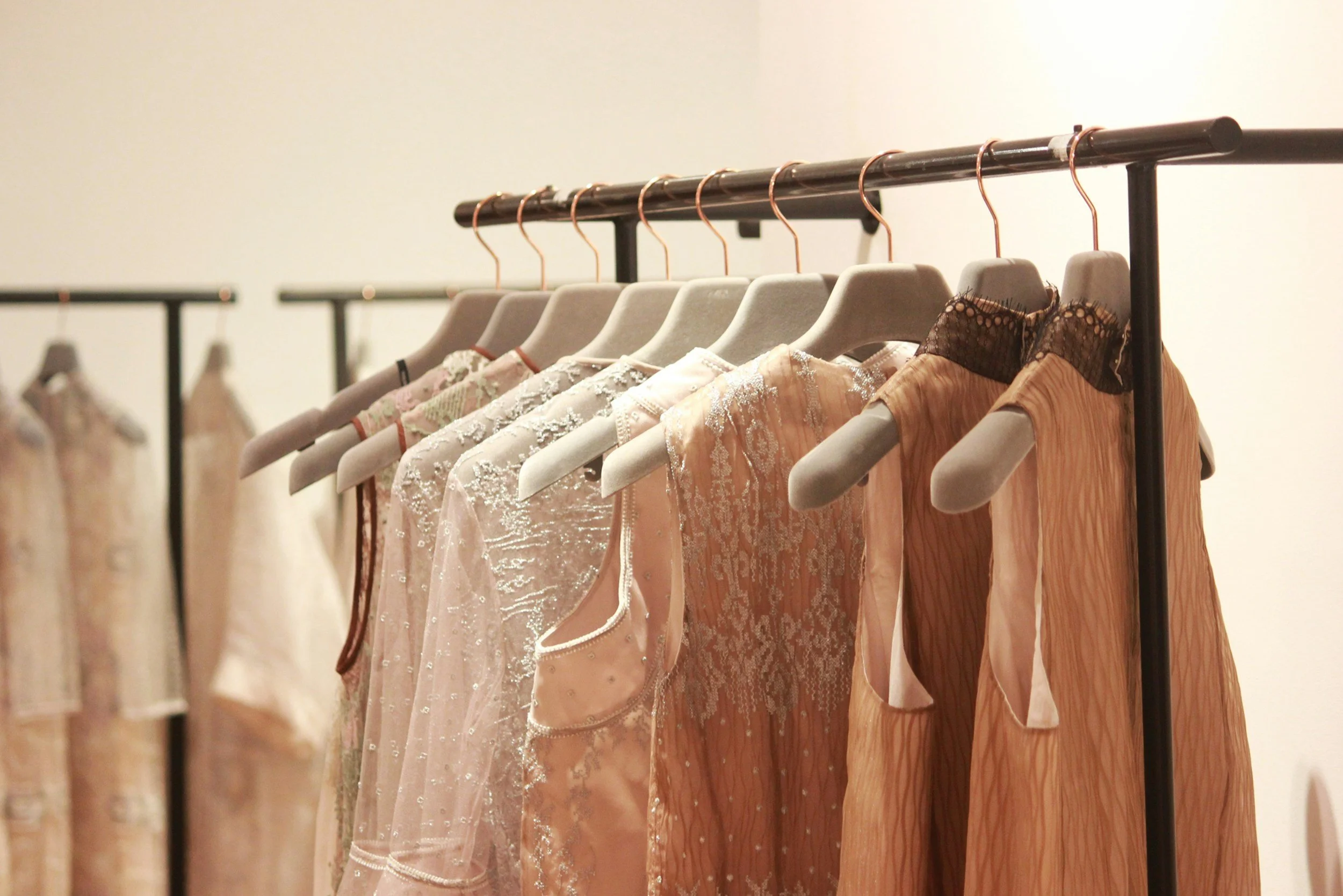
That is what makes the rise of aesthetics so interesting. Aesthetics are often dismissed as shallow trends that fill the emptiness of our everyday lives, but there is something much deeper hiding underneath the Pinterest boards. When someone becomes obsessed with the idea of being a “downtown girl,” for example, they are not necessarily just interested in a certain pair of jeans or a specific shade of lipstick. It's the independence, creativity, and confidence that the aesthetic presents that draws the person in. Buying and wearing the clothes merely add to the feeling.
Dressing for a future version of yourself is hardly exclusive to the younger audience on social media. Most of us have done it, even if we have never called it an aesthetic. We dress differently for a first day at a new job, a move to a new city, a first date, or even just a new stage of our lives. There is something about a change in circumstance that makes us want our outside to catch up with our inside. Sometimes that means bringing more sophisticated clothes, cutting our hair, or finally wearing the pieces we had convinced ourselves were “too much.”
When Inspiration Becomes Imitation
The difference now is that we have an endless supply of inspiration telling us exactly what that future self could look like. Instead of simply imagining who we might become, we can search for it. No longer do we have to map everything out in our heads when we can map our new apartment on Pinterest, find outfits on Instagram, and watch morning routines on TikTok. We slowly begin to build our surroundings around the aesthetics we are drawn to, blending pieces of our old identity with the new one we strive to exude.
Having a blueprint for who we want to become can be comforting. The problem is that it can become difficult to tell where inspiration ends, and imitation begins. When every version of a life comes with its own colour palette, wardrobe, apartment, and morning routine, it is easy to mistake looking the part for actually becoming the person we imagined. We can spend so much time perfecting the image of our lives that we forget to ask whether the life underneath it is actually ours.
On the contrary, this doesn't make the process fake. Reinvention has always involved trying on different versions of ourselves. Clothes give us the confidence to walk into a room with our heads up and shoulders back rather than disappearing into a world of multiples. Maybe the desire to look like a different version of ourselves is not always about pretending. Maybe the ability to walk into a room feeling different makes others feel different as well. Maybe believing that you are the person you want to become improves your mindset. Maybe pretending isn't bad; it's a way to project who you want to be even if you aren't fully there yet.
The Outside Can Lead the Inside
Perhaps we have been looking at the idea of “dressing for the life you want” completely and utterly wrong. We treat it as though there is a correct order: become the person, then find the clothes, the makeup, etc. In reality, the two can happen at the same time. We put on the blazer before we get the job. We wear the dress before we indulge in lavish foods. We carry the bag before we feel like the person who owns it. Sometimes the outside is what gives the inside permission to catch up.
A life does not suddenly change because of an outfit, and a new identity cannot be bought in a store. Still, there is true power in seeing a version of yourself before anyone else does. The life we have not lived yet may be nothing more than an idea, but ideas have to start somewhere. Maybe the line between pretending and becoming was never as clear as we thought.
