
Organise the Home You Actually Live In
By Caroline Caron Dhaouadi, Founder of Homefulness
Almost nobody calls us because their shelves are badly arranged. They call because the school run starts with a search for a PE kit. Because the spare room has quietly become the place things go to be forgotten. Because opening the wardrobe at seven in the morning sets a tone for the day that nobody chose.
After seven years and some 900 projects across UK homes, that is the pattern we see more than any other. Organisation gets talked about as an aesthetic problem, but it very rarely is. It is a decision problem.
A disorganised house asks you to make dozens of small decisions before nine o'clock, and you make them while tired, in poor light, with someone asking where their shoes are. So here is what we would do at Homefulness, roughly in the order we would do it.
Start Where the Day Starts
There are three places we tackle first: the entrance, the wardrobe and the kitchen counter.
The entrance is the last thing you touch on the way out and the first thing you meet on the way in. If it is chaotic, your day is bracketed by chaos. It does not need a boot room. It needs one hook per person, at a height they can actually reach; somewhere for bags to land that is not the floor; and one obvious home for keys that is not a bowl containing four years of receipts.
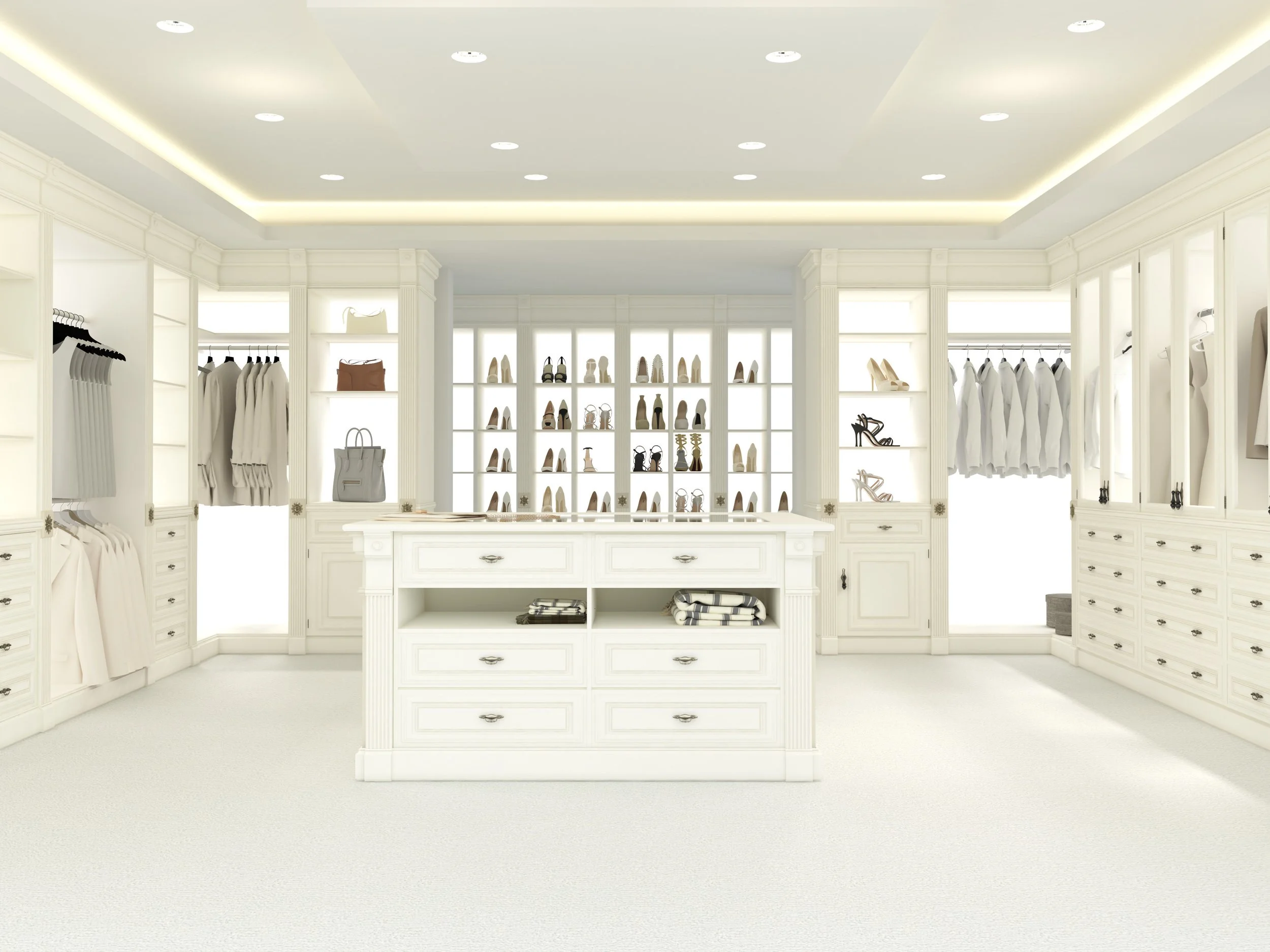
Then look at the wardrobe. If you cannot see what you own, you will wear the same six things and slowly buy more of the same six things. Keep the things you want to wear most within easy reach and in view. Everything else can go higher, lower or elsewhere. The aim is not a perfect wardrobe. It is making getting dressed require less thought.
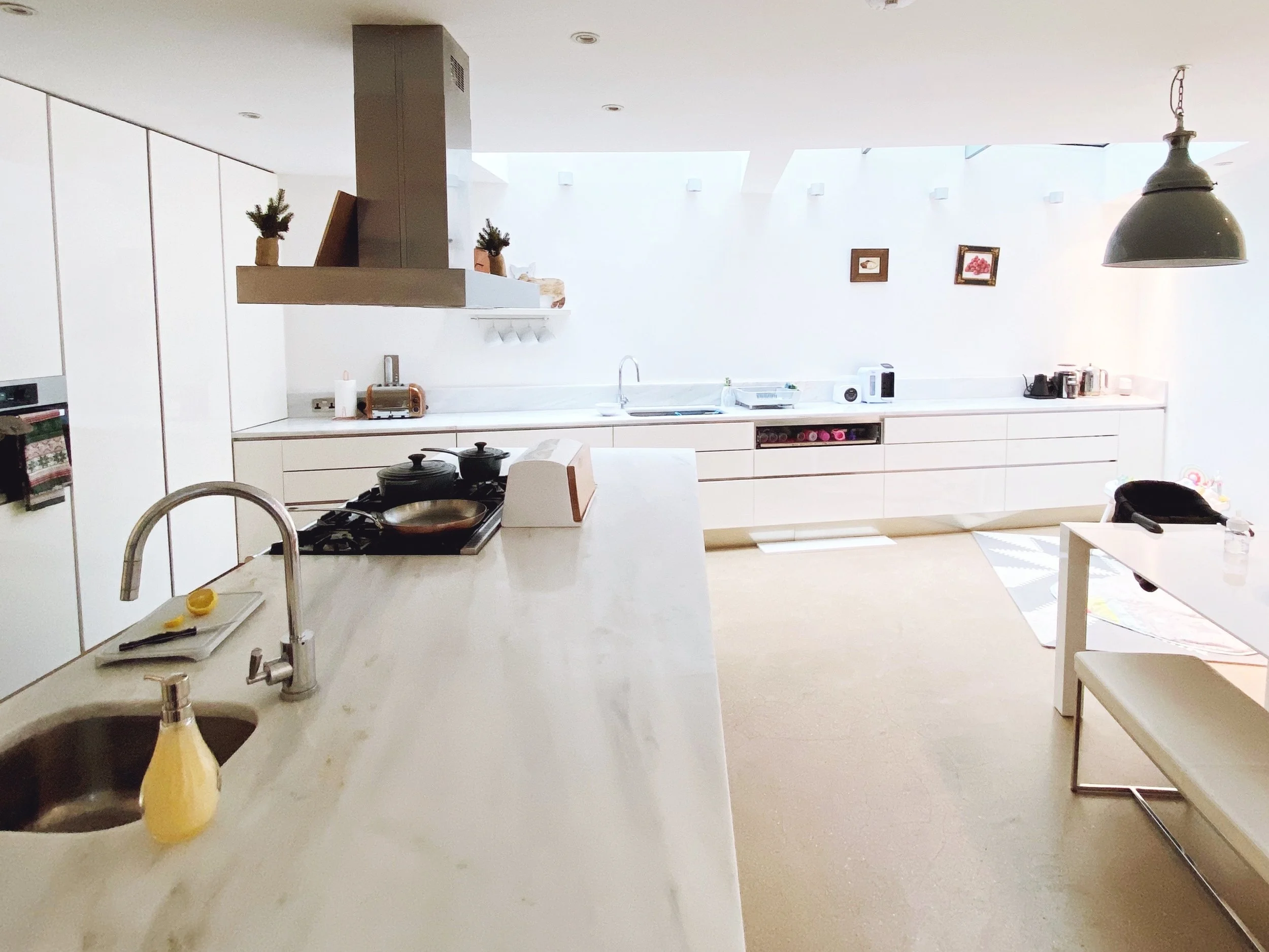
Then clear the kitchen counter. Flat surfaces are magnetic, and a clear one is not a styling decision. It is the difference between cooking on a Tuesday feeling possible and feeling like a project.
Give Everything One Home - and Make That Home Obvious
“A place for everything” is the oldest organising advice there is, and it fails constantly because people stop at the first half. The place has to be guessable by everyone else in the house.
Our test is simple: could someone who does not usually put the shopping away do it correctly, without opening three cupboards or asking? If not, the system belongs to one person, and it is likely to collapse the first week they are away. That often means storing things according to the moment you reach for them rather than strictly by category. Breakfast things together, even if that means cereal sits near bowls and coffee. School things together. Chargers, adapters and cables that migrate around the house given one home, and only one.
Labels can help too, particularly where two people might otherwise have different ideas about where something belongs. The purpose is not to make the cupboards look organised. It is to remove a decision that would otherwise be made again and again.
Make Peace with the Things You Cannot Decide About
Every home has them, and every honest client admits it within about twenty minutes. Indecision is often treated as a failure of willpower. Usually, it is missing information. You cannot decide about the dress because you do not know whether it still fits. You cannot decide about the fourth roasting tin because you have never seen all four in the same place at the same time. Put like with like and many of these decisions make themselves.
For the genuine hold-outs, give them a box. Date it, put it somewhere out of the way but still in the house, and look again in six months. You may find that you have not thought about most of it once.
And never start with the sentimental things. Start with towels, the cleaning cupboard or the cable drawer. Get some easy decisions behind you before you tackle the hard ones.
Build In the Reset
Every organised home starts to unravel. That is not a sign the system has failed. It is what happens when people live in a house. The answer is to build the reset into the system from the beginning.
Ten minutes, at the same point each day, with everyone in the house taking part. It is not tidying. It is specifically putting back the things that left their home that day. That is a much smaller and less depressing job. The other half of the reset is controlling the things that multiply on their own: mugs, tote bags, children's artwork, black leggings. Decide what a reasonable number looks like and hold the line at the point of entry.
Nothing you organise stays organised if the inflow is unlimited.
The Actual Measure
An organised home is not one that photographs well. It is one where the people living in it can find what they need, put things away without having to think about it, and stop beginning the day with a search. It is a smaller ambition than most organising advice offers. We are not trying to create houses that look untouched. We are trying to create homes that work (and making them beautiful along the way doesn’t hurt).
The best system is not the cleverest one, or the prettiest one. It is the one that still works on a Tuesday morning when everyone is tired, the PE kit is missing and someone has left their shoes in the kitchen. That is when you know you have organised the home you actually live in.
For more information: https://www.homefulness.co.uk/
