
Three health experts share the pre and postnatal wellness advice you should ignore (and what to do instead)
With an abundance of pre and postnatal wellbeing advice on the internet, separating fact from fiction can feel tricky, and finding find trustworthy experts who are specifically trained in this area can be confusing.
To help set the record straight once and for all, we tracked down three pre and postnatal trained wellness experts to help debunk myths around pregnancy wellness. They confirm the pre and postnatal advice you should ignore, and give tips on what to do instead.
“Pregnancy yoga strengthens your body in a gentle, low impact way, which can help avoid injury”
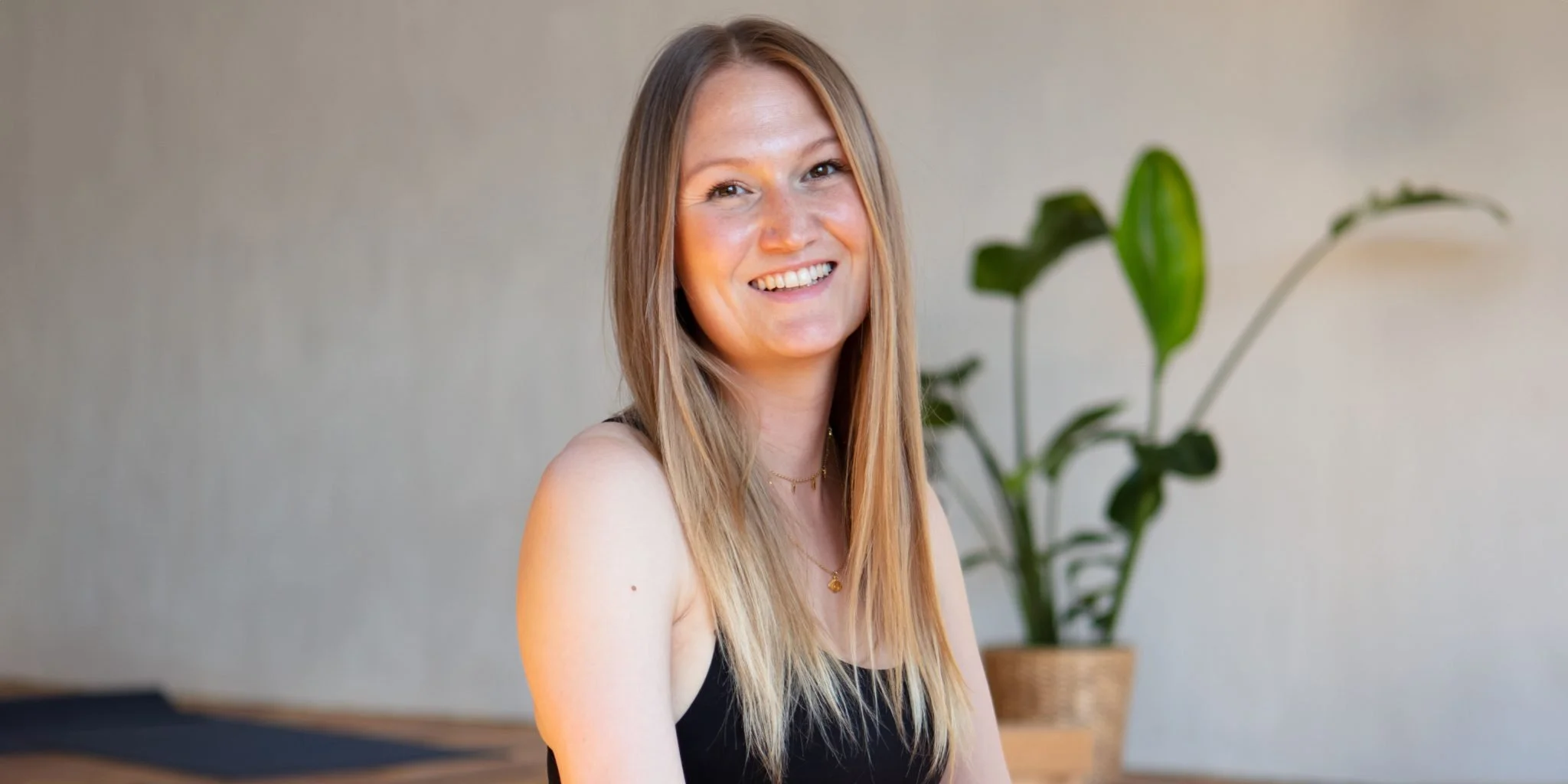
Indi Mountain is a pre and postnatal yoga teacher at Yoga Birth & Beyond. Indi teaches both private and group hypnobirthing classes, and runs a specialised pre and postnatal yoga studio. Indi advises:
1. The pre and postnatal yoga myth to ignore: Something I regularly hear is to avoid all core work pre and postnatally. Of course, you want to be careful, and should avoid certain poses that work your rectus abdominis (as this is the part of the abdominal wall that separates during pregnancy), but core work can actually be very beneficial in building strength, improving posture and when done properly can actually help draw your muscles walls back together postnatally.
2. Do this instead: Use your breath during pre and postnatal yoga, it is so much more beneficial than many of us realise. Prenatally, a calm and strong connection with your breath helps promote the flow of oxytocin through your body, which is the hormone that can help guide you towards spontaneous labour. The breath is also one of the best ways to tone your pelvic floor muscles through deep diaphragmatic breathing, a fantastic breath to practice postnatally as it lengthens your pelvic floor muscles and helps regain stability.
3. Benefits of doing yoga while pregnant and how often: With so many new aches and pains in your body, prenatal yoga helps to stretch these out and release tension. Pregnancy yoga strengthens your body in a gentle, low impact way, which can help avoid injury. Yoga calms your mind and can help you learn to accept all of the changes taking place in your body. It is entirely up to you how often you practice, but I would definitely suggest fitting in a couple prenatal yoga classes a week.
4. Yoga poses to avoid: Deep backbends are best avoided prenatally and early in the postnatal period thanks to an already growing amount of pressure on the lower back during pregnancy, mixed in with an increase of relaxing, which softens the muscles, joints, and ligaments in preparation for childbirth. The lower back can already feel a little tender, so we want to avoid putting any excess strain on it, as well as avoiding poses which could over stretch the abdominal wall as it separates in pregnancy, and knits back together in the postnatal period.
“Exercising whilst pregnant is safe…even if you are a beginner”
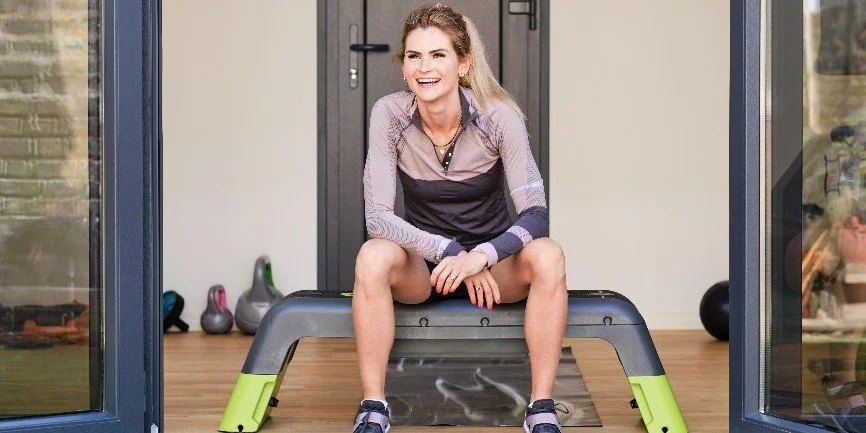
Sarah Brooke is a is a pre and postnatal personal trainer at Strong Women with Sarah. Sarah inspires and coaches women to achieve all types of health and fitness goals, she advises:
1. The pre and postnatal exercise myth to ignore: One of the biggest myths I hear is that exercising during pregnancy is unsafe, particularly if you were not regularly exercising before becoming pregnant. This is untrue! Exercising whilst pregnant is safe and can be extremely beneficial if you follow a prenatal-safe programme and listen to your body at all times. There are many types of pregnancy-safe exercises such as walking, swimming, yoga, body weight exercises, using weights (keep them light and aim for more reps), and jogging. All of these can be included in your prenatal routine, even if you are a beginner.
2. Do this instead: Focus on strengthening your pelvic floor muscles during pregnancy, as this is beneficial in reducing the risk of postnatal issues such as urinary incontinence or pelvic floor prolapse.
3. Benefits of doing exercise while pregnant and how often: Exercising during pregnancy has so many benefits, including maintaining a healthy weight, preparing your body for labour, reducing back pain, alleviating constipation, and strengthening your heart and blood vessels. I recommend trying to fit in several exercise sessions per week, and if you are busy, remember, short sessions are still valuable.
4. Exercises to avoid: Avoid exercises that involve lying on your back as this can restrict blood flow to your uterus, exercises that risk knocking your bump, and exercises that increase your risk of overheating such as hot yoga or HIIT.
“Deep abdominal breathing is the first step to reconnecting with your core”

Natasha Kumar is a pre and postnatal Pilates teacher at N Pilates London, she has ten years teaching experience and helps her students to strengthen from the inside out. Natasha advises:
1. The pre and postnatal Pilates myth to ignore: The biggest Pilates myth to ignore is that you must have done Pilates before in order to practice while pregnant. Even if you have not done any Pilates previously, starting during pregnancy is not a problem provided you work with a pre and postnatal trained teacher.
2. Do this instead: Learn about breathwork as it is a big component of pre and postnatal Pilates. Learning to synchronise your breath with your movement will help you to control the Pilates exercises at a time when your body is rapidly changing and your proprioception is compromised. When it comes to giving birth, a familiarity with ‘breathing the body’ is hugely beneficial. Then postnatally, deep abdominal breathing is the first step to reconnecting with your core.
3. Benefits of doing Pilates while pregnant and how often: Pilates will help prepare your body for birth and I recommend twice weekly classes, with plenty of stretching and breathwork in between. That said, you cannot do too much Pilates!
4. Pilates exercises to avoid: From around 16 weeks, which is the time your bump will start to show, avoid doing a lot of the classical Pilates core work: Curl ups, The Hundred, Plank, Teaser etc. due to the strain it puts on your abdominal wall and pelvic floor at a time when these areas already have pressure from within.
