
Winter Grooming for Men: What Cold Weather Really Does to Your Hair and Skin
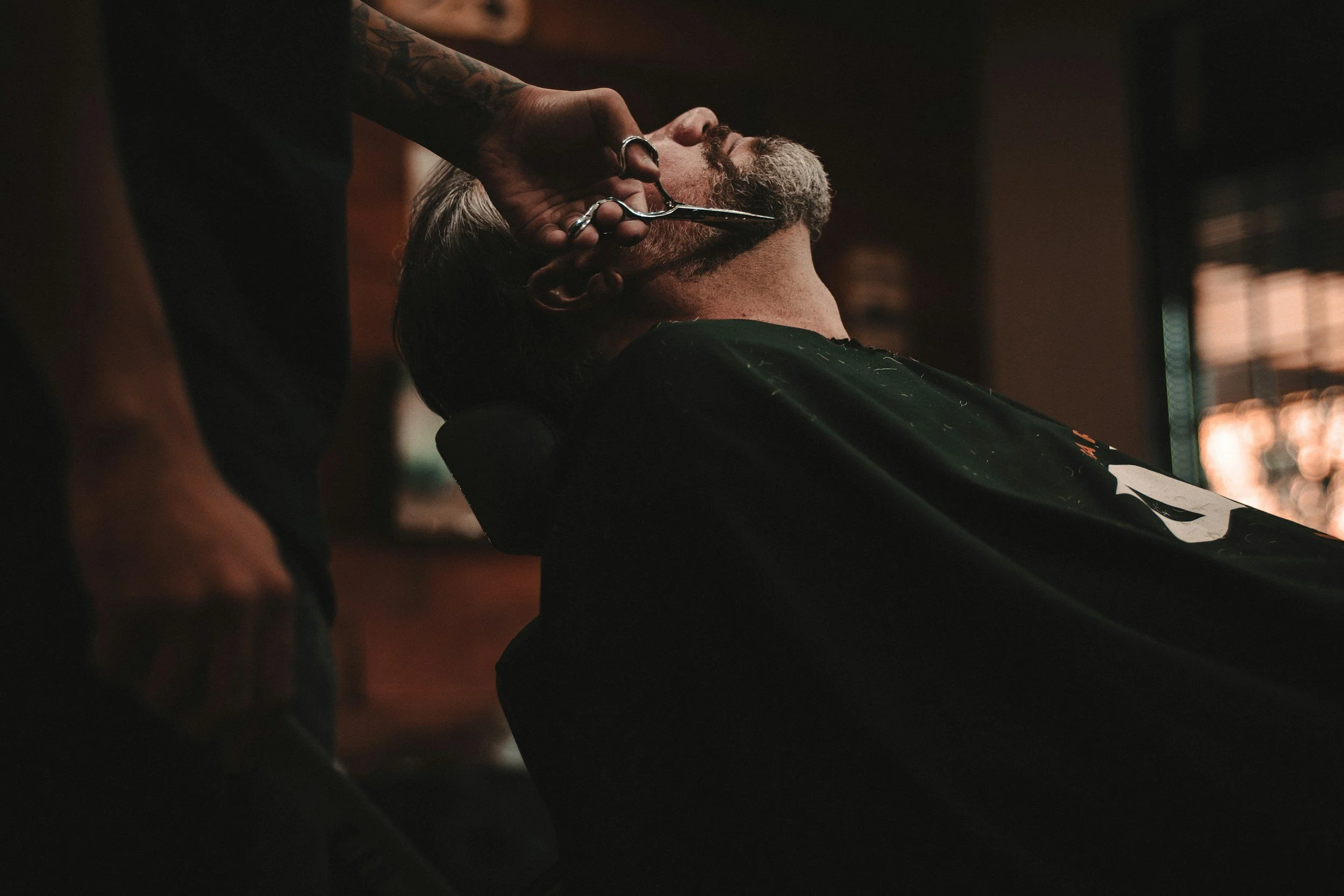
From dry hair and irritated skin to winter beards, hot showers and the truth about wet hair; Guray Kesman of Kesman Male Grooming shares what men should actually be doing differently when temperatures drop
Winter can be tough on your grooming routine. Cold outdoor air, central heating, hot showers, hats and changing humidity can all affect the way your hair and skin look and feel, but how much of what we believe about winter grooming is actually true? Can going outside with wet hair really make you ill? Does wearing a hat damage your hair? Should you wash your hair less often in winter? And does growing a beard genuinely help keep your face warm?

Guray Kesman, founder of Kesman Male Grooming
We spoke to Guray Kesman, founder of Kesman Male Grooming, to separate winter grooming fact from fiction and find out how men can adapt their hair and skincare routines as temperatures drop. From scalp health and shaving to steam treatments, beards and year-round SPF, here’s his expert advice on looking after your hair and skin throughout the colder months.
Does cold weather actually dry your hair out?
Not quite in the way people think. Cold air itself isn't simply sucking the moisture out of your hair, but winter creates an environment where hair can become much drier. You're constantly moving between cold outdoor air and warm, heated rooms, while also taking hotter showers and potentially wearing hats more frequently. It's the combination of all of those things that can leave hair feeling drier, rougher or more brittle. If you're noticing this, introduce a little more moisture into your routine rather than simply adding more styling product. Conditioning becomes particularly important for longer, thicker, curly or naturally dry hair.
Does central heating cause more problems than the cold itself?
It certainly can. We tend to blame everything on the weather outside, but we spend most of winter indoors. Central heating reduces humidity in the air and that can contribute to both hair and skin feeling drier. If your hair suddenly feels different once the heating goes on, don't automatically assume it's because it's cold outside. Your indoor environment could be playing just as big a part. If that's happening, look at your routine as a whole. Avoid over-washing, make sure you're conditioning properly and consider whether the products you're using are adding to the dryness.
Why does dandruff seem worse in winter?
There are a few things happening. A dry scalp can flake, but dandruff isn't simply another word for dry skin, they're different things and need to be treated differently. Winter can make existing scalp problems more noticeable because of changes in humidity, heating, hotter showers and even wearing hats. If you're suddenly seeing flakes, the important thing is understanding whether you're dealing with simple dryness or actual dandruff rather than treating everything in exactly the same way. If it's persistent or you're experiencing significant itching or irritation, that's something I'd recommend getting professional advice on.
Can you really catch a cold from going outside with wet hair?
No. It's one of those things most of us were told growing up, but having wet hair doesn't give you a cold - viruses do. I still wouldn't recommend leaving the house on a freezing morning with soaking wet hair, though. Wet hair is more vulnerable to mechanical damage and it's going to be much harder to keep your style looking good once you add wind, rain or a hat. Dry it properly before you leave, particularly if you're going to put a hat straight over it.
Does wearing a hat damage your hair?
Wearing a hat isn't going to make your hair fall out, which is something men sometimes worry about. The bigger issue is friction, flattening and putting pressure on a freshly styled shape. Very tight hats worn repeatedly can also be harder on the hair than something that fits properly. If you're wearing one every day, choose something that isn't excessively tight and don't overload the hair with product underneath it. Softer, textured styles and products that can be reworked with your fingers tend to be much more practical during winter.
Should men wash their hair less in winter?
Possibly, but there's no universal winter rule. Someone with very oily hair who trains every day has completely different needs to someone with thick, or curly hair. What I would say is that if your scalp feels tight and your hair feels noticeably drier during winter, daily shampooing is one of the first things I'd reassess. You don't necessarily need to shampoo simply because you've stepped into the shower. Try reducing how frequently you're washing it and see how your hair and scalp respond.
Is a really hot shower bad for your hair?
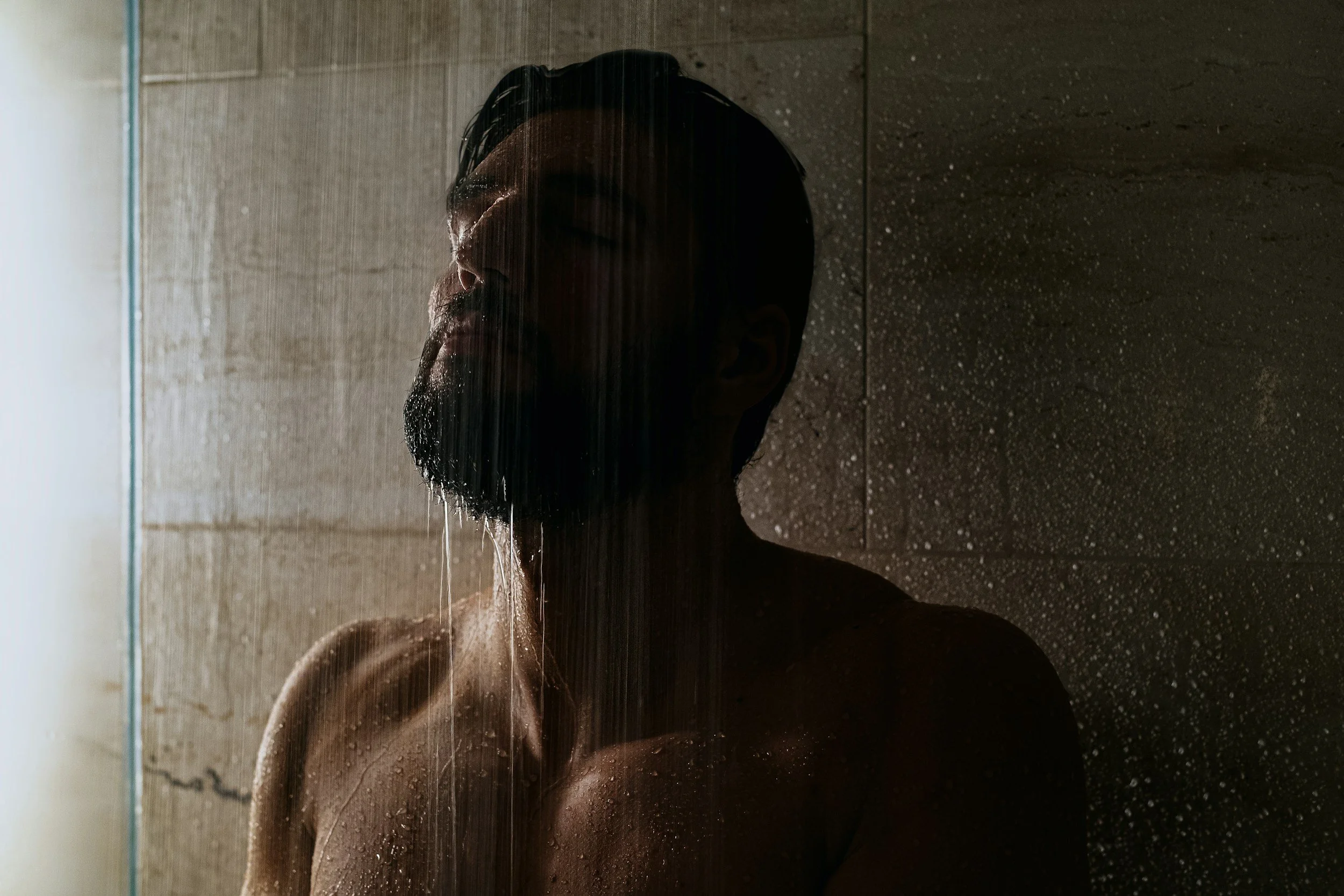
This is probably one winter habit I'd encourage most men to rethink. When it's freezing outside, turning the shower up as hot as possible feels great, but very hot water can strip away natural oils and exacerbate dryness. You don't need to start taking freezing showers, just bring the temperature down. Warm is absolutely fine, and your hair and scalp will thank you for it.
Does hair actually need different products in winter?
Not everyone needs an entirely new bathroom cabinet because the seasons have changed. But if your hair is behaving differently, your products should respond to that. You might find you need more conditioning or that the very matte, high-hold product you loved in summer is making already-dry winter hair feel even drier. Grooming should respond to your hair rather than following rigid rules. If something that worked perfectly in July isn't working in December, change it.
Is winter actually a good time to grow your hair?
It can be. Autumn and winter are often a great time to experiment with a little more length because softer, more textured hair works naturally with the season and you're not dealing with summer heat. The important thing is not to confuse growing your hair with simply not getting it cut. Regular maintenance around the shape, neckline and weight will make the difference between hair that looks deliberately longer and hair that just looks overdue a haircut.
Should men change the way they shave in winter?
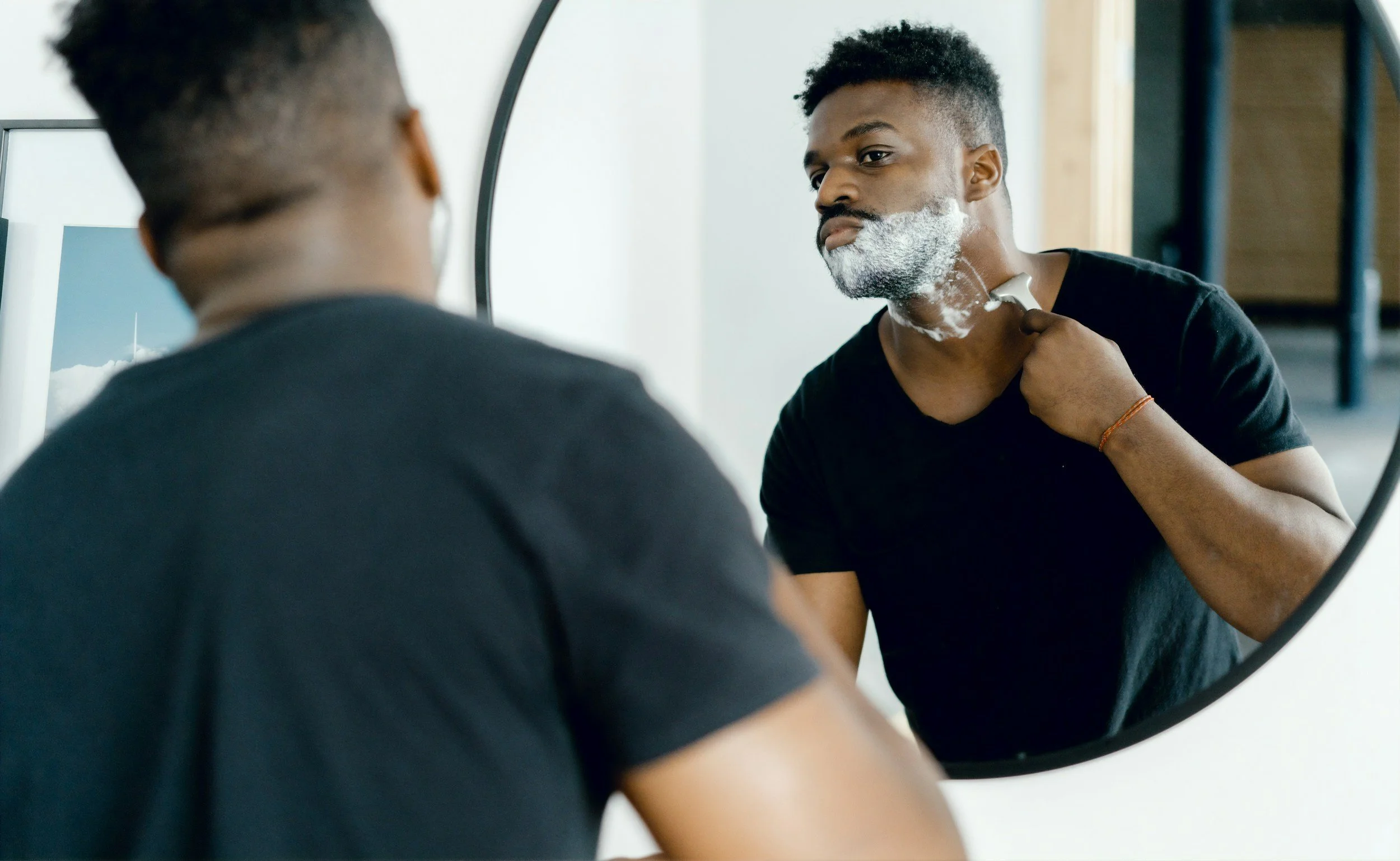
If your skin becomes drier or more sensitive in winter, shaving can make that irritation much more noticeable. Don't repeatedly drag a razor over dry or poorly prepared skin. Warm water, a proper shaving product and a sharp blade will make a huge difference. Afterwards, think about what you're putting back onto the skin. If your face feels tight or stings after shaving, that's telling you something. I'd avoid anything unnecessarily harsh and follow with moisture.
Should you shave less in winter?
If your skin becomes dry or sensitive in winter, shaving less frequently may help some men simply because you're reducing the amount of friction and irritation you're putting the skin through. But there's no rule that says you need to stop shaving when the temperature drops. If you do shave regularly, preparation becomes even more important. Soften the hair first, use a proper shaving product, don't repeatedly go over the same area and moisturise afterwards. If your skin is already feeling tight and dry, shaving aggressively is only going to make it feel worse.
Should you have more steam treatments in winter?
Not necessarily more. Winter skin can often feel drier and tighter, so the answer isn't to keep exposing it to lots of heat. Steam can be a useful part of a facial because it helps soften the skin and makes the cleansing and exfoliation process more comfortable, but it needs to be gentle rather than excessively hot. What becomes particularly important in winter is what you do afterwards. At Kesman, our express facial combines steam with exfoliation, a hot towel and finishes with a face massage and moisturiser. It's that complete process I'd focus on rather than thinking of steam alone as the treatment. If your skin is already very dry or sensitive, you need to treat it accordingly.
Does growing a beard actually keep your face warmer?
To an extent, yes, facial hair provides a little extra insulation between your skin and the outside air. But I wouldn't grow a beard purely as your winter weather protection! What is interesting is that a lot of men naturally prefer a slightly fuller beard in autumn and winter, and there's no reason not to embrace that. You can absolutely let it grow a little longer, but longer doesn't mean leaving it untouched. Keep the neckline and cheek lines tidy and regularly trim the overall shape. That's what makes the difference between a deliberately fuller winter beard and simply looking like you haven't shaved.
Do men still need SPF in winter?
Yes. SPF isn't only about hot weather or whether you can physically feel the sun on your face. UV exposure doesn't disappear because it's December or cloudy outside. If you're already using a daily facial moisturiser, choosing one with SPF can make this incredibly easy. It's one of those grooming habits that should really be year-round rather than something you put away at the end of summer.

Kesman Male Grooming
Kesman Male Grooming offers hair and skin treatments alongside traditional and contemporary barbering at its Victoria and Farringdon locations in London. For more information: https://kesmangrooming.com/
