
Seeing the Extraordinary in the Everyday
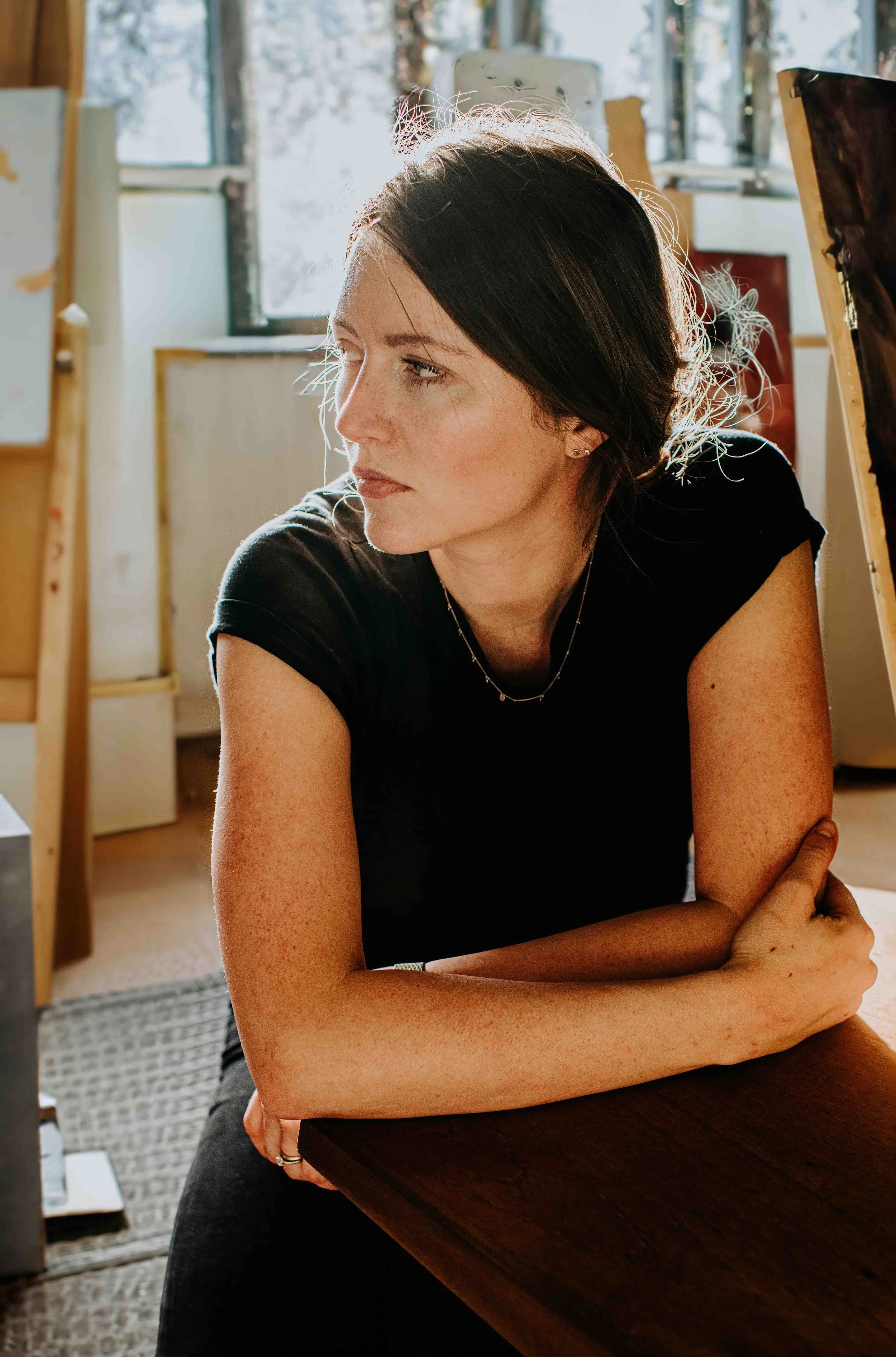
Catherine Falls
Professional lifestyle photographer Catherine Falls on cinematic storytelling, the beauty of natural light, and the places photography can take you
For Catherine Falls, photography has never simply been a career, it has been a way of seeing the world. From experimenting with cameras as a child to shooting lifestyle campaigns in some of the world’s most beautiful destinations, Catherine has developed a distinctive cinematic style that finds beauty in the everyday. Inspired as much by film, painting and illustration as photography itself, her work combines composition and beautiful light with a sense of curiosity and intrigue. Here, Catherine talks about finding her visual language, creating photographs that feel effortless, the destinations that have inspired her, and why the images that mean the most are often the most personal.
What first drew you to photography, and when did you realise it would become your career?
I’ve loved taking photographs and making little films for as long as I can remember. There’s old footage of me on Christmas morning taking my first little point-and-shoot camera out of my stocking, and my face just lights up. My father loved photography too, and photography formed part of his job, so he really encouraged that interest. Over the years he lent me all sorts of cameras and camcorders and basically gave me the freedom to experiment. It never really felt like a conscious decision to become a photographer - it was just something I had always done, and eventually it became my career.
How would you describe your photography to someone who has never seen your work?
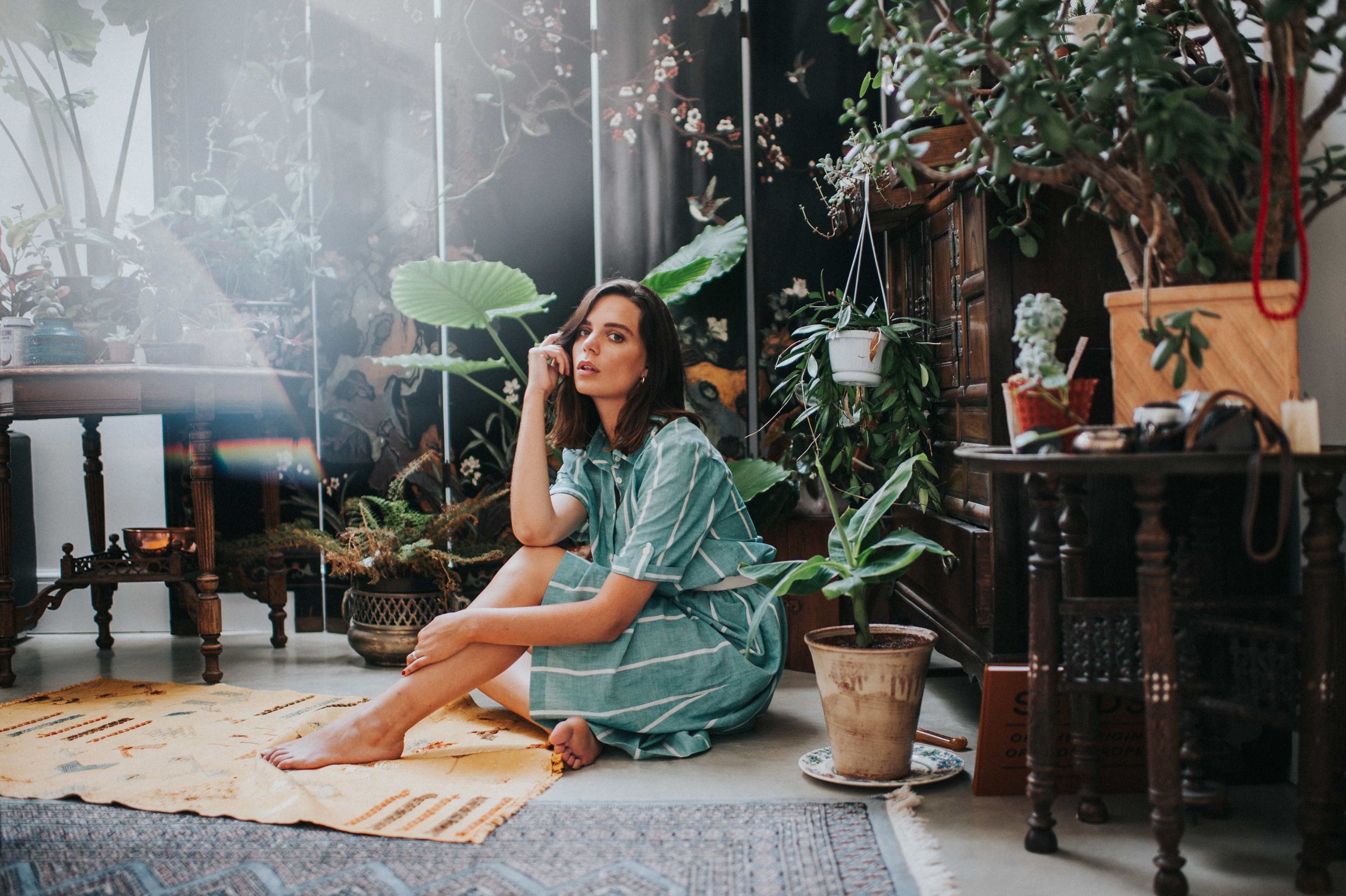
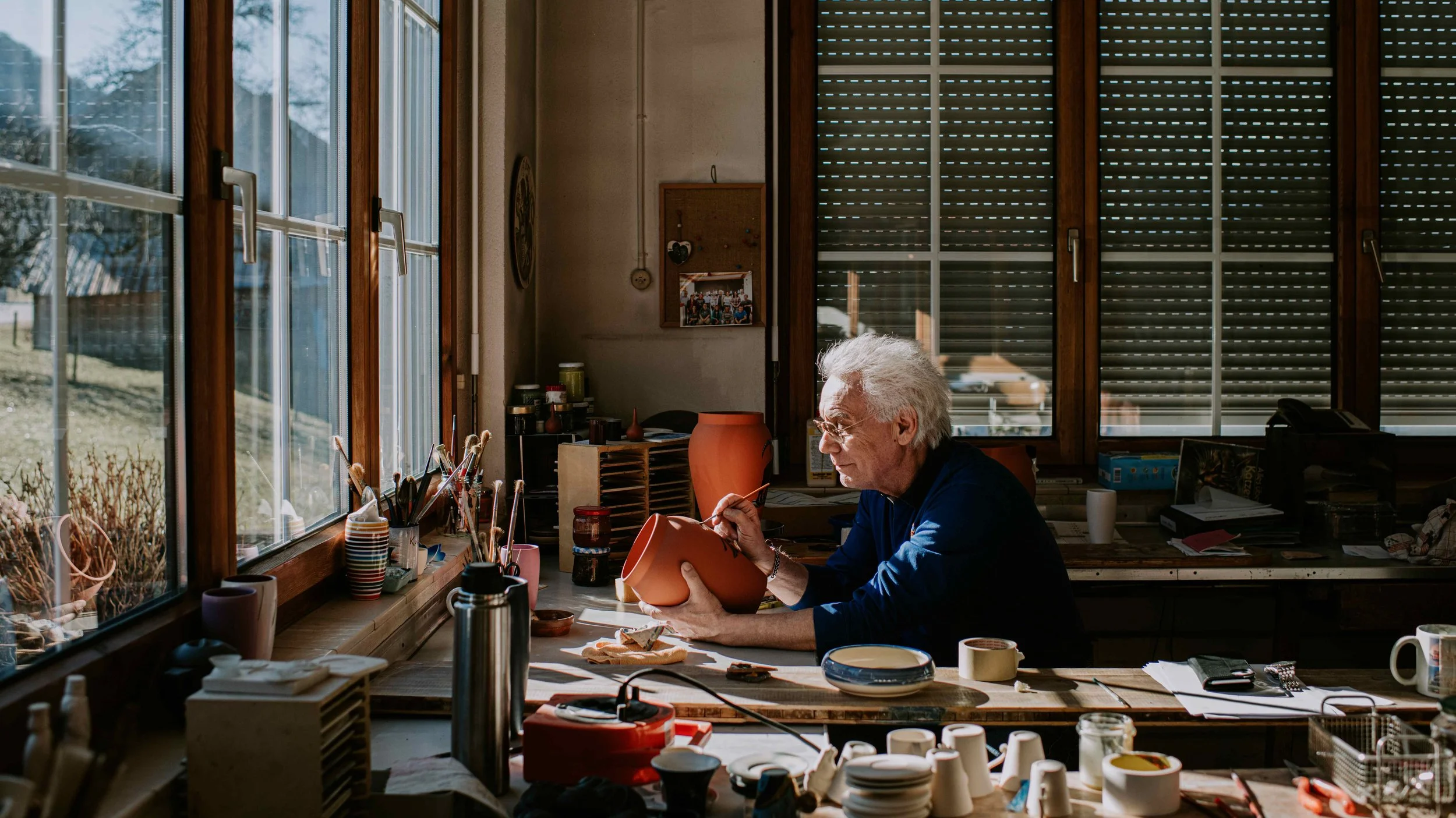
Cinematic lifestyle photography, I think. I love elevating normal, sometimes quite mundane moments through light and composition. I’m always trying to tell a story in a single image - something that feels beautiful and considered, but still believable.
Who or what has influenced your visual style the most?
My influences probably come as much from film, painting and illustration as they do from photography. I’ve always loved the extraordinary lighting in The Night of the Hunter, and Jan Švankmajer has influenced a lot of my personal aesthetic, particularly the way he can make something completely ordinary feel strange or surreal.
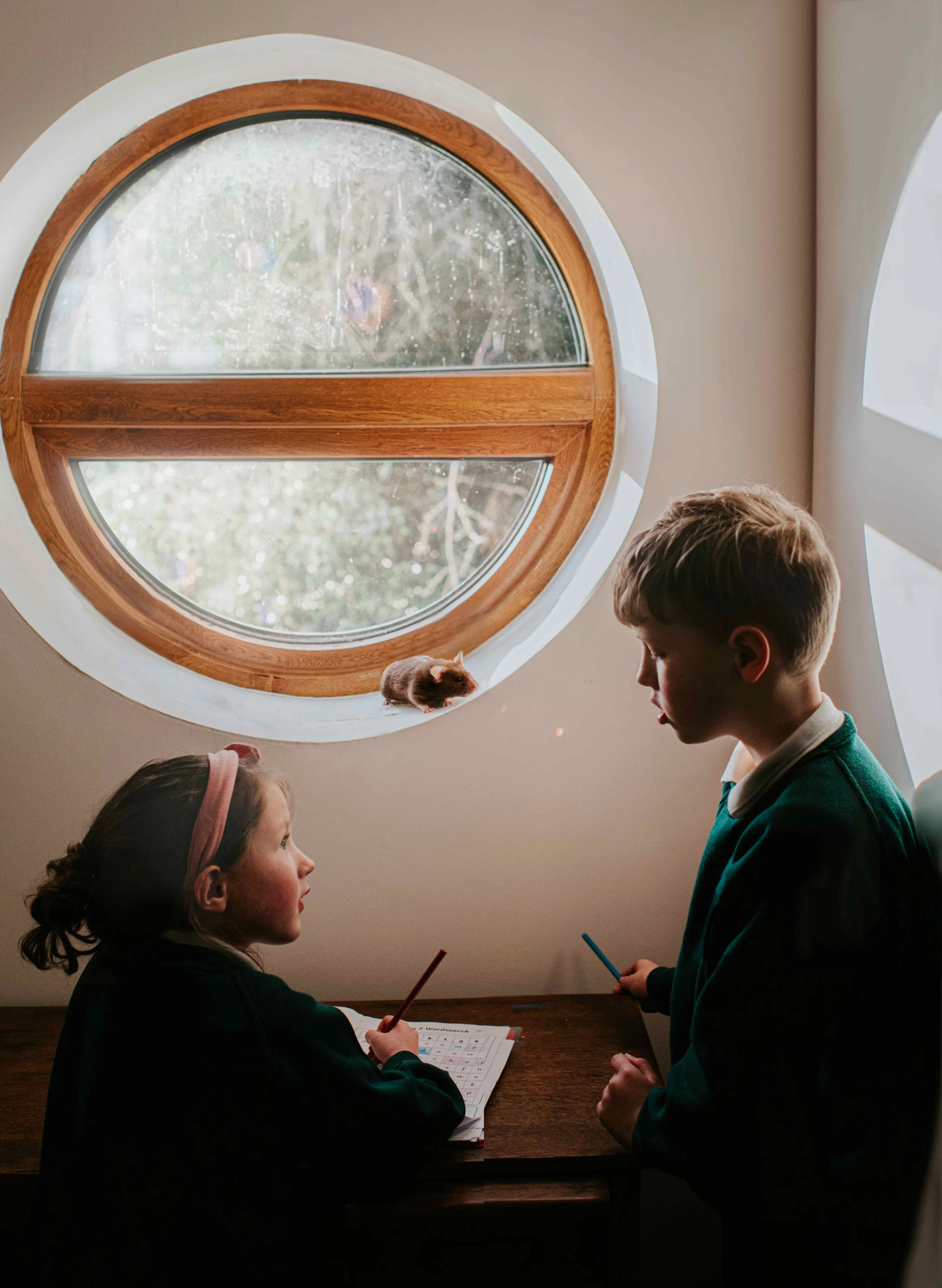
I adore Edward Hopper, especially his use of light and his ability to make an ordinary room, building or everyday scene feel cinematic. Anthony Browne has been another big influence. I love the surrealism in his illustrations, but particularly the way he hides tiny details and visual jokes throughout his work - things you might not notice on the first look, but suddenly discover when you return to the image. I’ve definitely been inspired to do the same in my own photographs. I love including small details in the frame that aren’t necessarily the main subject, but reward someone for looking a little longer.
I’m also really drawn to liminal spaces and what’s now described as the “backrooms” aesthetic - empty corridors, overlooked corners and places that feel completely familiar but somehow slightly off. I think all of that finds its way into my work: elevating the ordinary with light, but often with a little bit of strangeness underneath.

What does it take to create an image that looks effortless?
Ironically, either a lot of work or almost none at all. In my personal work, I’m often simply drawn towards whatever happens to be illuminated by wonderful natural light. Sometimes everything just falls into place.
On commissioned shoots, of course, you can’t wait around hoping that beautiful light will appear, so we create it. That apparently effortless photograph can actually involve an army of incredibly talented people - producers, art directors, lighting specialists, stylists, casting directors, prop stylists, models and assistants. When everyone is very good at what they do, all of that work disappears into the final image. Hopefully the viewer just sees a moment.
What do people misunderstand about being a professional photographer?
Perhaps that being a professional photographer means being able to photograph absolutely everything. Photography is an enormous field, and the skills involved in one area can be completely different from another. Someone who is brilliant at fashion photography won’t necessarily be brilliant at interiors, sport, food or documentary photography.
I think you eventually discover what you naturally see and what you’re particularly good at, and you develop that rather than trying to be everything. For me, that’s people, lifestyle, light and storytelling.
What makes an image stop someone from scrolling?
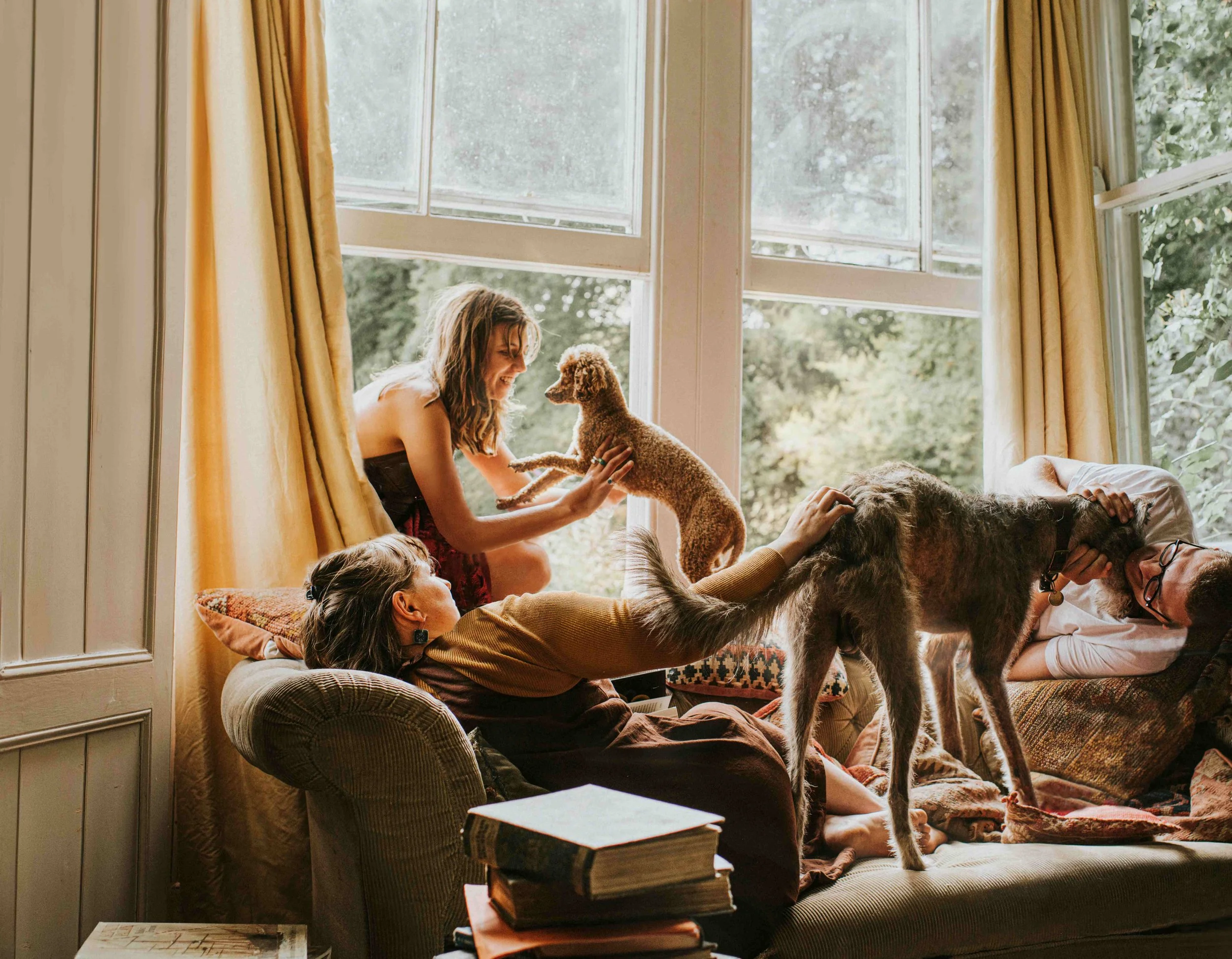
It’s rarely one thing. Interesting subject matter helps, obviously, but then it has to come together with composition, light, colour and timing. I think there also needs to be something that makes you curious - even if you can’t immediately explain what it is. The strongest photographs make you want to look for just a fraction longer.
Is there a destination that has completely changed your approach to photography?
I’ve been very lucky to photograph in lots of faraway places, but I’m not sure any one destination has completely changed the way I photograph. I tend to bring my own visual approach with me and then respond to what that particular place gives me - different light, landscapes, architecture, people and talent.
That’s part of what I love about travelling for work. The visual language remains mine, but the ingredients change completely.
What is the most beautiful place you have ever photographed?
Probably the Maldives. I’ve photographed there twice and it genuinely does feel like paradise. The colour of the water and the quality of the light are extraordinary. Turks and Caicos would be very high on the list too, and South Africa is incredibly beautiful in a completely different way. It’s difficult to choose just one, but the Maldives probably wins on sheer otherworldliness.
If you could take your camera anywhere in the world tomorrow, where would you go?
Somewhere snowy. I rather fancy Switzerland or Austria at the moment. I’d love that combination of crisp winter light, snow, mountains and beautiful architecture - and, of course, people going about ordinary life amongst all of it.
What is your favourite photograph you have ever taken and why?
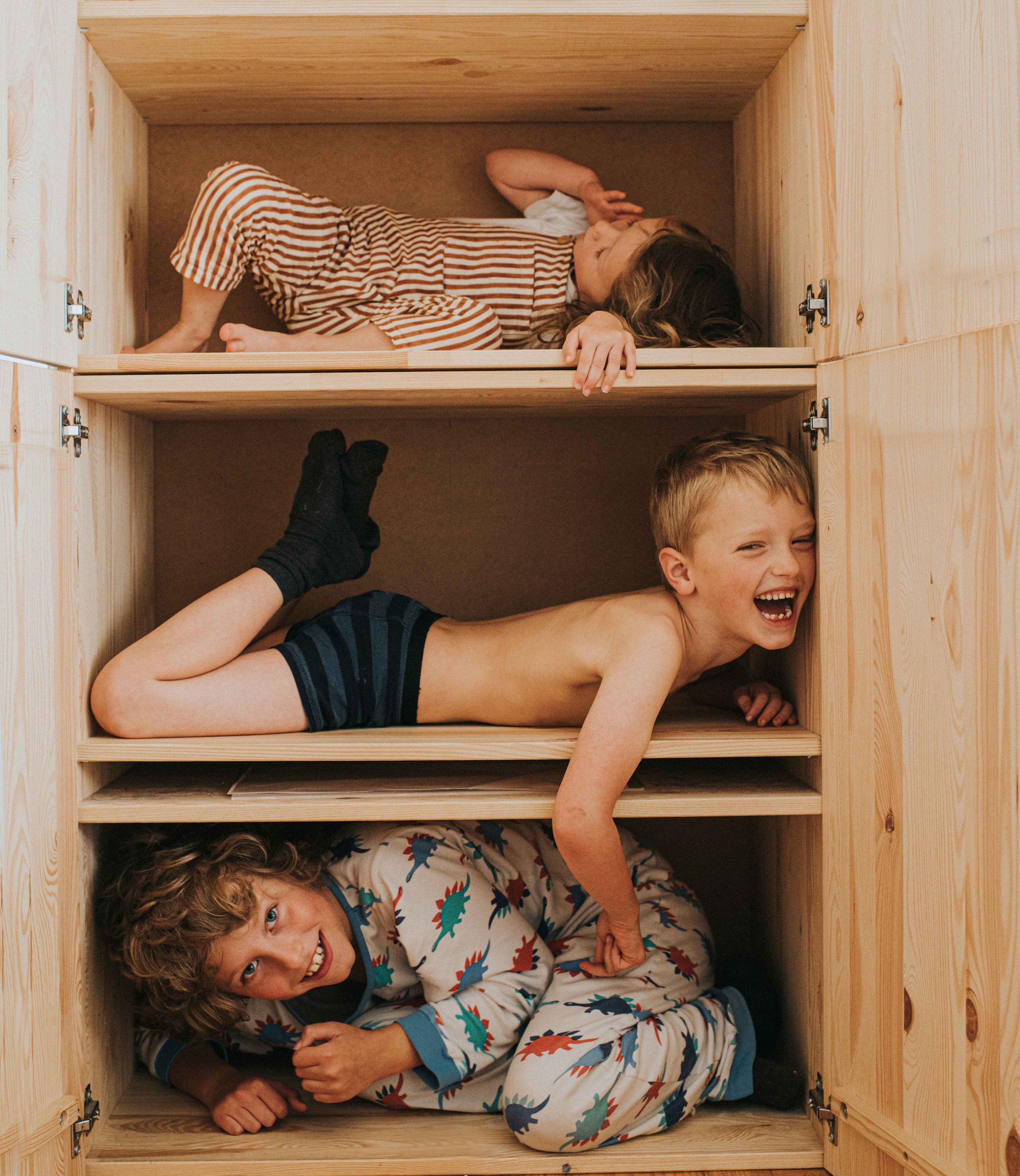
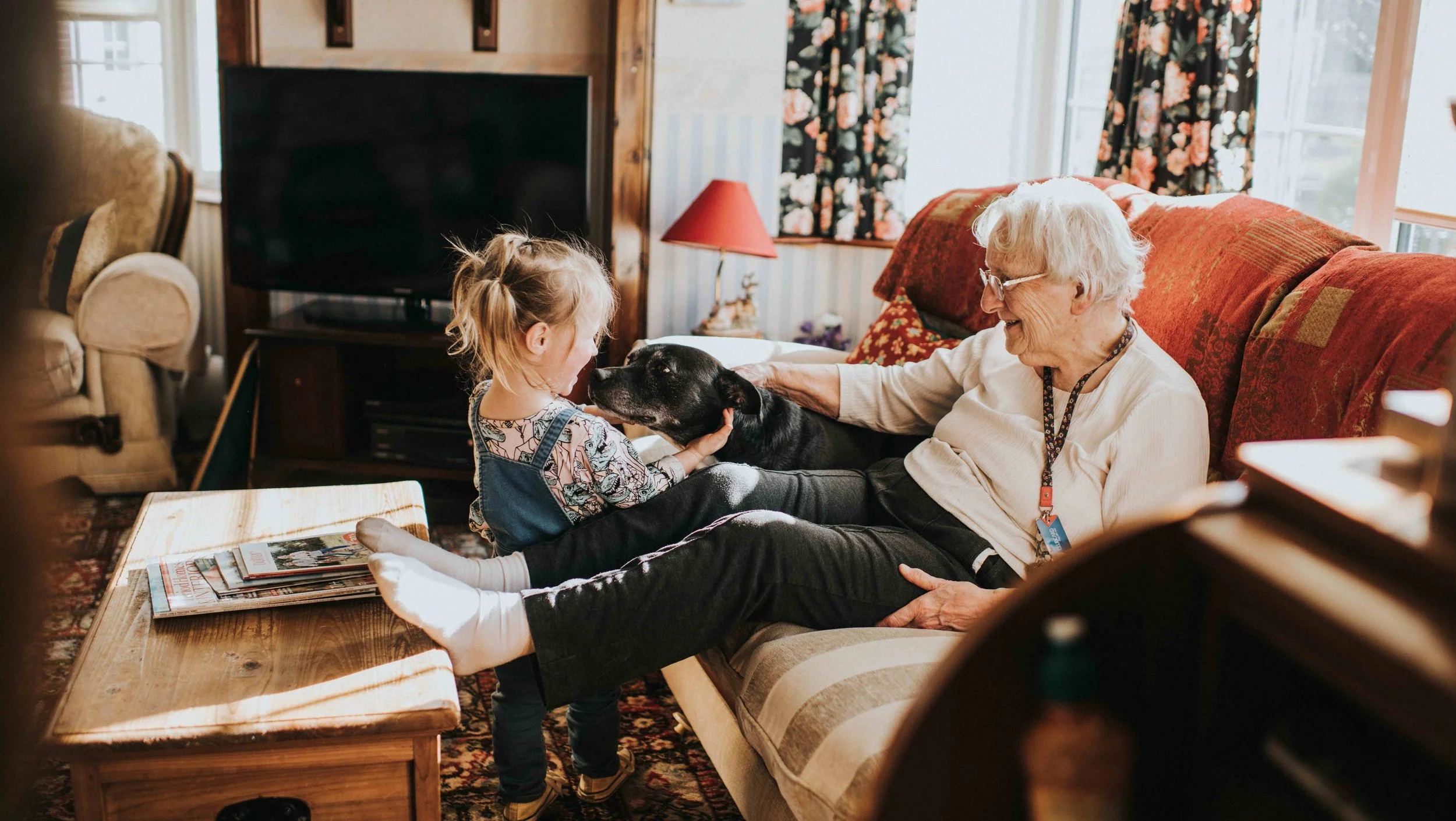
Most of my favourite photographs are actually personal ones — photographs of my children as they’ve grown up, and photographs of my grandparents, who have now passed away.
A photograph preserves a person, a place and a tiny moment in time. I enjoyed taking those photographs when they happened, but I couldn’t possibly have understood then how important some of them would become to me. The photographs of my children allow me to revisit all those different stages of their lives, while the photographs of my grandparents have become incredibly precious now that they’re no longer here.
I think that’s ultimately one of the things I love most about photography. You take a photograph in a fraction of a second without necessarily knowing how much it might mean to you years later.
Where is the most extraordinary place your work has taken you?
There have been so many that it’s difficult to choose. South Africa and Turks and Caicos immediately come to mind, and Liechtenstein was fascinating too.
But some of my strongest memories from travelling for photography aren’t necessarily of the locations themselves. They’re the teams I’ve met, the meals after a shoot, the conversations, and all the strange little experiences that happen around the actual job. Photography has given me an excuse to go to places I might never otherwise have visited and, more importantly, to spend time with people I would never otherwise have met. That has probably been the most extraordinary part of it.
For more information: https://www.catherinefallscommercial.com/
Follow Catherine on Instagram: https://www.instagram.com/catherinefalls
